
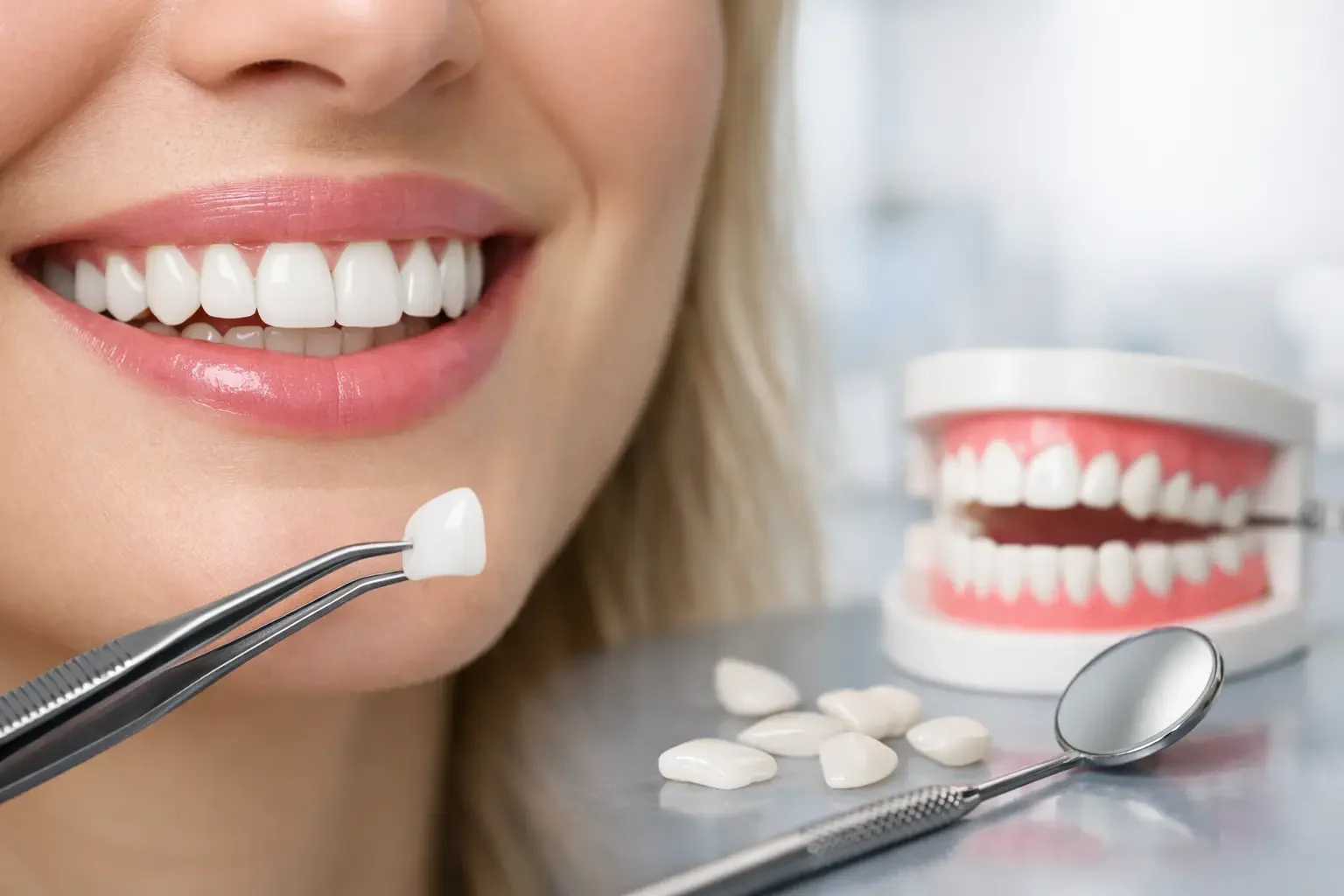
A bright, balanced smile can change how you feel in photos, meetings, and everyday conversations. But before choosing cosmetic treatment, many patients ask, are porcelain veneers permanent? The honest answer is nuanced: the veneers themselves are not designed to last forever, but the changes made to prepare your teeth are generally permanent.
That distinction matters. Porcelain veneers can deliver a beautiful, natural-looking result for many years, yet they are a long-term commitment that deserves careful planning with a dentist who understands both smile aesthetics and oral health.
Are Porcelain Veneers Permanent?
Porcelain veneers are thin, custom-crafted shells bonded to the front surfaces of teeth. They are often used to improve the appearance of teeth that are discolored, chipped, worn, unevenly shaped, slightly misaligned, or spaced apart.
To create room for a veneer that looks natural rather than bulky, the dentist typically removes a small amount of enamel from the front of the tooth. Enamel does not grow back. Once a tooth has been prepared for a traditional porcelain veneer, it will usually need to remain covered by a veneer or another restoration in the future.
The porcelain veneer itself, however, is not permanent. With attentive care, high-quality porcelain veneers commonly last 10 to 15 years and can sometimes last longer. Eventually, a veneer may need replacement because of normal wear, changes around the gumline, damage, or a change in the underlying tooth.
This is not a reason to avoid veneers. It is a reason to approach them as a lasting cosmetic and dental investment, not as a temporary beauty treatment.
Why Veneers Need Replacement Over Time
Porcelain is strong, stain-resistant, and highly effective at reflecting light like natural enamel. Still, veneers are exposed to the same daily pressures as your natural teeth: chewing, temperature changes, bite forces, and accidental trauma.
A veneer may need to be replaced if it chips, cracks, loosens, or separates from the tooth. Decay can also develop around the edges of a veneer if plaque is allowed to build up. Gum recession is another consideration. If gums recede over time, a small line near the veneer may become visible, which can affect the appearance of the smile even when the veneer remains intact.
Your bite has a major role as well. Patients who clench or grind their teeth, particularly during sleep, place extra pressure on veneers. A custom night guard can be an important part of protecting the investment. In some cases, untreated bite problems should be addressed before veneers are placed.
What Makes Porcelain Veneers Last Longer?
The longevity of veneers depends on the quality of the treatment plan, the health of the teeth and gums, and the habits that follow treatment. A veneer should be designed around your facial features, smile line, bite, and goals, not simply selected from a standard shade chart.
Daily care remains essential. Brush twice a day with a non-abrasive toothpaste, clean between teeth every day, and maintain regular dental exams and cleanings. Veneers cannot decay, but the natural tooth structure underneath and around them can.
It also helps to avoid using your teeth as tools. Opening packaging, biting nails, or chewing ice can damage natural teeth and porcelain alike. If you enjoy hard foods, use reasonable care rather than biting directly into them with your front teeth.
Coffee, tea, red wine, and berries generally will not stain porcelain the way they stain natural enamel. However, they can discolor the natural teeth beside your veneers and may contribute to staining around the bonding edges. Professional cleanings and a personalized maintenance plan help keep the entire smile looking consistent.
Is the Preparation Process Always the Same?
No. The amount of enamel preparation varies by case. Some patients may be candidates for minimal-prep or no-prep veneers, which require little to no removal of tooth structure. These options can be appealing, but they are not automatically better for every smile.
For example, placing a no-prep veneer over a tooth that is already prominent can make it look too thick. Teeth that are significantly dark, rotated, worn, or heavily restored may require a different approach to achieve a natural and durable result.
A thoughtful cosmetic consultation should include an evaluation of your tooth shape, enamel condition, gum health, bite, and any existing restorations. Digital imaging, photographs, and smile design planning can help you see what is possible before treatment begins.
Veneers Are Not the Right Answer for Every Cosmetic Concern
Porcelain veneers are versatile, but they are not a substitute for resolving active dental problems. Cavities, gum disease, severe grinding, and untreated infection should be addressed first. Healthy gums and stable teeth create the foundation for cosmetic dentistry that lasts.
If your primary concern is tooth color, professional teeth whitening may be a more conservative first step. If spacing or crookedness is the concern, Invisalign treatment may improve alignment without altering healthy enamel. Small chips or minor shape concerns can sometimes be corrected with dental bonding, although bonding typically does not offer the same stain resistance or lifespan as porcelain.
For patients with a badly damaged tooth, a dental crown may be more appropriate than a veneer because it covers and protects more of the tooth. The right choice depends on what your smile needs functionally as well as cosmetically.
What to Expect When a Veneer Eventually Needs Replacement
Replacing a veneer is usually a planned process, not an emergency. Your dentist will examine the veneer, surrounding gum tissue, and underlying tooth to identify why replacement is needed. If the tooth remains healthy, the old veneer can often be removed and a new custom veneer can be created.
If decay, a fracture, or significant changes to the tooth are found, additional treatment may be necessary before a replacement veneer is placed. This is why preventive visits are so valuable. Finding a small issue early often keeps treatment simpler and protects the long-term appearance of your smile.
At United Dental Specialists, cosmetic planning is personalized to the condition of your teeth, the look you want to achieve, and the care needed to support results over time. A complimentary cosmetic consultation for new patients can provide a clear place to start asking questions about veneers, alternatives, and expected maintenance.
Questions to Ask Before Choosing Veneers
Before moving forward, ask how much enamel removal your specific case requires and whether more conservative options could meet your goals. Ask to discuss the shade, shape, and number of teeth involved so the final smile feels natural for you, not overly uniform.
You should also ask how your bite and any teeth-grinding habits will affect the plan. If you have crowns, bonding, or fillings in visible areas, ask how they will blend with your future veneers. Unlike natural teeth, porcelain veneers do not whiten after placement, so the timing of whitening treatment should be considered before the final shade is selected.
Cost and future replacement are fair questions, too. A good treatment plan should explain not only the initial process, but also the maintenance and long-term commitment involved.
Frequently Asked Questions
Can porcelain veneers be removed?
A dentist can remove a veneer, but a traditionally prepared tooth will usually need a new veneer, crown, or similar restoration afterward because enamel was removed during preparation. Removal does not normally mean returning to the original untreated tooth.
Do veneers damage your teeth?
When treatment is properly planned and performed on healthy teeth, veneers can be a safe cosmetic option. The key trade-off is that traditional veneers require irreversible enamel alteration. Protecting gums, preventing decay, and maintaining routine care are essential.
Can you get a cavity under a veneer?
Yes. The porcelain cannot get a cavity, but the natural tooth can develop decay near the veneer margins. Consistent brushing, flossing, and professional exams help prevent this problem.
The best veneer result is one that still feels like you: healthy, comfortable, and confident when you smile. Schedule a cosmetic consultation when you are ready to explore whether porcelain veneers fit your goals and your long-term dental health.
This article provides general information and does not replace an individual dental evaluation. Options, suitability, costs and outcomes vary by patient. Please consult our team before making decisions about your treatment.
← Back to home
Leave a comment.
Your email address will not be published. Required fields are marked with *.