
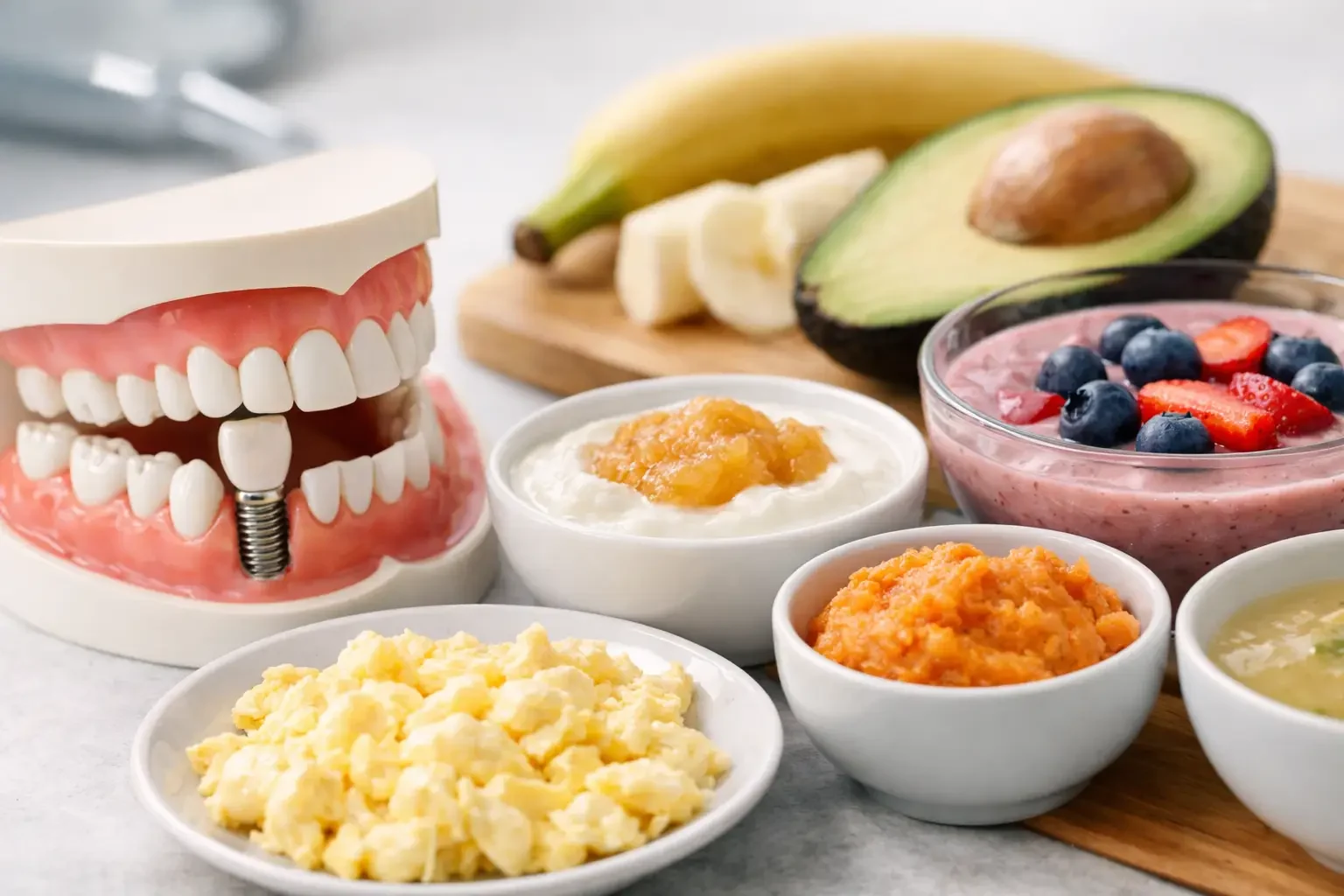
A dental implant procedure is an investment in your comfort, health, and confidence. What you eat during recovery can help protect the surgical area, reduce irritation, and make the healing process easier. The best foods after dental implants are soft, nourishing, and easy to eat without putting pressure on the implant site.
Your exact diet will depend on the treatment you received. One implant, multiple implants, bone grafting, or an All-on-4 procedure may each come with different instructions. Always follow the personalized guidance from your dental team first, especially if you have a temporary tooth or full-arch restoration in place.
Start With Cool, Soft Foods After Implant Surgery
For the first 24 to 48 hours, focus on foods that are smooth, cool or room temperature, and require little to no chewing. This is when tenderness, swelling, and minor bleeding are most likely. A gentle diet gives the area time to stabilize without being bumped by hard or sharp food particles.
Good early choices include plain yogurt without crunchy mix-ins, applesauce, pudding, gelatin, smoothies eaten with a spoon, and protein shakes. Mashed potatoes, blended soups that have cooled down, oatmeal, and scrambled eggs can also work well once you are comfortable.
Cold foods may feel soothing, but avoid using a straw unless your dentist says it is safe. The suction can disturb the healing blood clot around a surgical site, particularly after tooth extraction or grafting. Sip directly from a cup instead.
Choose foods that support healing rather than filling up on sweets alone. Your body needs protein, vitamins, and fluids to repair tissue. A smoothie with yogurt, milk or a milk alternative, soft fruit, and protein powder can be a convenient meal when chewing feels difficult. Just be sure seeds are fully blended or left out, since tiny particles can become trapped near the incision.
Best Foods After Dental Implants as You Heal
As soreness improves, most patients can gradually add more variety. Soft foods that can be mashed with a fork are often the right next step. The goal is not to rush back to normal chewing. It is to eat well while avoiding unnecessary force on the implant and surrounding gums.
Protein-Rich Foods for Tissue Repair
Protein is especially valuable after oral surgery because it supports tissue repair and helps you maintain energy when your food choices are limited. Soft scrambled eggs, flaky fish, tender shredded chicken, tofu, cottage cheese, and Greek yogurt are practical options.
If you are having difficulty opening your mouth or chewing, use a blender, food processor, or slow-cooker recipes to change the texture. For example, chicken can be finely shredded and mixed into soft rice or mashed vegetables. Fish should be flaky and free of small bones. Avoid anything crispy, fried, or heavily breaded during early healing.
Soft Fruits and Cooked Vegetables
Fruits and vegetables provide nutrients that support overall health, but texture matters. Ripe bananas, avocado, applesauce, canned peaches or pears packed in juice, and soft melon are usually easier to manage than raw apples or firm berries.
For vegetables, try well-cooked carrots, squash, zucchini, sweet potatoes, spinach, or green beans. Steam or roast them until very tender, then mash or cut them into small pieces. A warm, soft sweet potato with a little butter or plain yogurt is often satisfying and easy to eat.
Avoid vegetables with skins, seeds, or fibrous textures if they could lodge around the surgical area. Corn, raw carrots, celery, and crunchy salads can wait until your dentist confirms that your recovery is progressing well.
Comforting Grains and Easy Meals
Soft grains can make meals feel more substantial. Oatmeal, cream of wheat, grits, soft pasta, well-cooked rice, and quinoa may be appropriate as you recover. Keep foods moist with a mild sauce, broth, or gravy so they do not require forceful chewing.
Soups are another helpful option, but take care with temperature and texture. Let hot soup cool to lukewarm first. Choose smooth soups or soups with very soft ingredients, such as pureed vegetable soup, lentil soup that has been blended, or chicken soup with finely shredded chicken and tender noodles.
Foods and Habits to Avoid During Recovery
Even healthy foods can be a poor choice if they are too hard, sticky, spicy, or crumbly. Crunchy chips, nuts, popcorn, crackers, crusty bread, granola, and hard candy can irritate the gums or place unwanted pressure on a new implant. Small fragments from popcorn and seeds are particularly frustrating because they can get caught near the healing site.
Sticky foods such as caramel, chewing gum, and chewy candy should also stay off the menu. They can pull on temporary restorations or make cleaning more difficult. Tough meats, pizza crust, bagels, and raw vegetables may require more biting force than is safe or comfortable early on.
It also helps to limit acidic, spicy, and very hot foods if your gums feel sensitive. Citrus juices, hot peppers, tomato-heavy dishes, and steaming beverages can sting the area for some patients. If you drink coffee, wait until it is lukewarm and follow your dentist’s instructions about when it is appropriate.
Alcohol and tobacco deserve special attention. Alcohol can interfere with certain medications and may slow recovery. Smoking or vaping can significantly increase the risk of implant complications by reducing blood flow and interfering with healing. If you are planning dental implants, stopping tobacco use is one of the strongest steps you can take to support a successful outcome.
How Long Should You Follow a Soft Diet?
There is no single timeline that fits every patient. Some people feel ready for soft chewing within a few days, while others need longer, especially after multiple implants, extractions, bone grafting, or full-mouth treatment. Healing underneath the gumline continues long after the initial soreness fades, so feeling better does not always mean the implant is ready for hard foods.
Your dentist may ask you to avoid chewing directly on the implant area for several weeks or longer. This is common when an implant is integrating with the jawbone. If you have implants on only one side, you may be able to chew gentle foods on the opposite side. If you have a temporary bridge or full-arch restoration, your care instructions may be more specific.
Progress gradually. If a food causes pain, pressure, pulling, or throbbing, stop eating it and return to softer choices. Do not test the implant by biting into a sandwich, apple, or steak before you have been cleared. A few extra weeks of caution can protect the long-term result you chose implants for.
Make Eating More Comfortable
Small meals are often easier than trying to finish a large plate of food. Keep water nearby, stay hydrated, and take prescribed medication exactly as directed. If you have swelling, use cold compresses according to your post-treatment instructions and choose foods that do not require wide opening or strong chewing.
Oral hygiene matters just as much as food selection. Keep your mouth clean using the method recommended by your dentist. You may be instructed to rinse gently, use a prescribed rinse, or brush carefully around the site. Do not poke the area with a toothbrush, toothpick, or fingernail to remove food.
Call your dental office if you develop worsening pain after initial improvement, persistent bleeding, increasing swelling, fever, a loose temporary tooth, or a bad taste that does not go away. Prompt attention can help your team address a concern before it becomes more serious.
At United Dental Specialists, we provide clear, personalized aftercare guidance so you can recover with confidence and protect your new smile. Give your body the nutrition and patience it needs now, and you will be better positioned to enjoy comfortable, natural-looking function for years to come.
This article provides general information and does not replace an individual dental evaluation. Options, suitability, costs and outcomes vary by patient. Please consult our team before making decisions about your treatment.
← Back to home
Leave a comment.
Your email address will not be published. Required fields are marked with *.