
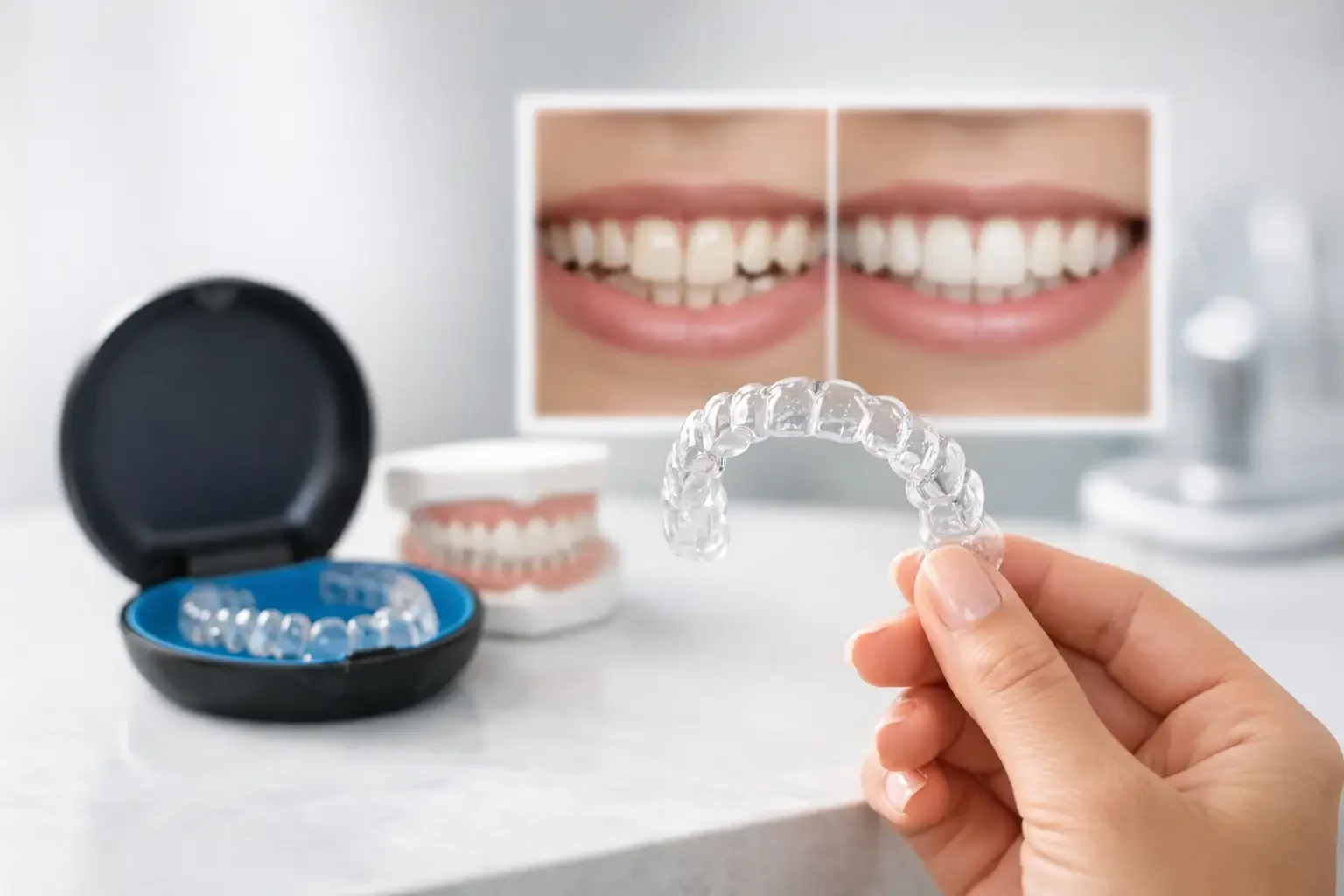
A clear aligner is easy to overlook in a photo or a meeting. That discretion is a major reason adults and teens choose this option, but the best results come from more than simply wearing trays when it is convenient. This guide to Invisalign treatment explains what the process involves, who may benefit, and how to make an informed decision about your smile.
Invisalign treatment uses a series of custom, removable clear aligners to gradually guide teeth into healthier positions. It can improve the appearance of crowding, gaps, and certain bite concerns while making everyday brushing, flossing, meals, and special occasions easier to manage than with fixed braces.
What Invisalign Treatment Can Address
Clear aligners are designed to apply controlled pressure in a planned sequence. Each set makes small changes, with the full series building toward the final result. For many patients, Invisalign can address mild to moderate crowding, spacing between teeth, teeth that have shifted after past orthodontic treatment, and some overbite, underbite, crossbite, or open-bite concerns.
The key word is some. Invisalign is highly capable, but it is not automatically the right choice for every orthodontic case. Teeth that need significant movement, certain complex bite issues, or cases involving untreated gum disease may call for a different approach or additional care first. A professional evaluation is the only reliable way to know what will produce a stable, healthy result.
Your goals matter during this conversation. Some patients want to straighten the front teeth that show when they smile. Others need to improve how their teeth fit together to protect enamel, reduce uneven wear, or make cleaning easier. A personalized plan should consider both appearance and function.
Your Guide to Invisalign Treatment: The Process
Treatment begins with a consultation and a close look at your teeth, gums, bite, and oral health history. Digital scans may be used to create a detailed model of your smile. These scans replace the need for many traditional impressions and help your dental team map out the tooth movements needed for treatment.
Planning Your New Smile
Your provider creates a treatment plan based on the changes your teeth need, not a one-size-fits-all schedule. You may be able to see a digital preview of the planned outcome before treatment begins. This is a valuable opportunity to discuss priorities, ask what is realistically achievable, and understand whether restorative or cosmetic work, such as whitening or veneers, should be considered before or after orthodontic care.
If your gums are inflamed, you have active decay, or a tooth needs restorative treatment, those concerns should be addressed first. Moving teeth is most successful when the foundation is healthy.
Receiving and Wearing Aligners
Once your aligners are ready, you will receive instructions for inserting, removing, cleaning, and changing them. Most patients wear each set for about one to two weeks, though the exact schedule depends on the plan. Aligners are typically worn 20 to 22 hours per day, coming out only for eating, drinking anything other than water, brushing, and flossing.
Some cases require small tooth-colored attachments. These temporary additions give aligners a better grip so they can make more precise movements. Attachments are common and usually much less noticeable than traditional brackets. Small adjustments between teeth, called interproximal reduction, may also be recommended when space is needed to safely relieve crowding. Your provider should explain why any step is being suggested before moving forward.
Progress Visits and Refinements
You will have periodic check-ins so your progress can be monitored and your next aligners can be provided. These visits help catch issues early, including an aligner that is not seating fully or a tooth that is moving more slowly than expected.
Many patients need refinements near the end of treatment. Refinements are additional aligners used to improve the final details of the result. They are not a sign that treatment failed. Teeth are biological structures, and small variations in movement are normal. Planning for a precise finish is part of quality orthodontic care.
How Long Does Invisalign Take?
Treatment time varies widely. A focused case involving minor front-tooth crowding may take several months, while more comprehensive treatment often takes 12 to 18 months or longer. Your daily wear habits have a direct effect on that timeline.
An aligner cannot work effectively from a bathroom counter or inside its case. Skipping wear time, changing trays too early, or repeatedly losing aligners can delay progress and may require replacement trays or revisions. Consistency is the trade-off for the flexibility clear aligners provide.
There can be mild pressure or tenderness for a day or two when you start a new set. This generally indicates that the aligners are applying force as planned. Significant pain, sharp edges, persistent sores, or an aligner that will not fit should be reported to your dental office rather than ignored.
Daily Habits That Protect Your Progress
Invisalign fits into a busy Miami lifestyle, but it requires a dependable routine. Remove aligners before meals and snacks, then brush your teeth before placing them back in whenever possible. Trapping food particles and sugars against your teeth can increase the risk of cavities, staining, and unpleasant odor.
Clean aligners gently each day with a soft toothbrush and products recommended by your provider. Hot water can warp the plastic, so use cool or lukewarm water instead. Keep the current set in its case whenever it is out of your mouth. A napkin may seem convenient at a restaurant, but it is one of the most common ways aligners are accidentally thrown away.
Coffee, tea, red wine, and colored drinks can stain aligners. Since aligners should be removed for anything other than water, this is also a useful reminder to protect them and your teeth. If you drink a beverage with sugar or acid, rinse with water and brush when you can before reinserting your trays.
Cost, Insurance, and Choosing the Right Plan
The cost of Invisalign depends on the complexity of your case, the number of aligners needed, whether refinements are included, and the level of follow-up care involved. A minor alignment plan generally costs less than comprehensive treatment that corrects a bite issue. The lowest advertised price does not always reflect the complete cost of care.
During a consultation, ask for a clear explanation of what is included. You should understand the expected fee, payment options, insurance benefits if applicable, the potential cost of lost aligners, and whether retainers are part of the final plan. This clarity makes it easier to choose treatment based on value and long-term results rather than guesswork.
It is also wise to choose a provider who evaluates your full oral health, not just the appearance of the front teeth. Straight teeth are easier to care for, but a confident smile should also be supported by healthy gums, stable bite function, and a retention plan.
Retainers Are the Lasting Step
When your last aligner comes off, treatment is not truly finished. Teeth naturally tend to shift over time, especially in the lower front teeth. Retainers help preserve the new alignment you worked to achieve.
Your provider will recommend how often to wear them based on your case. Many patients begin with more consistent wear and transition to nighttime use. Follow those instructions closely, and bring retainers to checkups if you notice they feel tight or no longer fit. Replacing a retainer is far simpler than needing orthodontic treatment again.
When It Is Time to Schedule a Consultation
If you are tired of hiding crowded teeth in photos, noticing a past orthodontic result drifting, or wondering whether clear aligners can improve your bite, a consultation can give you direct answers. United Dental Specialists can assess your smile, discuss your priorities, and create a treatment recommendation that supports both your comfort and your long-term oral health.
A straighter smile should never feel like a gamble or a generic online purchase. The right plan begins with a careful exam, realistic expectations, and a team that stays involved from your first scan to the retainer that protects your result.
This article provides general information and does not replace an individual dental evaluation. Options, suitability, costs and outcomes vary by patient. Please consult our team before making decisions about your treatment.
← Back to home
Leave a comment.
Your email address will not be published. Required fields are marked with *.