
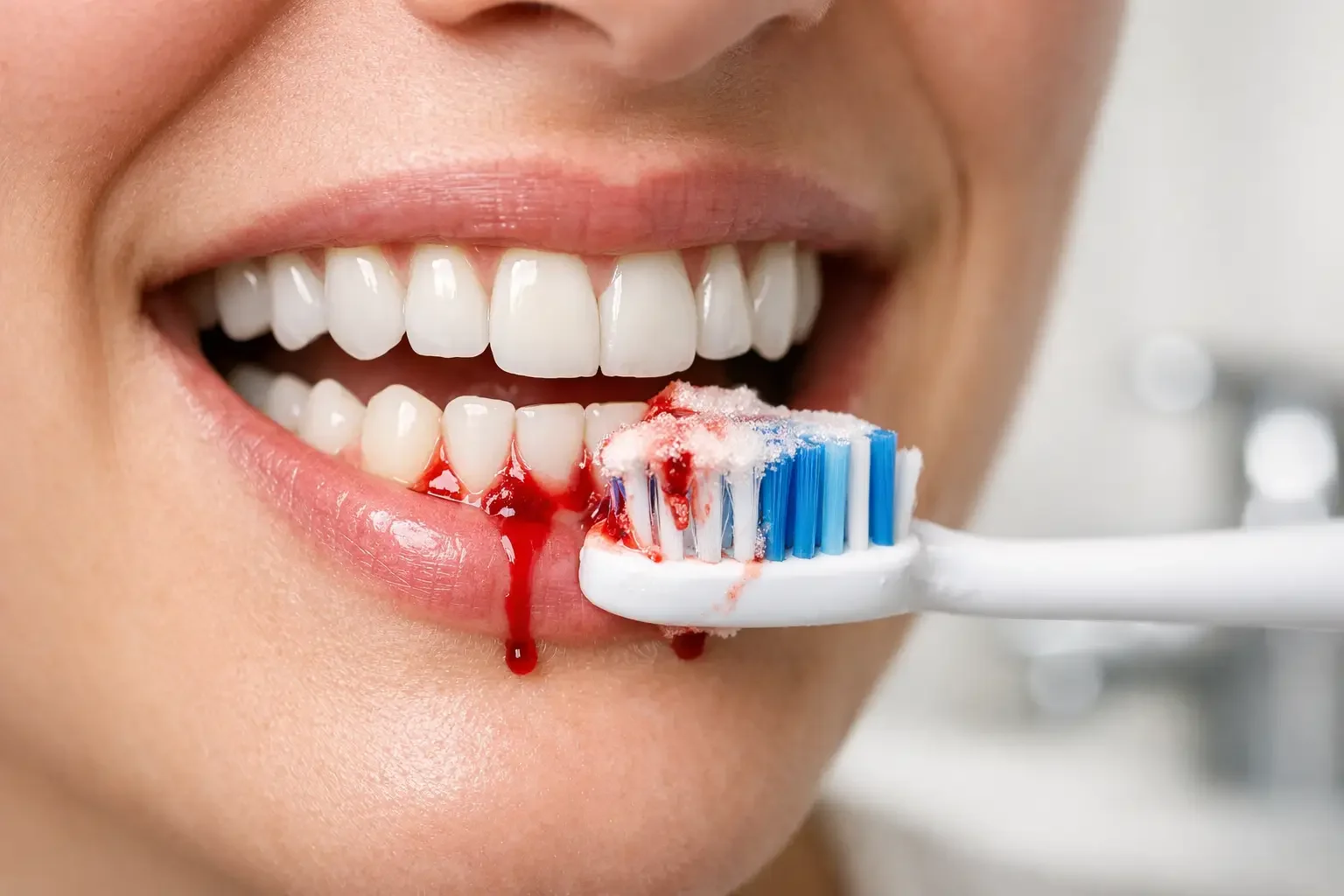
Seeing pink in the sink after brushing can be unsettling, especially when your teeth feel fine. So, why do gums bleed when brushing? Most often, bleeding is an early sign that plaque has irritated the gum tissue. It is common, but it is not something to ignore or simply accept as normal.
Your gums are meant to create a protective seal around each tooth. When bacteria collect near and below the gumline, the body responds with inflammation. The gums may become tender, puffy, or more likely to bleed during brushing and flossing. The good news is that prompt attention can often stop the problem before it threatens the health of the bone supporting your teeth.
Why Do Gums Bleed When Brushing?
The most frequent reason is gingivitis, the earliest stage of gum disease. A soft, sticky film called plaque develops on teeth throughout the day. If it is not thoroughly removed, plaque can irritate the gums. Over time, it can harden into tartar, which cannot be removed with a toothbrush at home.
Gingivitis does not always hurt. In fact, many people do not realize anything is wrong until they notice blood while brushing, flossing, or biting into something firm. You may also notice redness, swelling, persistent bad breath, or a change in how your gums look around your teeth.
Bleeding can also happen when someone starts brushing or flossing more consistently after a long break. Inflamed gums often bleed at first because they are already sensitive. That does not mean you should stop cleaning between your teeth. Gentle, regular brushing and flossing usually helps the gums become healthier and bleed less over the following days or weeks. If bleeding continues, a dental exam is the right next step.
Other Reasons Your Gums May Bleed
Gum inflammation is common, but it is not the only possible cause. Brushing too aggressively can damage delicate gum tissue, particularly with a hard-bristled toothbrush or a scrubbing motion. A soft-bristled brush and light pressure are more effective and kinder to your gums.
A new flossing routine, orthodontic appliances, ill-fitting dentures, or a restoration with a rough edge can also irritate the gums. Dry mouth may contribute because saliva helps wash away food particles and bacteria. Certain medications, including some blood thinners, can make bleeding more noticeable even when the underlying gum irritation is mild.
Hormonal changes can make gums more reactive as well. Pregnancy, puberty, menopause, and some forms of birth control may increase sensitivity to plaque. Vitamin deficiencies and medical conditions that affect blood clotting or immune function can also play a role, though these are less common explanations.
The key point is that bleeding gums deserve a conversation with a dental professional, particularly if they happen regularly. A careful evaluation can identify whether the cause is plaque buildup, gum disease, an oral hygiene issue, a dental appliance, or something that should also be discussed with your physician.
Gingivitis vs. Periodontal Disease
Gingivitis affects the gum tissue and is often reversible with professional cleaning and reliable home care. Periodontal disease, also called periodontitis, is more advanced. It occurs when infection and inflammation move deeper below the gumline, damaging the fibers and bone that hold teeth in place.
Not every case of bleeding gums means periodontitis. However, delaying care can allow early inflammation to progress. Warning signs that need prompt attention include gums that pull away from teeth, loose teeth, changes in your bite, pus around the gums, persistent bad breath, or bleeding that does not improve.
Periodontal disease can affect more than the appearance of your smile. As gum support weakens, teeth may become harder to maintain, more sensitive, or eventually at risk of loss. Early treatment protects your natural teeth, your comfort, and your options for the future.
What to Do When Your Gums Bleed
Start with gentle, consistent oral hygiene. Brush twice each day for two minutes using a soft-bristled toothbrush and fluoride toothpaste. Angle the bristles gently toward the gumline rather than pressing hard against it. Brushing harder does not remove more plaque. It can wear down enamel and irritate your gums.
Clean between your teeth once daily with floss, interdental brushes, or another option recommended for your smile. Floss should curve around each tooth in a C shape and move gently below the gumline. Snapping floss down into the gums can cause injury, so technique matters.
Do not use mouthwash as a substitute for brushing and flossing. An antibacterial or fluoride rinse may be helpful for some patients, but the right choice depends on your needs. If your gums are sore, rinsing with warm salt water can feel soothing, but it will not remove tartar or treat established gum disease.
Avoid tobacco products, which can worsen gum disease and slow healing. Stay hydrated, maintain a balanced diet, and keep routine dental visits on schedule. These practical habits support a healthier mouth, but they cannot replace professional treatment when plaque has hardened below the gumline.
When to Schedule a Dental Visit
Make an appointment if your gums bleed more than once or twice, especially if the bleeding lasts longer than two weeks despite gentler brushing and daily flossing. You should also be seen if you have swelling, pain, bad breath that persists, gum recession, tooth sensitivity, or any loose teeth.
A dental visit is not just about a cleaning. Your care team can measure the health of your gums, check for tartar buildup, assess existing restorations, and look for signs of infection or bone loss. If treatment is needed, the plan may range from a routine cleaning and hygiene guidance to deeper periodontal care. The right approach depends on how far the condition has progressed.
If bleeding is heavy, starts suddenly without an obvious oral cause, or occurs along with easy bruising, nosebleeds, fever, or unexplained fatigue, contact your physician promptly. Dental bleeding can occasionally be connected to a broader health concern, particularly if you take blood-thinning medication or have a known medical condition. Never stop prescribed medication without speaking with the provider who manages it.
Professional Care Can Protect Your Smile
Many patients put off an exam because they worry treatment will be uncomfortable or complicated. In reality, addressing bleeding gums early is usually more straightforward than waiting for symptoms to worsen. A personalized plan can focus on reducing inflammation, protecting the bone around your teeth, and making your daily care easier to maintain.
At United Dental Specialists, patients can receive a thorough evaluation in a welcoming setting, with clear explanations of what is happening and what treatment may help. Whether you need preventive care, periodontal support, or treatment for a more advanced dental concern, the goal is to restore comfort and protect the confident smile you rely on every day.
Bleeding gums are your mouth’s way of asking for attention. Respond with gentle daily care and a timely dental visit, and you give your smile the best chance to heal before a small warning becomes a larger problem.
This article provides general information and does not replace an individual dental evaluation. Options, suitability, costs and outcomes vary by patient. Please consult our team before making decisions about your treatment.
← Back to home
Leave a comment.
Your email address will not be published. Required fields are marked with *.