
A missing molar can change more than the way your smile looks. Because molars do most of the heavy work when you chew, losing one may make it harder to enjoy meals, place extra pressure on nearby teeth, or leave you favoring one side of your mouth. The best ways to replace molars depend on where the tooth is located, how many teeth are missing, the health of your gums and jawbone, and what feels right for your long-term goals.
Waiting too long can allow neighboring teeth to shift into the open space. The opposing tooth may also begin moving downward or upward because it no longer has a tooth to bite against. A personalized evaluation gives you a clear view of your options before those changes make treatment more complicated.
Why Replacing a Molar Matters
Back teeth are designed for grinding and breaking down food. When a molar is gone, a front tooth or neighboring premolar may take on a job it was not built to handle. That can contribute to uneven wear, bite discomfort, and strain on your jaw over time.
Replacing the tooth can restore more natural chewing, support a balanced bite, and help maintain the shape of your smile. It can also make everyday habits feel easier. Many patients notice that they have been avoiding certain foods without realizing it until their chewing function is restored.
The right solution is not always the most extensive one. For some patients, a single implant is the strongest long-term choice. For others, a bridge or removable appliance may be more appropriate because of oral health needs, treatment timing, or budget considerations.
Dental Implants: Often the Best Way to Replace Molars
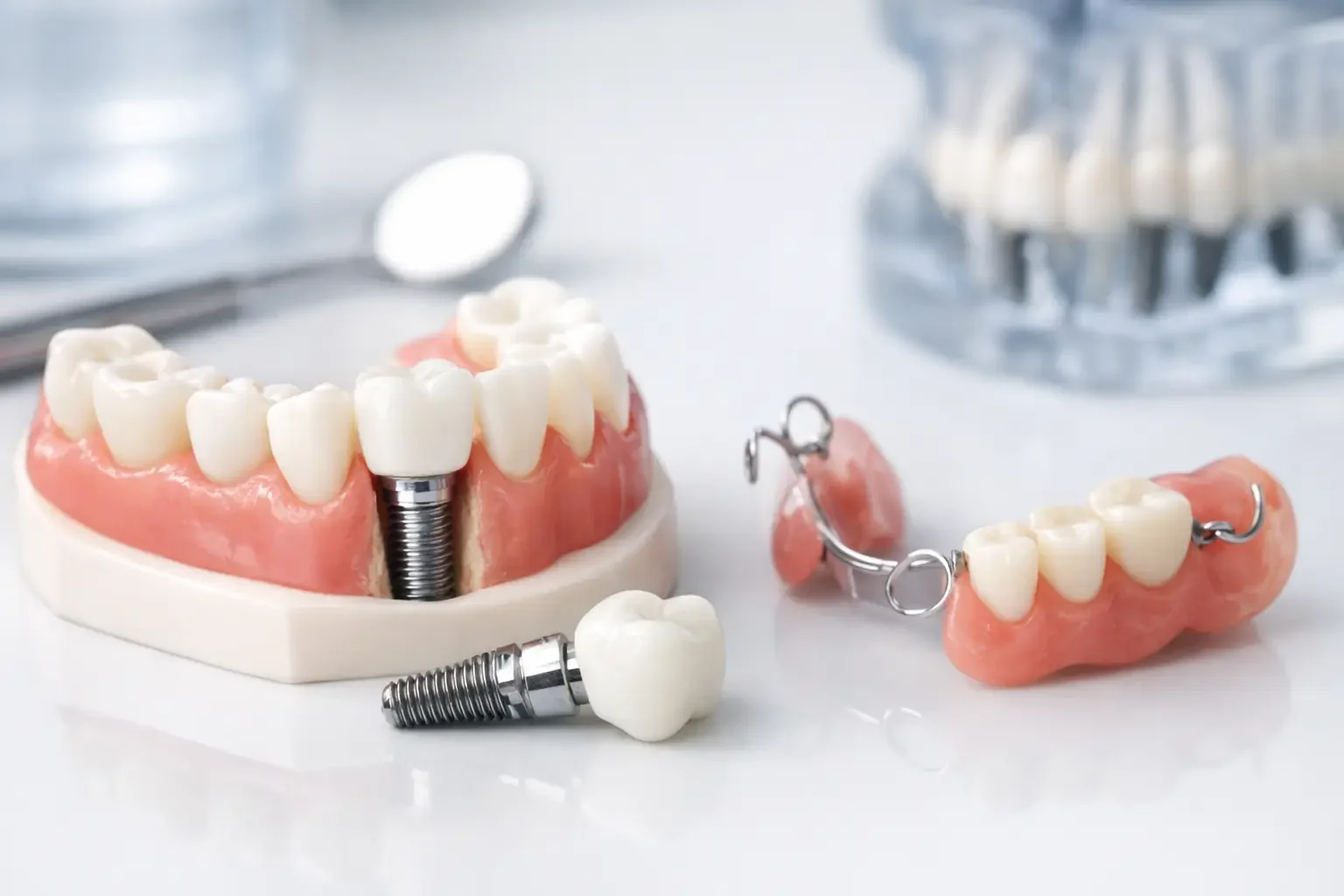
For a single missing molar, a dental implant is often considered the closest replacement to a natural tooth. It uses a small titanium post placed in the jawbone to support a custom crown. Once treatment is complete, the crown is designed to blend with your surrounding teeth while providing the stability needed for chewing.
One of the most significant benefits of an implant is that it replaces the tooth root as well as the visible tooth. This stimulates the jawbone and can help reduce bone loss in the area. Unlike a traditional bridge, an implant generally does not require reshaping the healthy teeth on either side of the gap.
Implants are especially appealing for patients who want a fixed solution that feels secure. You brush and floss around an implant-supported crown much like a natural tooth, and with consistent home care and professional visits, it can be a highly durable restoration.
When an Implant May Be a Good Fit
You may be a candidate for a molar implant if you have healthy gums, sufficient jawbone, and a commitment to daily oral hygiene. Your dentist will also consider medical history, bite forces, smoking or vaping habits, and signs of gum disease. These details matter because a successful implant depends on a healthy foundation.
If bone has already thinned after tooth loss, bone grafting may be recommended before implant placement. That can extend the timeline, but it may create the support needed for a more predictable result. In some cases, immediate implant placement may be possible after an extraction, although this depends on the condition of the tooth, surrounding bone, and any infection present.
What to Expect From the Process
Implant treatment is completed in stages. After the implant post is placed, it needs time to integrate with the bone. A custom crown is then attached once the site is ready. The process requires patience, but many patients find the long-term comfort, strength, and confidence well worth the investment.
Dental Bridges: A Fixed Option Without Surgery
A dental bridge fills the space left by a missing molar using a replacement tooth held in place by crowns on the adjacent teeth. It is a fixed restoration, meaning it stays in place and is not removed at home.
A bridge may be a practical choice when the teeth next to the missing molar already need crowns because of large fillings, damage, or decay. It can also be a good option for patients who are not candidates for implant surgery or who prefer a shorter treatment timeline.
The trade-off is that traditional bridges require preparation of the neighboring teeth. Bridges also do not replace the tooth root, so they do not provide the same direct bone support as an implant. Cleaning underneath the replacement tooth requires a floss threader or special cleaning tool, but with the right routine, a bridge can restore function and appearance effectively.
Partial Dentures: Flexible Support for Multiple Missing Teeth
A removable partial denture can replace one or more missing molars, particularly when there are several gaps in different areas of the mouth. It consists of replacement teeth attached to a gum-colored base and is designed to fit around your remaining teeth.
Modern partial dentures can look more natural and feel more comfortable than many people expect. They are typically a more budget-conscious option and can be made relatively quickly compared with implant treatment. They may also serve as a temporary solution while you plan for a future implant or bridge.
Still, a partial denture does not feel exactly like a fixed tooth replacement. It must be removed for cleaning, and some patients need an adjustment period as they get used to speaking and chewing with it. It also does not prevent bone loss in the same way an implant can. For the right patient, however, it can be a valuable and functional treatment.
When Several Molars Are Missing
Replacing multiple molars requires a broader look at your bite, bone levels, and remaining teeth. Placing one implant for every missing tooth is not always necessary. In some situations, two implants can support a bridge that replaces several back teeth. This approach may reduce the number of surgical sites while still providing a secure, fixed result.
When most or all teeth in an arch are missing or failing, full-arch implant solutions such as All-on-4 may be worth discussing. These restorations use strategically placed implants to support a full set of replacement teeth. They are not the first choice for every patient missing a few molars, but they can be life-changing for patients dealing with extensive tooth loss, loose dentures, or widespread dental damage.
How to Choose Between Molar Replacement Options
The best treatment begins with a complete exam, digital imaging, and an honest conversation about what you want from your smile. A replacement should help you chew comfortably, protect your oral health, and fit your lifestyle.
Consider how long you want the solution to last, whether you want a fixed or removable option, and whether preserving jawbone is a major priority. Your current dental health matters as well. If gum disease or an active infection is present, treating that issue first protects the success of any restoration that follows.
Cost is also part of a practical treatment decision. While an implant may have a higher upfront cost, it can offer meaningful long-term value because it functions independently and can last for many years with proper care. A bridge or partial denture may require a lower initial investment and still be an excellent choice in the right circumstances. The goal is not to select a one-size-fits-all solution. It is to choose a treatment plan that is healthy, realistic, and built around you.
Do Not Ignore Pain or a Damaged Molar
Sometimes the question is not whether to replace a missing molar, but whether a severely damaged one can still be saved. If the tooth has enough healthy structure and a stable root, a root canal and crown may preserve it. Keeping your natural tooth is generally preferred when it can be predictably restored.
However, a tooth with severe decay, advanced infection, a deep fracture, or significant bone loss may need to be removed. Prompt care is especially important if you have swelling, a persistent toothache, fever, drainage, or pain when biting. These symptoms can signal an urgent dental problem that should not wait.
At United Dental Specialists, your treatment recommendation should start with listening to your concerns, evaluating your complete oral health, and explaining the options in clear terms. Whether you need a single molar implant, a bridge, or a more comprehensive restoration, a thoughtful plan can bring back comfortable chewing and help you smile with confidence. Scheduling an evaluation is a practical first step toward replacing the tooth before a small gap becomes a bigger concern.
This article provides general information and does not replace an individual dental evaluation. Options, suitability, costs and outcomes vary by patient. Please consult our team before making decisions about your treatment.
← Back to home
Leave a comment.
Your email address will not be published. Required fields are marked with *.