
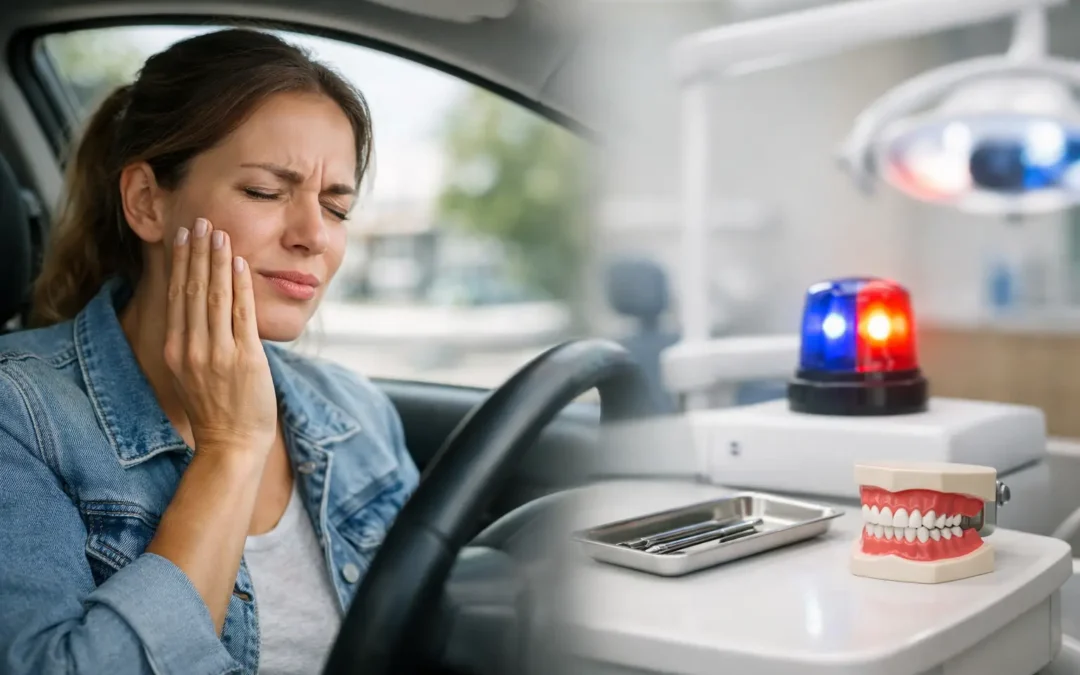
A cracked tooth at lunch, a swollen gum that keeps getting worse, a sudden jolt of pain that wakes you up at 2 a.m. – these are the moments when an emergency dentist appointment stops feeling optional. If you are dealing with dental pain, bleeding, trauma, or visible damage, fast care can make the difference between a simpler fix and a more serious problem.
Dental emergencies do not always look dramatic, and that is where people get stuck. Some patients wait too long because they hope the pain will pass. Others assume they need the ER when what they really need is a dental team that can diagnose the cause, relieve discomfort, and protect the tooth as quickly as possible.
What counts as an emergency dentist appointment?
An emergency dentist appointment is appropriate when you have symptoms that need prompt professional attention, especially if pain, swelling, infection, or injury is involved. Severe toothaches, broken teeth, knocked-out teeth, lost fillings or crowns with pain, gum abscesses, facial swelling, and bleeding that does not stop are all common reasons to call right away.
Not every urgent dental problem looks the same. A chipped tooth with no pain may be less time-sensitive than a cracked tooth that hurts when you bite. A lost crown can sometimes wait a short time if the area is stable, but not if the tooth underneath is exposed and sensitive. The key is not trying to diagnose it alone. If the condition is worsening, interfering with eating or sleeping, or causing swelling, it should be treated quickly.
Signs you should call the same day
Pain is one of the clearest signals, but it is not the only one. Pressure, throbbing, sensitivity that suddenly becomes intense, or pain with swelling can point to infection or internal tooth damage. Trauma from a fall, sports injury, or accident also deserves prompt evaluation, even if the tooth looks only slightly affected at first.
You should also seek same-day care if a permanent tooth has been knocked out or pushed out of position. Time matters in these cases. Fast treatment improves the chances of saving the tooth and reducing long-term complications.
Bleeding is another reason to call. If bleeding continues after applying gentle pressure, or if it follows an injury, do not wait. Ongoing bleeding may signal tissue damage that needs immediate care.
What to do before your emergency dentist appointment
The right first steps can help reduce pain and protect your mouth until you are seen. Rinse gently with warm water to clean the area. If there is swelling, use a cold compress on the outside of the cheek in short intervals. If a tooth has been knocked out, handle it by the crown rather than the root and keep it moist in milk or saliva if possible.
For a broken tooth, try to save any pieces and avoid chewing on that side. If you lost a filling or crown, keep the area clean and avoid very hot, cold, or sticky foods. Over-the-counter pain relief may help in some cases, but it should never replace an exam when symptoms are severe or getting worse.
There are also a few things to avoid. Do not place aspirin directly on the gums. Do not ignore facial swelling, fever, or a bad taste in the mouth, which can be signs of infection. And do not assume that if pain fades, the problem is solved. Dental infections and cracks can quiet down temporarily while the underlying issue continues.
Common problems treated during an emergency dentist appointment
Many patients think emergency dental care only covers extreme injuries, but urgent appointments often involve conditions that started small and escalated. A deep cavity can turn into severe pain. An old filling can fail without warning. Teeth weakened by grinding or prior dental work can crack during an ordinary meal.
Infections are also a major reason people seek immediate help. An abscessed tooth, swollen gums, or tenderness near the jaw can become serious quickly. Beyond discomfort, untreated infection can spread and affect overall health. That is one reason timely care matters so much.
Emergency visits may also address broken restorations, including crowns, bridges, and dentures, especially when they affect function or cause pain. For patients with cosmetic dental work, trauma to veneers or front teeth can feel urgent for both health and appearance reasons. In those cases, the goal is not only relief but protecting your smile and planning the right next step.
What happens during the visit
Most emergency appointments begin with a focused exam and digital imaging if needed. The priority is to identify the source of the problem quickly. Pain in one area can sometimes come from another tooth, the gums, or an infection below the surface, so a clear diagnosis matters.
From there, treatment depends on what is causing the emergency. You may need drainage of an abscess, a temporary or permanent restoration, re-cementing of a crown, stabilization of a damaged tooth, or a recommendation for root canal therapy or extraction. Some issues can be handled fully in one visit. Others require immediate relief first and a second appointment for complete treatment.
That does not mean the first visit is only a temporary patch. A well-managed emergency appointment should reduce pain, protect the area from further damage, and give you a clear treatment plan. Patients usually feel better not just because symptoms are addressed, but because they finally know what is happening and what comes next.
Why waiting can cost more than comfort
One of the most common reasons people delay care is hoping to avoid a bigger procedure. Ironically, waiting often increases that risk. A minor crack can deepen. Decay can reach the nerve. An infection that might have been treated early can lead to more extensive care.
There is also the everyday cost of waiting. Dental pain affects sleep, work, eating, and concentration. For busy adults and parents, that disruption adds up fast. Prompt treatment is not only about preventing complications. It is about getting back to normal life with less stress and less uncertainty.
Emergency dentist appointment vs. emergency room
This is a common point of confusion. In many dental emergencies, the best first call is a dental office, not the ER. Dentists are equipped to treat tooth pain, broken teeth, lost restorations, and many oral infections directly. An emergency room may help with pain control or swelling, but in most cases it will not provide definitive dental treatment.
There are important exceptions. If you have trouble breathing, trouble swallowing, uncontrolled bleeding, significant facial trauma, or swelling that seems severe and rapidly spreading, seek emergency medical care immediately. Those situations may go beyond standard dental treatment and need urgent medical attention first.
Choosing the right office when you need urgent care
When you need help fast, convenience matters, but so does capability. Look for a practice that offers prompt scheduling, modern diagnostic technology, and a broad range of services under one roof. That makes it easier to move from emergency relief to complete care without delays or confusion.
For patients in Doral, Miami Lakes, and nearby communities, that kind of continuity matters. A team that can address urgent pain and also support long-term restorative or cosmetic goals gives you a more complete path forward. At United Dental Specialists, emergency care is part of that bigger commitment to protecting comfort, function, and confidence.
When an emergency dentist appointment leads to bigger treatment decisions
Sometimes an urgent visit solves a short-term problem. Other times, it reveals a larger issue that has been building for months or years. A damaged tooth may need a crown after pain is controlled. A non-restorable tooth may lead to questions about implants or other replacement options. Repeated breakage can point to bite issues or grinding that should be addressed to prevent future emergencies.
That can feel overwhelming in the moment, but it can also be an opportunity. Once pain is under control, you can make thoughtful decisions about restoring your oral health and improving stability, appearance, and comfort long term. The best emergency care does not pressure you. It gives you answers, options, and a clear next step.
If something feels wrong in your mouth, trust that instinct. Dental problems rarely improve by being ignored, and quick care often means simpler treatment and faster relief. A timely call can protect more than a tooth – it can protect your time, your comfort, and your peace of mind.

Recent Comments