by Dr. David Bennett | Apr 30, 2026 | Uncategorized |
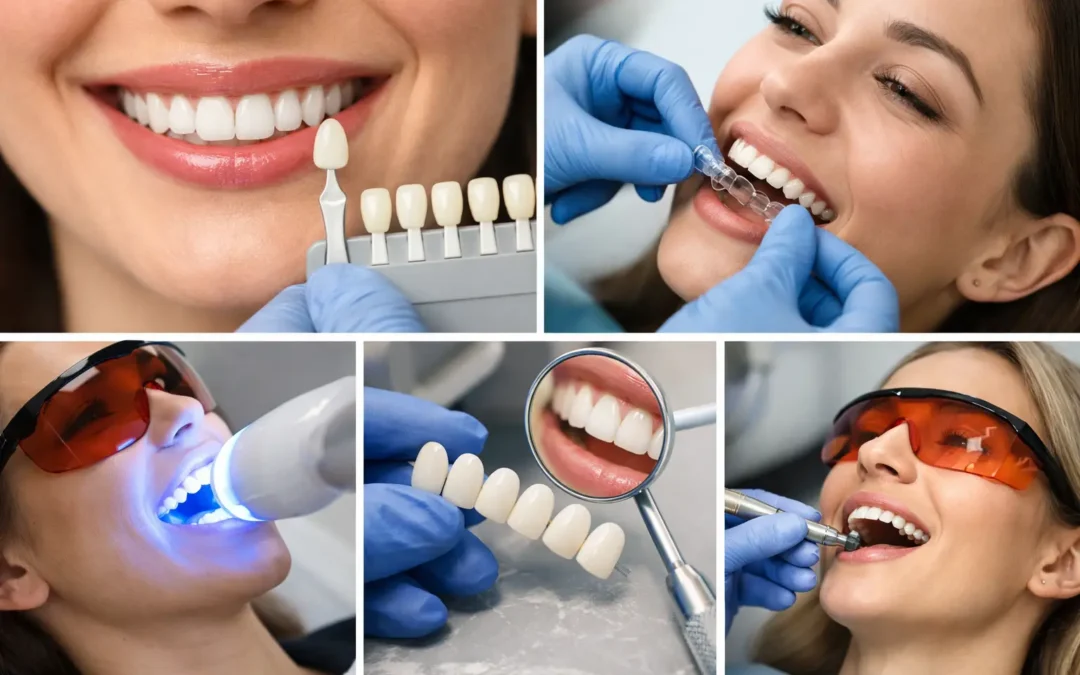
A brighter smile is not just about looks. For many patients, reviewing real examples of cosmetic dentistry is the first step toward feeling more confident at work, in photos, and in everyday conversations. The right treatment can improve appearance, but it can also correct wear, replace missing teeth, and make your smile feel more balanced and comfortable.
Cosmetic dentistry covers a wide range of treatments, and not all of them do the same thing. Some are designed for color, some for shape, and some for both appearance and function. That is why a personalized exam matters. What works well for one patient may not be the best fit for another, especially when budget, timeline, oral health, and long-term goals all come into play.
Common examples of cosmetic dentistry
When patients ask what counts as cosmetic dental care, they are usually thinking about obvious smile upgrades like whitening or veneers. Those are certainly part of it, but the category is broader than many people realize.
Teeth whitening
Professional teeth whitening is one of the most requested cosmetic treatments because it is simple, fast, and noticeable. It targets surface and deeper stains caused by coffee, tea, red wine, tobacco, and normal aging.
The main advantage is speed. In-office whitening can brighten teeth much faster than store-bought products, and custom take-home options offer more control than one-size-fits-all trays. The trade-off is that whitening does not change tooth shape, repair chips, or work on crowns and fillings. If discoloration is uneven or tied to older dental work, another treatment may create a better match.
Porcelain veneers
Veneers are thin porcelain shells bonded to the front of teeth to improve color, shape, size, and symmetry. They are often chosen by patients who want a more dramatic smile change and have concerns such as chips, gaps, worn edges, or stains that do not respond well to whitening.
Veneers can look very natural when they are carefully planned, but they do require thoughtful preparation. In many cases, a small amount of enamel is removed to help them fit properly. That means this is not usually the first option for every patient. If the goal is a subtle improvement and the teeth are otherwise healthy, bonding or whitening may be more conservative.
Dental bonding
Bonding uses tooth-colored resin to repair small chips, reshape teeth, close minor gaps, or improve the appearance of uneven edges. It is one of the most affordable examples of cosmetic dentistry and can often be completed in a single visit.
This option works especially well for small corrections. It is less invasive than veneers and can make a meaningful difference without extensive treatment. The trade-off is durability. Bonding can stain or wear faster than porcelain, so it may need touch-ups over time, especially for patients who bite their nails, grind their teeth, or drink a lot of coffee.
Invisalign and clear aligners
Straight teeth are often associated with orthodontics, but alignment is also a major part of smile aesthetics. Clear aligners such as Invisalign can improve spacing, crowding, and bite issues while offering a more discreet look than traditional braces.
Many adults prefer aligners because they are removable and easier to fit into a professional lifestyle. That said, they require consistency. If trays are not worn as directed, results can take longer or fall short. Clear aligners are also not the best solution for every complex bite issue, so an evaluation is important before deciding.
Examples of cosmetic dentistry that also restore function
Some treatments sit at the intersection of cosmetic and restorative care. They improve how a smile looks, but they also support chewing, speech, and long-term oral health.
Dental crowns
A crown is a custom cap placed over a damaged or weakened tooth. While crowns are often used for restorative reasons, they can also improve the appearance of misshapen, discolored, or heavily worn teeth.
Crowns are a strong option when a tooth needs more support than bonding or veneers can provide. They are often recommended after large fillings or fractures. The key difference is that a crown covers the whole visible portion of the tooth, making it more comprehensive but also more involved than surface-level cosmetic treatments.
Dental implants
Dental implants are one of the most complete solutions for missing teeth. They replace the tooth root and support a custom crown, helping restore both appearance and function. For patients with a visible gap in their smile, implants can make a major cosmetic difference while also preserving jawbone support.
Implants are popular because they feel secure and look natural, but they do require healthy bone and a longer treatment timeline than options like bridges or removable dentures. For the right candidate, though, they offer excellent long-term value. At United Dental Specialists, many patients exploring cosmetic improvements are surprised to learn that replacing a missing tooth often improves both confidence and oral health in a very practical way.
Implant-supported full arch solutions
When a patient is missing most or all teeth, cosmetic concerns are often tied closely to quality of life. Full arch implant solutions, including All-on-4 style treatment, can restore the appearance of an entire smile while improving stability and bite function.
This is a bigger step than single-tooth cosmetic care, but it can be life-changing for patients who have struggled with loose dentures, multiple failing teeth, or embarrassment about smiling. Because treatment is more advanced, planning is detailed and costs are higher. Still, for many people, the ability to smile, eat, and speak with confidence makes the investment worthwhile.
Tooth-colored fillings and replacing old metal fillings
Replacing dark or worn metal fillings with tooth-colored materials is another example of cosmetic dentistry that patients often overlook. While the main goal may be to repair decay or replace failing restorations, the visual improvement can be significant, especially in teeth that show when you laugh or speak.
Not every old filling needs to be replaced just for appearance. If it is functioning well, your dentist may recommend monitoring it rather than changing it. But when a restoration is cracked, leaking, or highly visible, a tooth-colored replacement can improve both health and aesthetics.
How to choose among examples of cosmetic dentistry
The best cosmetic treatment starts with the reason you want change. If your main concern is color, whitening may be enough. If you dislike shape, spacing, and uneven edges, veneers or bonding may make more sense. If you have missing teeth or failing dental work, implants or crowns may be the better path.
Timing matters too. Some patients want a quick improvement before a wedding, job interview, or major event. Others are willing to take a phased approach that begins with healthy gums and bite alignment before moving into cosmetic refinements. Neither approach is wrong. The right plan depends on your goals, oral health, and how long you want results to last.
Budget is another real factor, and it should be discussed openly. Cosmetic dentistry is not one-size-fits-all. A thoughtful dentist will explain where a lower-cost option can work well and where investing in a more durable treatment may save time and money later.
What to expect at a cosmetic consultation
A cosmetic consultation should feel clear and collaborative, not rushed. Your dentist will usually evaluate your teeth, gums, bite, existing dental work, and smile line, then talk through what you want to change. Photos, digital imaging, or shade comparisons may be used to show what is possible.
This is also the time to talk honestly about habits that affect results, such as smoking, teeth grinding, or inconsistent oral hygiene. Even the best cosmetic treatment needs a healthy foundation. If gum disease, cavities, or bite problems are present, those may need attention first to protect your result.
Patients often come in asking for one procedure and leave with a different recommendation. That is not a sales tactic when done properly. It is good treatment planning. A smile that looks beautiful but does not function well rarely stays that way for long.
Cosmetic dentistry works best when it respects both appearance and health. If you have been thinking about changing your smile, start by learning which option truly fits your needs, not just which one sounds the most dramatic. A confident result usually begins with a simple conversation, a careful exam, and a plan built around you.

by Dr. David Bennett | Apr 29, 2026 | Uncategorized |
A smile can look healthy on paper and still feel like something you want to hide in photos, meetings, or conversations. That is usually where a cosmetic dentistry smile makeover starts – not with a single procedure, but with a clear discussion about what you want to change and what will make your smile feel like your own again.
For some patients, the concern is simple staining that whitening can improve quickly. For others, it is a mix of chipped teeth, worn edges, old dental work, uneven spacing, or missing teeth that affect both appearance and function. The right plan depends on your goals, your oral health, and how dramatic or subtle you want the result to be.
What a cosmetic dentistry smile makeover really means
A smile makeover is not one treatment. It is a customized combination of cosmetic and, in some cases, restorative care designed to improve how your smile looks and how comfortably it works.
That distinction matters. If a tooth is cracked, heavily worn, or missing, appearance is only part of the issue. A beautiful result also needs support from healthy gums, stable bite alignment, and restorations that hold up in daily life. The best cosmetic work is not just noticeable in the mirror. It should also feel natural when you eat, speak, and smile.
This is why a personalized consultation is so important. Two patients may both ask for a whiter, straighter smile, yet need very different treatment paths. One may be a great candidate for whitening and Invisalign. Another may need veneers, crowns, or implant treatment because the underlying problems are more complex.
Cosmetic dentistry smile makeover treatments
The most effective smile makeovers are built from treatments that solve specific concerns rather than chasing a one-size-fits-all look. Your dentist will usually look at color, shape, symmetry, spacing, tooth wear, gum display, and overall balance before recommending any changes.
Teeth whitening for a brighter starting point
Professional whitening is often the simplest way to refresh a smile. It can lift years of discoloration from coffee, tea, wine, smoking, and normal aging. If your main concern is dull or yellowed teeth, whitening may be enough to create a noticeable improvement.
It is also sometimes used before other cosmetic work so the surrounding natural teeth are brighter before veneers or crowns are matched. That said, whitening does not change the color of existing restorations, so patients with visible bonding, crowns, or veneers may need a more coordinated plan.
Porcelain veneers for shape, color, and symmetry
Veneers are thin porcelain shells placed on the front of teeth to improve color, shape, proportion, and minor alignment issues. They are a strong option for patients who want to correct multiple cosmetic concerns at once, especially when teeth are chipped, uneven, small, worn, or resistant to whitening.
Veneers can create dramatic changes, but they are not automatically the right answer for everyone. If the issue is mostly orthodontic, moving teeth may be healthier than covering them. If a tooth has major structural damage, a crown may provide better support. Good planning makes the difference between a smile that looks refined and one that looks overdone.
Invisalign for straighter alignment
Many adults want a better smile but do not want traditional braces. Invisalign can be an excellent part of a smile makeover when crowding, gaps, or bite issues are affecting the look of the smile.
Straightening teeth first can sometimes reduce the need for more invasive cosmetic work later. It may allow for more conservative bonding or fewer veneers because the teeth are already in a better position. The trade-off is time. Orthodontic treatment requires patience, so patients looking for a fast transformation may choose a different approach depending on their goals.
Dental bonding for small but meaningful changes
Bonding uses tooth-colored material to repair chips, close small gaps, and refine tooth shape. It is often a practical option for patients who want a cosmetic upgrade without the cost or commitment of veneers.
Bonding can produce beautiful results, especially for minor corrections. However, it is generally less stain-resistant and less durable than porcelain. For the right case, it is efficient and conservative. For heavier wear or more extensive design changes, porcelain may last better over time.
Crowns and implants when function matters too
Some smile makeovers need more than cosmetic enhancement. If teeth are broken down, missing, or structurally weak, crowns and dental implants may be essential to building a result that is both attractive and stable.
Implants are especially important when missing teeth affect your smile line, bite, and confidence. Replacing a missing tooth can restore balance to the smile while also protecting chewing function and supporting long-term oral health. In these cases, a smile makeover is about much more than appearance alone.
How a smile makeover plan is built
A strong treatment plan starts with listening. Before discussing materials or procedures, your dentist should understand what bothers you most, what you want to keep natural-looking, how quickly you want results, and what budget range feels realistic.
From there, the clinical side comes in. Teeth, gums, bite, jaw function, existing restorations, and overall oral health all influence what is possible. If gum disease, decay, or infection is present, those problems need to be addressed first. Cosmetic treatment works best on a healthy foundation.
Photos, digital imaging, and detailed exams help shape the plan. This step is where patients often feel relief. Instead of guessing which treatment they need, they get a clear path based on their actual smile, timeline, and priorities.
What patients often worry about
Most patients considering cosmetic treatment have the same few concerns. Will it look natural? Will it hurt? Will it last? Will I be pressured into more treatment than I need?
Those are fair questions. A good cosmetic dentist should be direct about what each option can and cannot do. Not every patient needs a full veneer case. Not every stain needs porcelain. Not every crooked smile needs comprehensive orthodontics. Sometimes the best plan is surprisingly simple.
Comfort is another common concern. Many cosmetic procedures are easier than patients expect, especially when treatment is phased properly and explained clearly. The key is having a team that prioritizes both clinical precision and patient comfort, so the process feels manageable from the first consultation forward.
Choosing results that fit your face, not a trend
The best smile makeovers do not all look the same. They should fit your facial features, skin tone, age, and personality. A bright, polished smile can still look natural. In fact, that is usually the goal.
Overly uniform shapes or shades can draw attention for the wrong reasons. Thoughtful cosmetic dentistry considers proportion, translucency, edge shape, and the way your smile moves when you speak and laugh. Small design decisions have a big effect on whether a result feels believable and flattering.
This is one reason many patients prefer working with a practice that offers comprehensive care under one roof. When cosmetic treatment is supported by restorative, implant, and general dentistry expertise, the final plan tends to be more complete and more practical.
Is a cosmetic dentistry smile makeover worth it?
If your smile affects how often you speak up, laugh openly, or show up confidently in your personal and professional life, the value is not purely cosmetic. Feeling comfortable with your teeth can change daily habits in ways patients notice immediately.
That said, the right investment varies from person to person. Some patients get exactly what they want with whitening and bonding. Others want longer-lasting transformation through veneers, Invisalign, or implants. There is no single correct level of treatment – only the level that matches your goals and oral health needs.
At United Dental Specialists, patients who want to improve their smile can start with a clear, personalized conversation about what is possible and what makes the most sense for them. That kind of planning helps take the uncertainty out of cosmetic treatment and turns it into a realistic next step.
If you have been thinking about changing your smile, the best place to start is not with assumptions about what you need. It is with an honest evaluation, a plan built around your priorities, and a team that cares just as much about comfort and function as the final appearance.
by Dr. David Bennett | Apr 28, 2026 | Uncategorized |
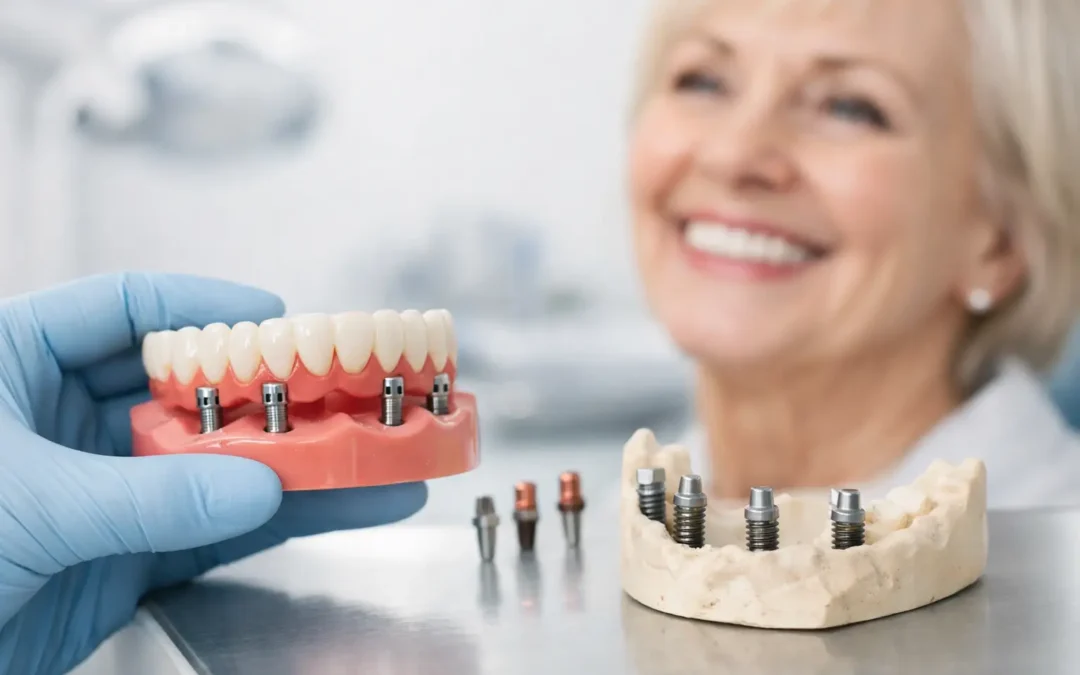
Losing most or all of the teeth in your upper or lower jaw changes more than your smile. It can affect the way you eat, the way you speak, and the way you feel in everyday conversations. If you have been asking what is a full arch restoration, the short answer is this: it is a treatment designed to replace an entire row of missing or severely damaged teeth with a stable, natural-looking solution.
For many patients, this option is about getting life back to normal. Meals feel easier. Smiling feels less self-conscious. And instead of managing one failing tooth after another, you can move toward a plan that restores your oral health in a more complete way.
What is a full arch restoration?
A full arch restoration replaces all the teeth in one dental arch, meaning either the upper jaw or the lower jaw. In some cases, patients need both arches restored. The treatment is commonly recommended when most teeth in an arch are missing, badly damaged, worn down, loose from gum disease, or no longer predictable to save.
Rather than treating each tooth separately, a full arch restoration looks at the entire picture. The goal is to rebuild function, appearance, and comfort across the whole arch. Depending on your needs, that restoration may involve implant-supported teeth, a full denture, or a fixed prosthetic that attaches to dental implants.
When people hear the term, they often think only about cosmetics. Appearance matters, but this treatment is also about bite support, chewing ability, jaw stability, and long-term oral health.
Who is a good candidate for full arch restoration?
This treatment is often a fit for adults who are dealing with widespread dental problems, not just one or two unhealthy teeth. You may be a candidate if you have multiple missing teeth, advanced tooth decay, broken teeth that cannot be restored predictably, or severe bone loss and gum disease that have made your natural teeth unstable.
It can also make sense for patients who already wear dentures but want more stability. Traditional dentures can shift, rub, or make chewing difficult. A full arch restoration may offer a more secure and comfortable solution, especially when implants are part of the treatment plan.
That said, candidacy depends on several factors. Your bone volume, gum health, general health, and treatment goals all matter. Some patients are ready for implant-based care right away, while others may need extractions, periodontal treatment, or bone grafting first. This is one of those situations where the right answer depends on your starting point.
How a full arch restoration works
The process starts with a comprehensive exam. Your dentist will assess the condition of your teeth, gums, jawbone, and bite. Digital imaging helps determine what can be saved, what should be removed, and which type of restoration gives you the best long-term result.
From there, your treatment plan is customized. If you still have failing teeth in the arch, they may need to be extracted. If you are a strong candidate for implants, a fixed full arch option may be recommended. This often involves placing a strategic number of implants in the jaw to support a complete set of replacement teeth.
Some patients qualify for same-day temporary teeth after implant placement. Others may heal first and receive their final restoration later. If implants are not the best choice, a conventional removable denture may still restore appearance and function, though it comes with different trade-offs.
A well-planned full arch case is never just about filling space. It is about creating a bite that feels balanced, teeth that look proportional to your face, and a result you can maintain with confidence.
Full arch restoration options
There is no single version of this treatment. The best option depends on your oral health, budget, goals, and how much stability you want.
Implant-supported full arch restoration
This is one of the most popular choices for patients who want a secure, long-term solution. A full set of prosthetic teeth is supported by dental implants placed in the jawbone. Because the implants act like artificial tooth roots, the restoration tends to feel more stable than a removable denture.
This option can improve chewing strength and help preserve bone over time. Many patients also prefer that it looks and feels closer to natural teeth.
All-on-4 or similar full arch implant solutions
Some full arch restorations use a system like All-on-4, where a limited number of implants support a full arch of replacement teeth. This approach can be effective for patients who want a fixed solution and may not have enough bone for a larger number of implants.
It is not automatically the right answer for everyone, but it can be life-changing for the right candidate. Careful planning is what makes the difference.
Traditional full dentures
Dentures can replace a full arch without surgery. They are usually more affordable upfront and may be appropriate for patients who do not want implants or are not medically ready for them.
The trade-off is stability. Dentures can move, require adhesives, and may not deliver the same biting power as implant-supported teeth. For some patients, they are a practical answer. For others, they are a temporary step toward a more stable restoration later.
Benefits of a full arch restoration
The biggest benefit is that it treats the problem as a whole instead of patching it one tooth at a time. When most of the teeth in an arch are failing, a full arch plan can be more efficient, more predictable, and more satisfying in the long run.
Patients often notice better chewing, clearer speech, and a major improvement in smile appearance. There is also the emotional side of treatment. Many people feel embarrassed by missing or damaged teeth, and restoring the full arch can bring back a sense of ease in social and professional settings.
Implant-supported options add another advantage by helping maintain jawbone support. When teeth are missing for too long, the bone can shrink. Replacing an entire arch with implant support may reduce that problem compared with a removable option alone.
What to expect during recovery
Recovery depends on the kind of restoration you receive. If your treatment includes extractions or implant placement, you can expect some swelling and tenderness early on. Most patients manage this period well with medication, rest, and close follow-up.
You may need to follow a softer diet while healing, especially if temporary teeth are in place. Final restorations are typically delivered after the tissues have stabilized and the implants have integrated properly, if implants are part of your care.
Adjustment is normal. Even when teeth look beautiful right away, your mouth needs time to get used to a new bite and new contours. A good dental team will monitor fit, comfort, and function closely.
That depends on the materials used, the quality of the treatment plan, and how well you care for it afterward. Dental implants can last many years, often much longer, when they are maintained properly. The prosthetic teeth attached to them may eventually need repair or replacement from normal wear.
Traditional dentures also require maintenance and may need relining or remaking as your mouth changes over time. No restoration is completely maintenance-free. Regular checkups, home care, and professional cleanings all play a major role in protecting your investment.
Why personalized planning matters
When patients search what is a full arch restoration, they are usually not just looking for a definition. They are trying to figure out whether this is the right next step for them. That answer should never come from a one-size-fits-all recommendation.
Some people need a fixed implant solution because they want the highest level of stability. Others need a phased approach that starts with urgent care, extractions, or temporary teeth. Budget matters too, and a good treatment plan should be honest about options, limitations, and timelines.
At United Dental Specialists, the focus is on creating a plan that matches your health needs, comfort level, and smile goals. That kind of personalized approach matters because full arch treatment is a major decision, and patients deserve clarity from the start.
If you are living with multiple missing teeth, loose teeth, or a smile that no longer feels dependable, asking the right question is a strong first step. Full arch restoration is not just about replacing teeth. It is about restoring comfort, confidence, and the ability to enjoy daily life again.
by Dr. David Bennett | Apr 27, 2026 | Uncategorized |
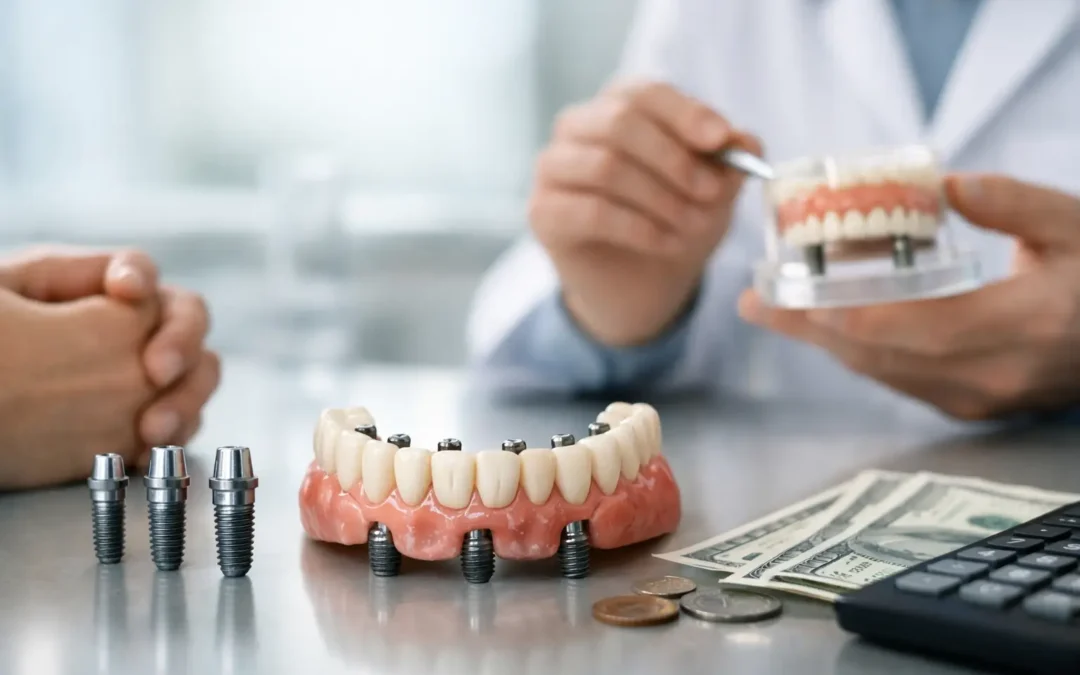
If you have several failing or missing upper teeth, price is usually one of the first questions you ask – and for good reason. Full top arch dental implants cost can vary widely, and the difference often comes down to more than just the implants themselves. The materials used, the condition of your bone, the number of visits, sedation, imaging, and the type of final teeth all play a role in the total investment.
For many patients, the upper arch is also a little more complex than it first appears. Bone quality in the upper jaw is often softer than in the lower jaw, and some people need extra planning before treatment can move forward. That does not mean full-arch implants are out of reach. It means the best estimate comes from a real exam, clear imaging, and a treatment plan built around your mouth rather than a one-size-fits-all quote.
What is included in full top arch dental implants cost?
When people hear one price online, they often assume it covers everything from start to finish. Sometimes it does. Often, it does not.
A full top arch implant case may include the consultation, digital scans, extractions of remaining damaged teeth, temporary teeth, implant placement, sedation, follow-up visits, and the final fixed prosthesis. In other offices, those services are priced separately. That is why two estimates that sound similar at first can end up being very different once you look closely.
The final teeth also matter. A temporary arch is not the same as a long-term final restoration. Some final prosthetics use acrylic over a supportive frame, while others use stronger and more aesthetic materials such as zirconia. The more durable and natural-looking the final result, the more the overall investment can increase.
Typical price range for a full upper arch
In the US, full top arch dental implants cost often falls somewhere between $20,000 and $40,000 or more for one arch. That is a broad range because treatment can be relatively straightforward for one patient and significantly more involved for another.
A case on the lower end may involve fewer extra procedures, a simpler surgical plan, and a less expensive final prosthesis. A case on the higher end may include complex extractions, bone grafting, sinus-related considerations, higher-end restorative materials, or additional implant support.
If you see a very low advertised number, ask what is actually included. Some promotions cover only a portion of treatment, such as implant placement, but not the temporary bridge, final teeth, sedation, or imaging. A lower starting price is not necessarily a bad sign, but it should be explained clearly.
Why upper arch implant treatment can cost more
The upper jaw presents its own planning challenges. Compared with the lower jaw, the bone in the upper arch can be less dense, which may affect implant stability and the surgical approach. The location of the sinus also matters. In some patients, reduced bone volume in the back of the upper jaw limits where implants can be placed or whether grafting is needed.
That does not mean every upper arch case is complicated. Many patients are candidates for efficient full-arch solutions such as All-on-4 or related concepts that strategically place implants to support a full fixed set of teeth. But the upper arch still requires careful imaging and experience, and those factors are part of the value you are paying for.
The biggest factors that affect cost
The number of implants used is one major factor. Some full-arch cases are supported by four implants, while others may use five or six for added support depending on anatomy and treatment goals. More implants usually means a higher fee, but it can also create a stronger foundation in the right case.
The condition of your existing teeth and bone matters just as much. If damaged teeth need to be removed, if infection is present, or if grafting is needed to improve support, the fee can increase. Sedation can also affect the price, especially for patients who want a more comfortable surgical experience.
Then there is the restoration itself. A well-made final arch is a custom medical device, not an off-the-shelf appliance. It is designed to fit your bite, support speech, restore chewing function, and improve the appearance of your smile. More advanced materials and lab work generally raise the cost, but they may also improve longevity and aesthetics.
Traditional dentures usually cost much less upfront than a full-arch implant solution. For patients comparing immediate expenses only, dentures can look like the clear winner.
But the comparison changes when you think beyond the first payment. Dentures can shift, rub, limit chewing power, and require ongoing adjustments or replacement over time. They also do not stimulate the jawbone the way implants do. Implant-supported teeth are fixed in place, feel more secure, and often provide a more natural day-to-day experience.
That is why many patients see full-arch implants as a long-term quality-of-life decision, not just a dental purchase. The higher initial cost can make sense when the goal is better stability, confidence, and function.
How to compare quotes the right way
If you are meeting with more than one provider, compare the plan line by line instead of looking at the bottom number alone. Ask whether the quote includes the consultation, CBCT scan, extractions, sedation, temporary teeth, healing visits, and the final prosthesis. Ask what happens if additional treatment is needed after surgery.
It is also wise to ask who is planning and delivering each phase of care. Full-arch implant treatment depends on diagnostics, surgical precision, and restorative design working together. A lower fee may not feel like a bargain if it leaves out important steps or results in compromises you notice every day when you eat or smile.
Experience, technology, and communication matter here. You want a team that explains your options clearly, sets realistic expectations, and builds a plan around function as well as appearance.
Does insurance help with the cost?
Dental insurance may help with certain parts of treatment, but it rarely covers the entire cost of a full upper arch implant case. Some plans contribute to extractions, imaging, or parts of the prosthetic process. Others provide limited implant benefits or annual maximums that cover only a small portion of the total fee.
Because benefits vary so much, it helps to get a detailed breakdown before treatment starts. Financing is also common for full-arch implant care. Monthly payment options can make a larger treatment plan more manageable, especially for patients who want to move forward now rather than delay care while the condition worsens.
Is the cheapest option worth it?
Sometimes a lower-cost plan is perfectly reasonable. Other times, it reflects shortcuts in materials, planning, follow-up care, or final restoration quality. The goal is not to find the most expensive option or the cheapest one. It is to find a treatment plan that is appropriate, transparent, and built to last.
If you are considering full-arch implants, ask about the expected lifespan of the final teeth, how maintenance works, and what happens if repairs are needed later. Those questions can tell you a lot about the true value of the treatment.
For patients in Doral, Miami Lakes, and the surrounding area, a personalized consultation is the fastest way to get a real answer on cost. At United Dental Specialists, patients can learn what is driving their estimate, what options may reduce complexity, and which solution best supports comfort, appearance, and long-term oral health.
What to expect at your consultation
A good consultation should leave you with more clarity, not more confusion. You should understand whether you are a candidate for full-arch implants, what type of restoration is being recommended, how long treatment may take, and what your total cost includes.
You should also feel comfortable discussing your budget. That conversation matters. In many cases, there is more than one clinical path to a healthy and confident smile. One option may prioritize premium materials and long-term durability, while another may focus on balancing function, appearance, and affordability.
The best plan is the one that fits your needs and is explained honestly. If your upper teeth are failing, loose, or missing, getting answers now can help you avoid ongoing discomfort and repeated short-term fixes. A clear evaluation gives you something more useful than a generic online price – it gives you a real plan forward.
by Dr. David Bennett | Apr 26, 2026 | Uncategorized |
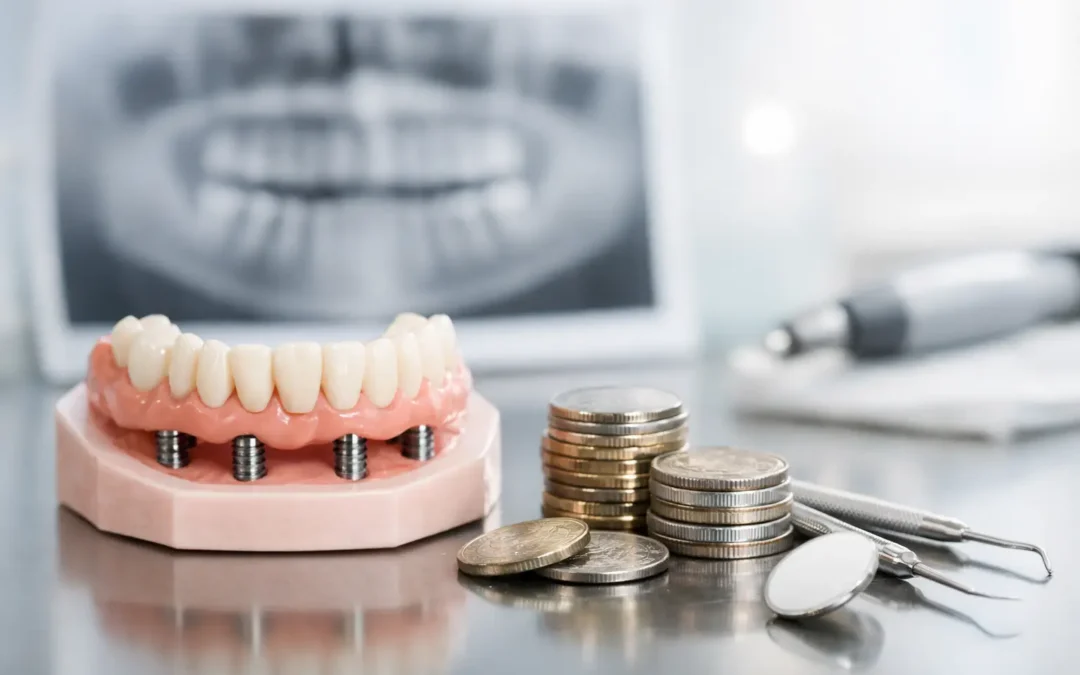
When patients ask about full arch restoration cost, they are usually asking two things at once: what will I pay, and what am I really getting for that investment? That is the right question. Replacing an entire upper or lower arch is not a one-size-fits-all service, and the final number depends on your oral health, the type of restoration chosen, and how much preparatory treatment is needed before implants are placed.
For many adults in Doral, Miami Lakes, and the greater Miami area, full arch treatment is about more than replacing missing teeth. It is about chewing comfortably again, speaking clearly, avoiding loose dentures, and feeling confident when you smile. Cost matters, but value matters just as much.
What Is Included in Full Arch Restoration Cost?
A full arch restoration replaces all teeth in the upper or lower jaw, usually with an implant-supported solution. In many cases, patients are considering options such as All-on-4 or a similar full-arch implant system. The treatment often includes more than the visible teeth you see at the end.
A complete plan may cover your consultation, digital imaging, treatment planning, tooth extractions if needed, implant placement, a temporary prosthesis, follow-up visits, and the final custom restoration. Some cases also involve sedation, bone grafting, or treatment for gum disease before implants can be safely placed.
This is why two patients can hear very different numbers for the same general procedure. One person may be ready for surgery right away. Another may need additional care first to create a healthy foundation.
Why Full Arch Restoration Cost Varies So Much
There is no honest flat price that fits every patient. A meaningful estimate has to reflect your anatomy, your goals, and the condition of the bone and gums.
Number of Implants Used
Some full-arch restorations are supported by four implants, while others may use five, six, or more. More implants can improve support in certain cases, but they can also increase the cost. The best design depends on bone volume, bite force, and long-term stability rather than price alone.
Type of Final Restoration
The material used for your final prosthetic teeth has a major impact on cost. Acrylic hybrids are often more budget-friendly, while zirconia restorations typically cost more because of their durability, appearance, and fabrication process. Patients often ask which is better, but the real answer is that it depends on your priorities, bite pattern, and budget.
Preparatory Dental Work
If damaged teeth need to be removed, or if infection, gum disease, or bone loss must be addressed first, those steps affect the total treatment fee. They are not extras in the casual sense. They are often what makes the restoration successful.
Imaging and Technology
Advanced planning tools such as 3D imaging and guided surgical techniques can add to the upfront cost, but they may improve precision and predictability. For many patients, that trade-off is worth it.
Provider Experience and Case Complexity
A straightforward case is different from a case involving severe bone loss, bite collapse, or a long history of dental problems. Complex treatment takes more planning, more clinical time, and often a more customized approach.
Typical Price Ranges Patients Can Expect
In the United States, full arch restoration cost often falls somewhere in the range of $15,000 to $35,000 or more per arch, depending on the treatment design and materials. In higher-cost markets or more complex cases, fees may go beyond that range.
That range is broad because it includes very different levels of care. A lower quote may reflect a more basic temporary-to-final process, fewer included services, or different prosthetic materials. A higher quote may include extractions, sedation, premium materials, advanced digital planning, and more post-operative support.
If you are comparing estimates, the key is not to focus on the top-line number alone. Ask what is included, what is temporary, what is final, and what would create additional fees later.
Full Arch Implants vs. Traditional Dentures
Patients often compare implant-supported full arch treatment with removable dentures because the price difference can be significant. Dentures usually cost less upfront, but they also come with trade-offs.
Traditional dentures can shift, rub, and reduce chewing efficiency. Over time, they may need relining or replacement as the jawbone changes. Implant-supported arches are a larger investment, but they generally offer better stability, function, and confidence in everyday life.
That does not mean implants are automatically the right choice for everyone. Some patients prefer a lower initial cost or may have medical factors that make a removable option more practical. The best plan is the one that fits both your health needs and your comfort level.
How to Compare Value, Not Just Price
A smart decision starts with understanding what you are buying. A lower fee is not always a better deal if it leaves out critical steps, uses less durable materials, or creates more future maintenance.
When reviewing a treatment plan, ask whether the quote includes the consultation, imaging, extractions, temporary teeth, final teeth, follow-up adjustments, and any sedation or grafting that may be required. It is also worth asking how many appointments are expected and how the office handles complications or repairs.
The quality of planning matters too. Full arch treatment is both surgical and restorative. It should restore function, appearance, and long-term comfort together. If the process feels rushed or the answers feel vague, that is a sign to ask more questions.
Does Dental Insurance Cover Full Arch Restoration Cost?
Insurance coverage varies widely. Many dental plans do not cover the full cost of implant-supported full arch treatment, but they may contribute toward portions of care such as extractions, imaging, or a prosthetic appliance. Some medical plans may also play a role in limited cases, though that is less common.
This is one of the biggest reasons patients benefit from a detailed consultation. An office can help break down what may be eligible for benefits, what will likely be out of pocket, and what financing options may help make treatment more manageable.
For many patients, monthly payment plans are what make treatment realistic. If full arch care would improve your health and daily function, it is worth asking about financing rather than assuming the procedure is out of reach.
Questions to Ask at Your Consultation
Cost conversations are easier when you know what to ask. Start with the total estimate, but do not stop there. Ask which type of restoration is being recommended, why it fits your case, and whether temporary and final teeth are both included in the quote.
You should also ask about timeline, healing, maintenance, and what happens if additional treatment is needed after imaging. If a lower-cost option is available, ask what you would be giving up in terms of materials, longevity, or comfort. A trustworthy provider should be able to explain trade-offs clearly, without pressure.
Is Full Arch Restoration Worth the Cost?
For many patients, yes. If you are dealing with multiple failing teeth, loose dentures, chronic discomfort, or embarrassment about your smile, full arch treatment can change daily life in a very real way. Eating becomes easier. Speech often improves. Many people feel more like themselves again.
At the same time, this is a major decision. It deserves careful planning and honest expectations. The right question is not simply whether the treatment is expensive. It is whether the outcome supports your health, confidence, and quality of life over the long term.
At United Dental Specialists, that conversation starts with understanding your needs, your goals, and your budget – then building a treatment plan that makes sense for all three.
If you are considering full arch restoration, do not let price alone make the decision for you. Get clear answers, look closely at what is included, and choose a team that treats your smile like a long-term investment in your health and confidence.

Recent Comments