by Dr. David Bennett | May 30, 2026 | Uncategorized |
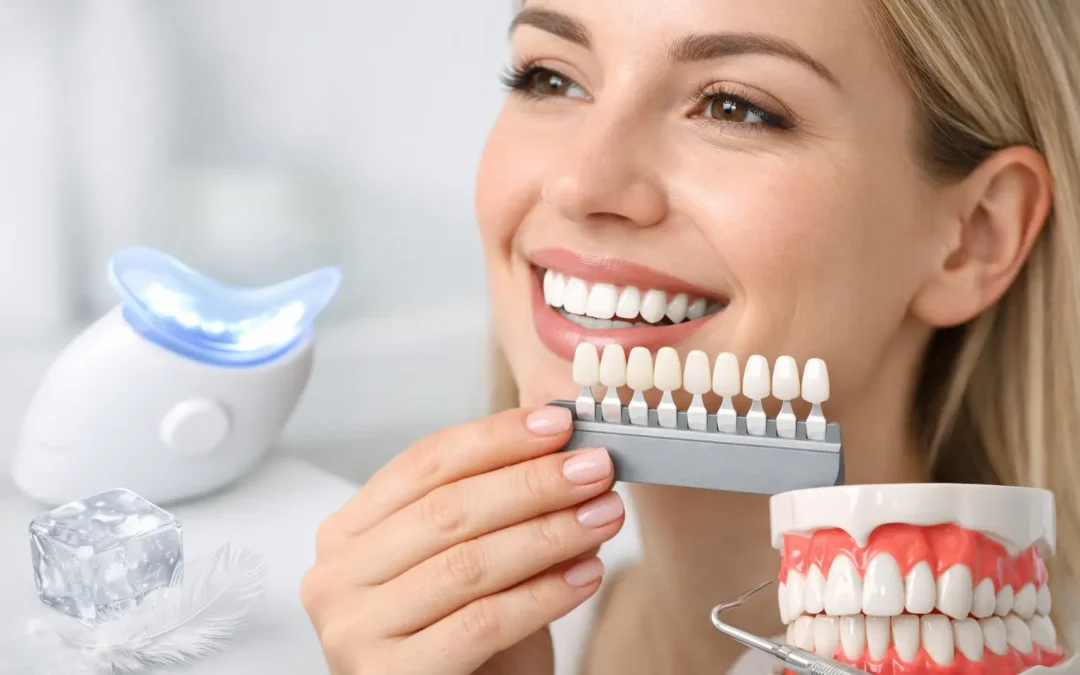
That quick zing when you sip something cold can make any whitening treatment feel like a bad idea. The good news is that teeth whitening for sensitive teeth is possible. It just needs a more careful approach, the right products, and realistic expectations about how fast your smile should brighten.
Sensitivity does not always mean you have to give up on cosmetic treatment. In many cases, it means you need to treat the cause of the sensitivity first, adjust the whitening method, or let a dentist guide the process. A whiter smile should never come at the cost of ongoing discomfort.
Why whitening can trigger sensitivity
Most whitening products use peroxide-based ingredients to lift stains from the enamel. As those ingredients work, they can temporarily irritate the tooth’s inner layer, especially if enamel is thin, gums have receded, or there are untreated dental issues. That is why some people feel sharp, short-lived sensitivity during or after treatment.
The level of discomfort varies. One person may notice mild tenderness for a day. Another may feel significant sensitivity from a product that is simply too strong or used too often. This is where the details matter. The concentration, the fit of whitening trays, the condition of your teeth, and how long the product stays on all affect the outcome.
Sensitivity can also be a sign that whitening is not the main issue. A cavity, worn enamel, cracked tooth, or gum recession can all make bleaching treatments feel much more intense. If your teeth are already reacting to cold drinks or brushing, it is worth having that checked before starting anything cosmetic.
Teeth whitening for sensitive teeth starts with the right diagnosis
The safest whitening plan begins with understanding why your teeth are sensitive in the first place. Some patients have naturally sensitive teeth. Others are dealing with enamel wear from grinding, acidic foods, aggressive brushing, or untreated decay. These situations do not call for the same whitening strategy.
A dental exam can make that distinction quickly. If the sensitivity is tied to a correctable problem, treating that issue first often makes whitening more comfortable and more effective. There is little value in whitening over active dental problems, because the process may increase discomfort and the final result may be uneven.
For many adults, this is the turning point. They assume whitening is off the table, when in reality they just need a more personalized plan. That may involve a lower-strength product, shorter wear times, desensitizing toothpaste, or in-office treatment with professional monitoring.
At-home vs. professional whitening for sensitive teeth
At-home whitening can work well for some patients with sensitivity, but not every over-the-counter product is a good choice. Whitening strips, pens, and one-size trays are convenient, yet they can be unpredictable. If the formula is too strong or the tray touches the gums, irritation becomes much more likely.
Professional whitening offers more control. A dentist can evaluate your enamel, protect the gums, choose an appropriate whitening strength, and adjust the treatment if sensitivity starts to build. That does not automatically mean in-office whitening is stronger in a bad way. In fact, a supervised treatment is often more comfortable than repeated trial and error at home.
Custom take-home trays from a dental office can be especially helpful for patients with sensitive teeth. Because the trays fit closely, the gel stays where it should and the whitening process tends to be more even. Patients can also follow a slower schedule, which often reduces post-treatment sensitivity.
What makes a whitening option more sensitivity-friendly
For patients trying to choose the best method, the goal is not simply the fastest result. The better question is how to whiten safely while keeping teeth comfortable enough to continue treatment.
Lower peroxide concentration is often easier to tolerate, though it may take longer to reach the shade you want. Shorter application times can also help. Some people do better whitening every other day rather than daily, especially in the first week.
Products that include desensitizing ingredients may offer an advantage. Potassium nitrate and fluoride are commonly used to calm the nerve response and support enamel. Using a sensitivity toothpaste for one to two weeks before whitening can also make a noticeable difference.
Technique matters just as much as product choice. Leaving whitening gel on longer than directed will not always produce better results, but it can increase discomfort. So can layering multiple products at once, such as strips plus whitening toothpaste plus a mouth rinse. More is not better when your teeth are already reactive.
When whitening should wait
There are times when the best whitening decision is to pause. If you have active cavities, inflamed gums, exposed roots, recent dental work, or a broken tooth, whitening should usually wait until those issues are treated. This is not just about comfort. It is also about protecting your oral health and avoiding a result that looks uneven.
It is also worth remembering that whitening does not change the color of crowns, veneers, fillings, or bonding. If you have visible dental work in your smile zone, your dentist may recommend whitening first and then matching any restorations afterward. For patients who want a more dramatic cosmetic improvement, veneers or bonding may be a better fit than repeated whitening.
Pregnant patients, those with severe enamel loss, and anyone with chronic unexplained tooth pain should also speak with a dentist before starting whitening. A bright smile is a worthwhile goal, but it should always fit into a larger treatment plan that supports long-term oral health.
How to reduce sensitivity during whitening
If your dentist has confirmed that whitening is appropriate, a few simple adjustments can make the process much easier.
Start by using a toothpaste designed for sensitive teeth consistently, not just the day discomfort begins. Brush gently with a soft-bristled toothbrush and avoid overly abrasive whitening pastes. During treatment, take breaks if needed. Whitening over a longer period is often more successful than pushing through pain and having to stop altogether.
It also helps to avoid very cold drinks, highly acidic foods, and extreme temperatures right after whitening sessions. Teeth can be more reactive for a short time, and giving them a calm recovery window helps. If sensitivity lasts beyond a couple of days or feels severe, it is time to call your dentist rather than guessing your way through it.
In a professionally guided setting, there may be additional options, including fluoride treatments or desensitizing gels before or after whitening. These small steps can make a meaningful difference for patients who want cosmetic results without the usual discomfort.
What kind of results should you expect?
Teeth whitening for sensitive teeth can absolutely improve your smile, but the pace may be more gradual. That is not a drawback. A slower, better-tolerated treatment often gives patients a more positive experience and makes it easier to maintain results.
The final shade depends on the type of staining, your enamel, your habits, and whether you have existing restorations. Yellow-toned staining generally responds better than gray or deeply internal discoloration. Coffee, tea, red wine, and tobacco can all affect both how much whitening you need and how long the result lasts.
Maintenance also matters. Touch-up whitening done carefully and occasionally is usually better than waiting until stains build up and then trying to whiten aggressively. Regular cleanings, good brushing habits, and a personalized maintenance plan can help keep your smile brighter without triggering unnecessary sensitivity.
For patients in Doral, Miami Lakes, and nearby communities, professional guidance can take much of the guesswork out of the process. At United Dental Specialists, cosmetic care is approached with the same attention to comfort and long-term health as any other treatment. That matters when your goal is not just whiter teeth, but a smile that feels as good as it looks.
If your teeth are sensitive, whitening should be thoughtful, not rushed. The right plan can brighten your smile while protecting your comfort, and that balance is what makes the result worth it.

by Dr. David Bennett | May 28, 2026 | Uncategorized |
A cracked tooth at breakfast, a sudden swelling before work, or a crown that comes loose right before the weekend can turn an ordinary day into a stressful one fast. When you need a same day emergency dentist appointment, the goal is simple – get out of pain, protect the tooth if possible, and know exactly what to do next.
Dental emergencies are not always dramatic, but they do need quick attention. In many cases, acting the same day can mean the difference between a more conservative treatment and a more complex repair later. It can also prevent infection from spreading, reduce swelling, and help you avoid unnecessary time away from work, school, or family responsibilities.
When a same day emergency dentist appointment makes sense
Not every dental problem needs immediate treatment within hours, but many do. Severe tooth pain is one of the most common reasons patients call for urgent care. If pain is sharp, throbbing, keeps you awake, or gets worse when you bite down, that usually signals more than a minor irritation.
A same day emergency dentist appointment is also appropriate if you have facial swelling, bleeding that does not stop, a knocked-out tooth, a cracked or broken tooth, a lost filling or crown with significant pain, or signs of infection such as a bad taste in the mouth combined with swelling and tenderness. These issues can escalate quickly, especially when infection is involved.
There are also situations that feel urgent but may depend on symptoms. For example, a chipped tooth without pain may be able to wait a short time, while a chipped tooth with sensitivity or a sharp edge cutting your cheek should be evaluated sooner. A lost crown on a front tooth may be more urgent for appearance and function, while a lost crown on a back tooth can become urgent if the exposed tooth is painful.
What to do before you get to the office
The first step is to call as soon as the problem starts. A dental team can often tell you whether you should come in immediately, how to manage discomfort safely, and whether you need to head somewhere else first if the situation involves trauma beyond the tooth itself.
If a tooth has been knocked out, handle it by the crown, not the root. If it is dirty, rinse it gently with milk or saline if available. Do not scrub it. If possible, place it back into the socket carefully. If that is not realistic, keep it in milk and get to the dentist quickly. Time matters with knocked-out teeth.
For swelling, a cold compress on the outside of the face can help reduce discomfort. For bleeding, apply gentle pressure with clean gauze. If you have a broken tooth, try to save any pieces you find and bring them with you. If a crown or filling comes out, keep it if you can. Do not place aspirin directly on the gums, since that can irritate tissue.
Pain relief at home can help, but it should not replace prompt evaluation. Over-the-counter medication may reduce discomfort for a few hours, but it will not fix an infection, stabilize a fracture, or address the cause of the pain.
What happens during an emergency visit
One reason patients delay care is uncertainty about what the appointment will involve. In reality, the first priority is usually relief and stabilization. Your dentist will assess the area, review symptoms, take any necessary images, and identify the source of the problem. From there, treatment depends on what is found.
Sometimes the solution is straightforward. A loose crown may be recemented. A small fracture may be smoothed or repaired with bonding. A draining infection may require immediate intervention to reduce pressure and pain. If decay or infection has reached the nerve, root canal treatment may be recommended either right away or as the next step after emergency relief.
In other cases, the same-day visit is about protecting you and creating a clear plan. If a tooth is too damaged for a simple repair, the dentist may place a temporary restoration, manage pain, and talk through the best long-term option. That could include a crown, extraction, or replacement planning if the tooth cannot be saved.
This is where experience matters. Emergency care is not just about reacting quickly. It is about making sound decisions under pressure, preserving as much healthy structure as possible, and helping patients understand the next move with confidence.
Common emergency problems and how they are treated
Toothaches are often caused by deep decay, infection, cracks, or gum-related issues. Treatment can range from a filling to root canal therapy, depending on the cause. The key is that severe pain rarely resolves on its own.
Broken or cracked teeth vary widely. A minor chip may only need cosmetic bonding, while a deeper crack may require a crown or more advanced treatment. The sooner the tooth is examined, the better the chance of preventing the crack from worsening.
Abscesses and infections should always be taken seriously. Swelling, pressure, tenderness, or pus near the gums can indicate infection that needs immediate care. Antibiotics may be part of treatment in some cases, but they are often not the complete answer. The infected source usually still needs dental treatment.
Lost restorations, including fillings and crowns, may seem less serious at first, but the exposed tooth can become sensitive, shift, or break further. Replacing or securing the restoration promptly helps prevent a manageable issue from becoming a larger one.
Why speed matters, but judgment matters too
Patients sometimes assume that every painful issue means extraction, or that emergency treatment is only about temporary fixes. Neither is always true. Fast care often helps preserve teeth, not remove them. At the same time, not every problem can or should be permanently completed in one visit.
It depends on the condition of the tooth, the level of infection, and what will provide the best long-term outcome. A good emergency appointment balances urgency with clinical judgment. The right approach is the one that addresses immediate pain while protecting your future oral health.
That is especially important for adults who already have crowns, implants, bridges, veneers, or a history of restorative work. Emergency care should consider both the current problem and how today’s treatment affects the appearance, function, and durability of your smile over time.
Choosing the right office for a same day emergency dentist appointment
When you are in pain, convenience matters. So does capability. An office that offers comprehensive care can often do more than provide a quick patch. It can diagnose the issue thoroughly, relieve symptoms, and guide you into the appropriate follow-up treatment without unnecessary delays.
For patients in Doral, Miami Lakes, and nearby communities, that means looking for a dental team that is responsive, experienced with urgent cases, and equipped to handle both general and advanced restorative needs. If an emergency tooth ultimately needs a crown, root canal coordination, extraction, or replacement planning, it is helpful to have those options available in one trusted setting.
United Dental Specialists serves patients who want prompt attention without sacrificing quality. In an emergency, reassurance matters, but so does precision. Patients need to feel heard, seen quickly, and given a treatment plan that makes sense for both the immediate problem and the bigger picture.
When not to wait until tomorrow
If you have swelling, significant pain, trauma, or a tooth that has been knocked out, do not take a wait-and-see approach. The same is true if you have a fever along with dental symptoms, trouble biting, or pain that keeps intensifying. Delaying care can make treatment more involved and recovery less comfortable.
Even if the pain fades, the issue may still be active. Infections can temporarily drain and feel better before flaring again. Cracks can stop hurting and then split further. A tooth that seems manageable in the morning can become a much bigger problem by evening.
Getting a same day emergency dentist appointment is not about overreacting. It is about responding early enough to protect your health, your time, and in many cases, your natural tooth.
If something feels off, trust that instinct and make the call. Fast, professional care can bring relief quickly, and just as important, it can give you a clear path forward when the day has taken an unexpected turn.
by Dr. David Bennett | May 26, 2026 | Uncategorized |
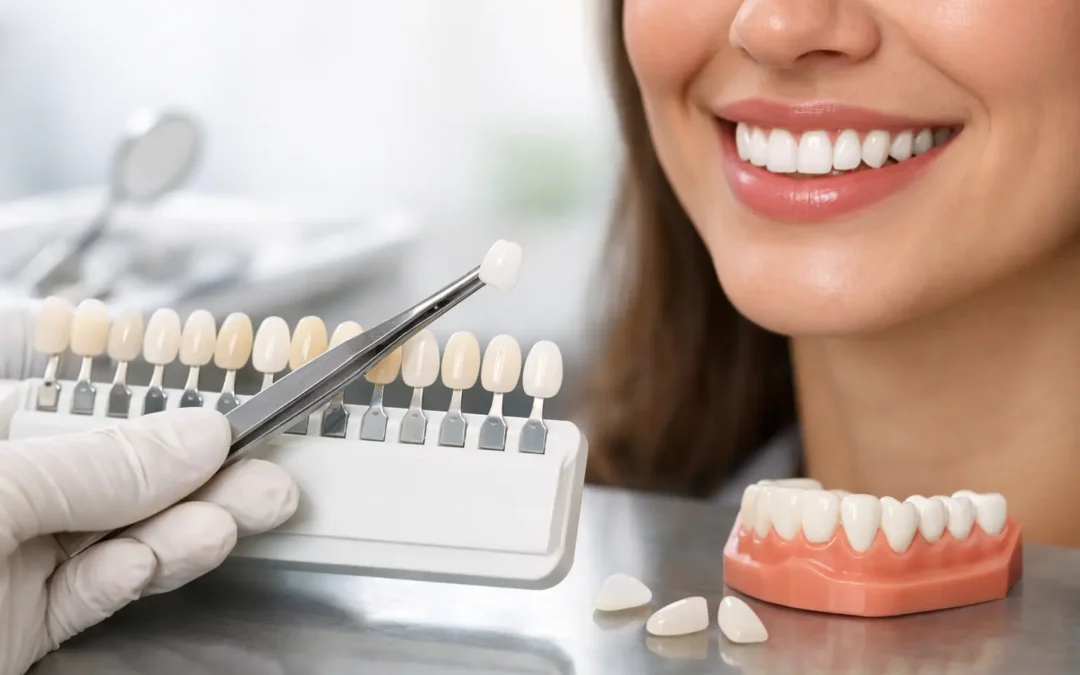
A smile can look healthy on paper and still feel like something you want to hide in photos. For many adults, that gap comes down to issues like stains that whitening cannot fully lift, small chips, uneven edges, or spaces that draw the eye. This guide to porcelain veneers is designed to help you understand what veneers can realistically fix, what they cannot, and how to decide whether they fit your goals.
Porcelain veneers are thin custom shells bonded to the front surface of the teeth, usually in the visible smile zone. Their purpose is cosmetic, but the impact often goes beyond appearance. When the shape, color, and balance of your smile improve, many patients also feel more comfortable speaking, laughing, and being seen up close.
What porcelain veneers actually do
Porcelain veneers are best thought of as a smile-refinement treatment, not a cure-all. They can improve the look of teeth that are discolored, slightly worn, mildly uneven, chipped, short, or separated by small gaps. They can also create a more symmetrical look when natural teeth vary in size or shape.
What makes porcelain especially appealing is how closely it can mimic natural enamel. Good veneers do not look flat or overly white. They reflect light in a way that gives the smile depth, which is one reason patients often choose porcelain over more temporary cosmetic options.
That said, veneers are not the right answer for every problem. If a tooth has significant decay, active gum disease, a major bite issue, or structural weakness, those concerns need to be addressed first. In some cases, orthodontic treatment, bonding, whitening, or crowns may be more appropriate.
Who is a good candidate in this guide to porcelain veneers
The best candidates usually have healthy teeth and gums and want to improve the visible appearance of their smile. You may be a strong candidate if your concerns are mostly cosmetic and your teeth have enough healthy structure to support veneers.
Lifestyle matters too. If you grind your teeth, clench your jaw, bite your nails, or use your teeth to open packaging, veneers may still be possible, but your treatment plan may need extra protection. A night guard, for example, can help preserve both natural teeth and veneers.
Your expectations matter just as much as your dental condition. Veneers can create a dramatic improvement, but the best results still look like you. A thoughtful treatment plan focuses on harmony with your face, gumline, bite, and existing features rather than chasing a one-size-fits-all smile.
The porcelain veneer process, step by step
The process usually begins with a cosmetic consultation and exam. This is where your dentist evaluates oral health, discusses what bothers you about your smile, and reviews whether veneers are the best fit. Photos, digital imaging, and shade discussions may be part of this stage so the final result feels personalized, not generic.
If you move forward, the teeth being treated are prepared. In many cases, this means removing a very thin layer of enamel from the front surface to make room for the veneer. The amount is conservative, but it is still an important step because veneers need space to sit naturally and avoid looking bulky.
After preparation, impressions or digital scans are taken so the veneers can be custom-made. Temporary veneers may be placed while your final restorations are being crafted. When the permanent veneers are ready, your dentist checks the fit, shape, color, and overall appearance before bonding them into place.
The bonding appointment is where precision matters. Small adjustments can make a major difference in how natural the veneers look and how comfortable they feel when you bite. Once bonded, the veneers become a stable part of your smile, though follow-up care is still essential.
How many veneers do you need?
This depends on your smile line and your goals. Some patients improve one or two teeth, while others choose a broader cosmetic update across the front six to ten upper teeth. If lower teeth show prominently when you speak or smile, they may be included as well.
There is no universal number that works for everyone. The right plan balances aesthetics, budget, and what will look consistent with your surrounding teeth. Sometimes a smaller, carefully designed case looks more natural than treating too many teeth unnecessarily.
Color, shape, and the natural look
One of the biggest concerns patients have is whether veneers will look obvious. They should not. The most attractive veneer cases are usually the ones people do not immediately identify as dental work.
Shade selection is not just about picking white teeth. Skin tone, lip shape, age, facial features, and the color of nearby teeth all influence what will look right. Very bright veneers can be beautiful, but only when they fit the person wearing them. The same is true for shape. Rounded edges, slight translucency, and subtle texture can make the final result look far more believable.
This is why planning matters so much. A cosmetic treatment should reflect your preferences, but it should also be guided by clinical judgment. Patients often come in asking for a perfect smile when what they really want is a confident, healthy-looking one.
How long do porcelain veneers last?
Porcelain veneers are durable, but they are not permanent in the sense of lasting forever without maintenance. Many last well over a decade with proper care. Longevity depends on the quality of the treatment, your bite, your habits, and how consistently you protect your teeth.
A person who keeps up with cleanings, wears a night guard when needed, and avoids damaging habits will usually get more life out of veneers than someone who grinds heavily and skips routine care. Even excellent veneers may eventually need replacement due to wear, gumline changes, or damage over time.
Cost and what affects the price
Veneer pricing varies because the treatment is highly customized. The number of teeth treated matters, but so do the materials used, the planning involved, and whether any other dental work is needed first. If whitening, gum treatment, or restorative care should happen before veneers, that changes the overall investment.
It helps to view veneers as part of a larger treatment plan rather than a simple cosmetic purchase. The goal is not just to place porcelain on teeth. The goal is to create a smile that looks right, functions well, and holds up over time. During a consultation, a clear breakdown of options can help you compare what is possible with your goals and budget.
Daily care after veneers
Veneers do not require complicated maintenance, but they do require good habits. Brushing twice a day, flossing daily, and keeping regular dental visits remain essential. The teeth underneath and around veneers still need protection from decay and gum problems.
Porcelain resists staining better than natural enamel, but that does not mean you can ignore care. Coffee, red wine, and tobacco can still affect the surrounding teeth and influence how even your smile appears over time. If you want your results to stay bright and balanced, routine maintenance makes a real difference.
If you are prone to grinding or clenching, protecting your veneers at night is especially important. A custom night guard can help prevent excess pressure that chips or shortens the life of cosmetic work.
Common concerns patients ask about
One common question is whether veneers damage your teeth. The honest answer is that veneer treatment usually involves removing a thin amount of enamel, so it is a permanent decision. That is why case selection and planning are so important. When done for the right reasons and on the right teeth, veneers can be a very effective long-term cosmetic solution.
Another concern is sensitivity. Some patients notice temporary sensitivity after preparation, but it often improves. The experience varies depending on the teeth involved and your baseline sensitivity.
Patients also ask whether veneers feel different. At first, they can. After a short adjustment period, well-designed veneers should feel smooth and natural in the mouth, not bulky or distracting.
Is this the right time for veneers?
If you have been thinking about changing your smile for years, timing usually comes down to readiness, not just appearance. The right time is when your teeth and gums are healthy, your goals are clear, and you are ready to invest in a solution that is both cosmetic and lasting.
For patients in Doral and Miami Lakes who want a more confident smile without guessing their way through treatment, a personalized cosmetic consultation is the best place to start. At United Dental Specialists, that conversation is meant to be straightforward and pressure-free, with attention to how you want your smile to look and how you want it to function.
A well-planned veneer case should not make you look like someone else. It should make you feel more like yourself every time you smile.
by Dr. David Bennett | May 24, 2026 | Uncategorized |
A missing tooth rarely stays a small problem for long. What starts as a gap in your smile can turn into trouble chewing, changes in speech, shifting teeth, and a steady loss of confidence. That is why understanding tooth replacement options adults can choose from matters so much. The right treatment can restore daily comfort, protect long-term oral health, and help you feel like yourself again.
For many adults, the best replacement is not simply the cheapest or fastest one. It depends on where the tooth is missing, how healthy the surrounding teeth and gums are, how many teeth need to be replaced, and what kind of result you want to live with for years. A thoughtful plan makes all the difference.
Tooth replacement options adults should know
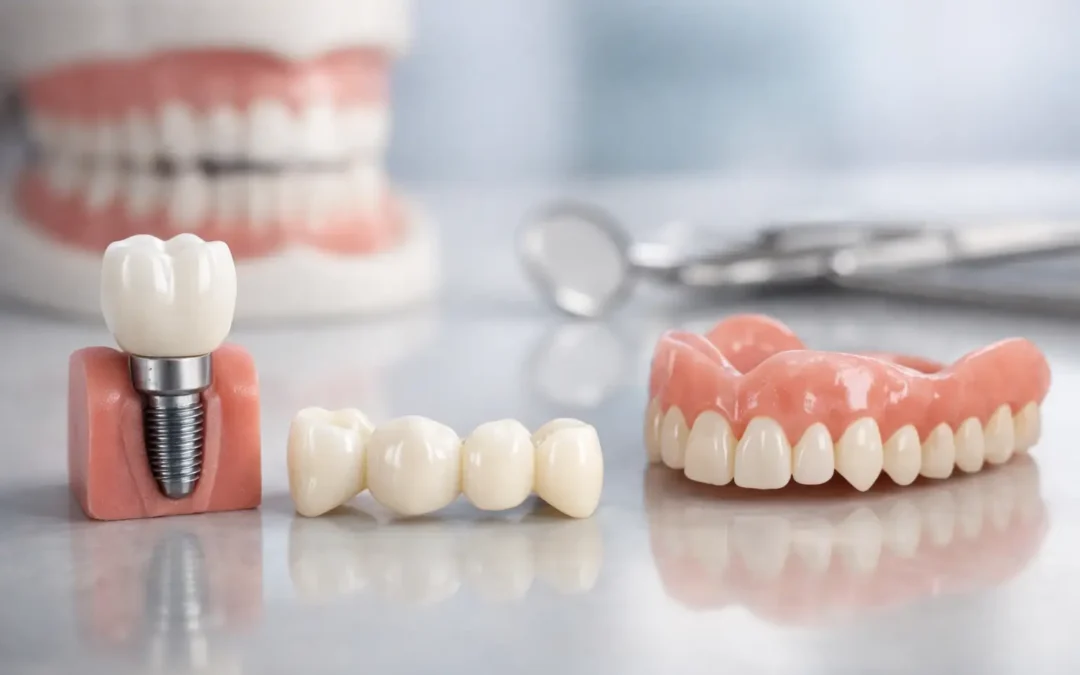
There is no one-size-fits-all answer for missing teeth. Some patients want the closest thing to a natural tooth. Others need a practical solution that fits a shorter timeline or a tighter budget. The most common options are dental implants, dental bridges, partial dentures, full dentures, and full-arch implant solutions such as All-on-4.
Each option solves the same basic problem in a different way. The trade-offs usually come down to stability, appearance, cost, treatment time, and whether nearby teeth need to be involved.
Dental implants
Dental implants are often the most natural-feeling option for replacing one or more missing teeth. An implant is placed in the jawbone to act like a tooth root, and a custom crown is attached on top. Because the implant stands on its own, it does not rely on neighboring teeth for support.
Adults often prefer implants because they look natural, feel secure, and help preserve bone in the jaw. That bone support matters. After a tooth is lost, the jawbone in that area can begin to shrink over time. Implants are the only common replacement option that helps stimulate the bone the way a natural tooth root does.
That said, implants are not automatic for everyone. You need healthy gums, enough bone support, and a commitment to good home care. The process also takes longer than getting a bridge or denture. If you want the most stable and long-term solution, though, implants are often worth a serious conversation.
Dental bridges
A dental bridge fills the gap by anchoring an artificial tooth to the neighboring teeth. This can be a strong, effective option when the teeth on either side already need crowns or have enough strength to support the bridge.
Bridges usually take less time than implants and do not require a surgical procedure. Many adults like that they are fixed in place and do not come out at night. They also restore appearance and chewing function well in the right case.
The trade-off is that a traditional bridge typically requires reshaping the adjacent healthy teeth. It also does not replace the root beneath the missing tooth, so it does not prevent bone loss in the same way an implant can. For some patients, that is a reasonable compromise. For others, it is the reason they choose implants instead.
Partial dentures
A partial denture is a removable appliance designed to replace several missing teeth. It can be a practical choice when multiple teeth are missing in different parts of the mouth, especially if a patient wants a lower upfront cost.
Modern partials can look better and feel more comfortable than many people expect. They can improve chewing, support facial appearance, and reduce the shifting of remaining teeth. They are also relatively easy to adjust or modify if dental needs change.
Still, removable appliances take getting used to. Some patients notice movement while eating or speaking, and some do not like taking them out for cleaning. A partial denture can be a very useful solution, but it tends to feel less natural and less secure than a fixed option.
Full dentures
When all teeth in the upper arch, lower arch, or both need to be replaced, full dentures remain a common treatment. They restore the appearance of a full smile and can improve speech and eating compared with having no teeth.
For adults who have extensive tooth loss, dentures can be the fastest path back to function. They are also more accessible financially than full-mouth implant treatment. In some cases, they are an important first step while a patient plans future restorative care.
The challenge is stability. Lower dentures in particular can shift because they rely on the gums and underlying bone for support. Over time, as the jawbone changes, dentures may need relining or replacement. For patients who want greater security, implant-supported dentures may be the better fit.
All-on-4 and implant-supported full-arch options
If you are missing most or all teeth in an arch, full-arch implant treatment can offer a major upgrade in comfort and confidence. In an All-on-4 approach, a full set of replacement teeth is supported by a small number of carefully placed implants.
This option appeals to adults who want a solution that feels more stable than removable dentures and delivers a fuller return to normal eating and speaking. It also tends to provide a very strong cosmetic result. For many patients, it is not just about replacing teeth. It is about restoring quality of life.
Not everyone is a candidate for the exact same full-arch approach, and cost is understandably part of the conversation. But for adults who want security, function, and a more fixed feeling, this category of treatment deserves close attention.
How to choose between tooth replacement options for adults
The best choice depends on your mouth, your goals, and your timeline. If you are replacing one tooth and want the most natural long-term solution, an implant may be ideal. If you need a faster non-surgical option and the adjacent teeth already need treatment, a bridge may make sense.
If several teeth are missing, the decision becomes more personal. Some adults prioritize affordability and flexibility, which can make a partial denture appealing. Others care most about comfort and a fixed feel, which pushes implants higher on the list.
Your lifestyle matters too. If you travel often, speak publicly, work in a client-facing role, or simply want to forget the replacement is there, stability may matter more than anything else. If you are recovering from dental problems and need a phased plan, your dentist may recommend starting with one option and building toward another.
What patients often overlook
Many adults focus first on the visible gap, but the hidden effects of tooth loss are just as important. Missing teeth can change your bite, place extra pressure on remaining teeth, and affect the health of your jawbone and gums. Waiting too long can limit future treatment choices.
Comfort is another factor people underestimate. A restoration may look great in photos, but if it makes eating awkward or speaking feel unnatural, it may not feel like the right solution in daily life. That is why a personalized evaluation matters more than choosing based on price alone.
It is also worth thinking beyond the first appointment. Some options cost less upfront but may require more maintenance over time. Others involve a larger initial investment but offer better long-term stability. The right value is not always the lowest starting number.
Why a personalized consultation matters
Choosing tooth replacement should never feel like guessing. A proper exam looks at your oral health, bone support, bite, cosmetic goals, and budget together. That is how treatment becomes personal instead of generic.
At United Dental Specialists, adults in Doral, Miami Lakes, and the surrounding Miami area can explore replacement options with a team that focuses on both function and appearance. That matters because replacing a tooth is not only about filling space. It is about restoring comfort, protecting the rest of your smile, and helping you move forward with confidence.
If you have been putting off treatment, this is a good time to act. The best tooth replacement is the one that fits your life, protects your health, and gives you a smile you feel good using every day.
by Dr. David Bennett | May 22, 2026 | Uncategorized |
A cracked tooth at lunch, a swollen gum that keeps getting worse, a sudden jolt of pain that wakes you up at 2 a.m. – these are the moments when an emergency dentist appointment stops feeling optional. If you are dealing with dental pain, bleeding, trauma, or visible damage, fast care can make the difference between a simpler fix and a more serious problem.
Dental emergencies do not always look dramatic, and that is where people get stuck. Some patients wait too long because they hope the pain will pass. Others assume they need the ER when what they really need is a dental team that can diagnose the cause, relieve discomfort, and protect the tooth as quickly as possible.
What counts as an emergency dentist appointment?
An emergency dentist appointment is appropriate when you have symptoms that need prompt professional attention, especially if pain, swelling, infection, or injury is involved. Severe toothaches, broken teeth, knocked-out teeth, lost fillings or crowns with pain, gum abscesses, facial swelling, and bleeding that does not stop are all common reasons to call right away.
Not every urgent dental problem looks the same. A chipped tooth with no pain may be less time-sensitive than a cracked tooth that hurts when you bite. A lost crown can sometimes wait a short time if the area is stable, but not if the tooth underneath is exposed and sensitive. The key is not trying to diagnose it alone. If the condition is worsening, interfering with eating or sleeping, or causing swelling, it should be treated quickly.
Signs you should call the same day
Pain is one of the clearest signals, but it is not the only one. Pressure, throbbing, sensitivity that suddenly becomes intense, or pain with swelling can point to infection or internal tooth damage. Trauma from a fall, sports injury, or accident also deserves prompt evaluation, even if the tooth looks only slightly affected at first.
You should also seek same-day care if a permanent tooth has been knocked out or pushed out of position. Time matters in these cases. Fast treatment improves the chances of saving the tooth and reducing long-term complications.
Bleeding is another reason to call. If bleeding continues after applying gentle pressure, or if it follows an injury, do not wait. Ongoing bleeding may signal tissue damage that needs immediate care.
What to do before your emergency dentist appointment
The right first steps can help reduce pain and protect your mouth until you are seen. Rinse gently with warm water to clean the area. If there is swelling, use a cold compress on the outside of the cheek in short intervals. If a tooth has been knocked out, handle it by the crown rather than the root and keep it moist in milk or saliva if possible.
For a broken tooth, try to save any pieces and avoid chewing on that side. If you lost a filling or crown, keep the area clean and avoid very hot, cold, or sticky foods. Over-the-counter pain relief may help in some cases, but it should never replace an exam when symptoms are severe or getting worse.
There are also a few things to avoid. Do not place aspirin directly on the gums. Do not ignore facial swelling, fever, or a bad taste in the mouth, which can be signs of infection. And do not assume that if pain fades, the problem is solved. Dental infections and cracks can quiet down temporarily while the underlying issue continues.
Common problems treated during an emergency dentist appointment
Many patients think emergency dental care only covers extreme injuries, but urgent appointments often involve conditions that started small and escalated. A deep cavity can turn into severe pain. An old filling can fail without warning. Teeth weakened by grinding or prior dental work can crack during an ordinary meal.
Infections are also a major reason people seek immediate help. An abscessed tooth, swollen gums, or tenderness near the jaw can become serious quickly. Beyond discomfort, untreated infection can spread and affect overall health. That is one reason timely care matters so much.
Emergency visits may also address broken restorations, including crowns, bridges, and dentures, especially when they affect function or cause pain. For patients with cosmetic dental work, trauma to veneers or front teeth can feel urgent for both health and appearance reasons. In those cases, the goal is not only relief but protecting your smile and planning the right next step.
What happens during the visit
Most emergency appointments begin with a focused exam and digital imaging if needed. The priority is to identify the source of the problem quickly. Pain in one area can sometimes come from another tooth, the gums, or an infection below the surface, so a clear diagnosis matters.
From there, treatment depends on what is causing the emergency. You may need drainage of an abscess, a temporary or permanent restoration, re-cementing of a crown, stabilization of a damaged tooth, or a recommendation for root canal therapy or extraction. Some issues can be handled fully in one visit. Others require immediate relief first and a second appointment for complete treatment.
That does not mean the first visit is only a temporary patch. A well-managed emergency appointment should reduce pain, protect the area from further damage, and give you a clear treatment plan. Patients usually feel better not just because symptoms are addressed, but because they finally know what is happening and what comes next.
Why waiting can cost more than comfort
One of the most common reasons people delay care is hoping to avoid a bigger procedure. Ironically, waiting often increases that risk. A minor crack can deepen. Decay can reach the nerve. An infection that might have been treated early can lead to more extensive care.
There is also the everyday cost of waiting. Dental pain affects sleep, work, eating, and concentration. For busy adults and parents, that disruption adds up fast. Prompt treatment is not only about preventing complications. It is about getting back to normal life with less stress and less uncertainty.
Emergency dentist appointment vs. emergency room
This is a common point of confusion. In many dental emergencies, the best first call is a dental office, not the ER. Dentists are equipped to treat tooth pain, broken teeth, lost restorations, and many oral infections directly. An emergency room may help with pain control or swelling, but in most cases it will not provide definitive dental treatment.
There are important exceptions. If you have trouble breathing, trouble swallowing, uncontrolled bleeding, significant facial trauma, or swelling that seems severe and rapidly spreading, seek emergency medical care immediately. Those situations may go beyond standard dental treatment and need urgent medical attention first.
Choosing the right office when you need urgent care
When you need help fast, convenience matters, but so does capability. Look for a practice that offers prompt scheduling, modern diagnostic technology, and a broad range of services under one roof. That makes it easier to move from emergency relief to complete care without delays or confusion.
For patients in Doral, Miami Lakes, and nearby communities, that kind of continuity matters. A team that can address urgent pain and also support long-term restorative or cosmetic goals gives you a more complete path forward. At United Dental Specialists, emergency care is part of that bigger commitment to protecting comfort, function, and confidence.
When an emergency dentist appointment leads to bigger treatment decisions
Sometimes an urgent visit solves a short-term problem. Other times, it reveals a larger issue that has been building for months or years. A damaged tooth may need a crown after pain is controlled. A non-restorable tooth may lead to questions about implants or other replacement options. Repeated breakage can point to bite issues or grinding that should be addressed to prevent future emergencies.
That can feel overwhelming in the moment, but it can also be an opportunity. Once pain is under control, you can make thoughtful decisions about restoring your oral health and improving stability, appearance, and comfort long term. The best emergency care does not pressure you. It gives you answers, options, and a clear next step.
If something feels wrong in your mouth, trust that instinct. Dental problems rarely improve by being ignored, and quick care often means simpler treatment and faster relief. A timely call can protect more than a tooth – it can protect your time, your comfort, and your peace of mind.


Recent Comments