
The first few days after getting a dental implant can feel like a waiting game. You want the area to heal quickly, you want to eat normally again, and you want reassurance that what you’re feeling is actually normal. This guide to implant healing stages is meant to make that process easier to understand, so you know what to expect and when to check in with your dentist.
Healing after a dental implant does not happen all at once. It happens in phases, and each phase has a job. The gums need to close around the site, the bone needs to bond to the implant, and the surrounding tissue needs time to settle. Some patients feel almost back to normal within a few days, while others need a little longer. That difference is not unusual.
Why implant healing takes time
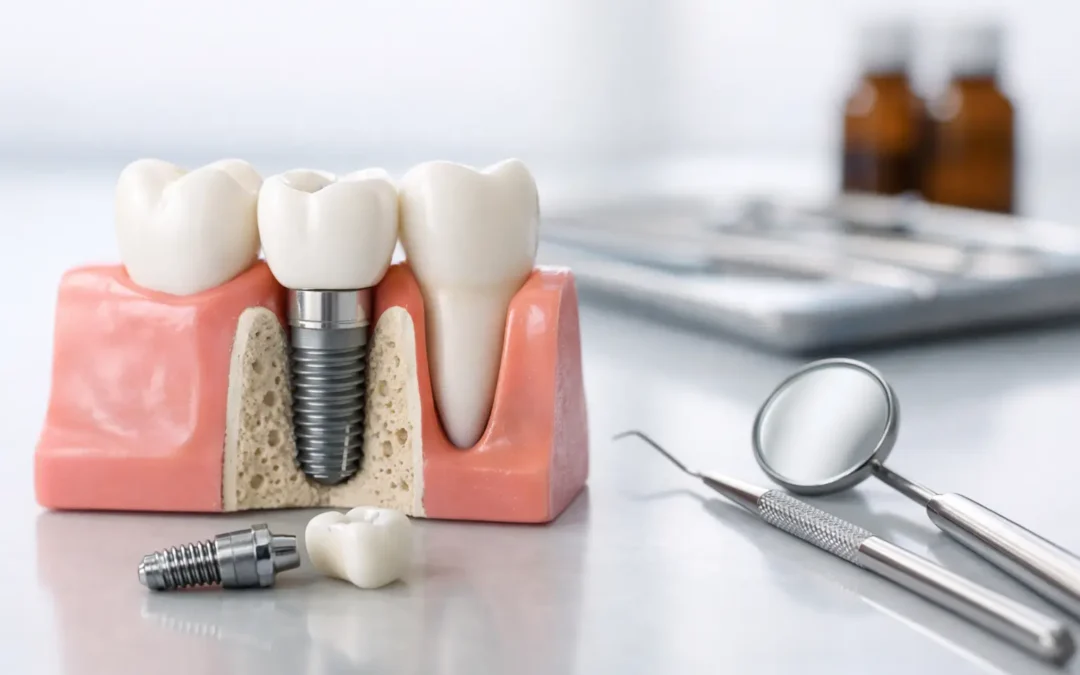
A dental implant is not just a replacement tooth. It is a small titanium post placed in the jawbone to act like an artificial tooth root. For the treatment to succeed long term, your bone has to fuse to that implant in a process called osseointegration. That is what creates the stable foundation for chewing, speaking, and smiling with confidence.
This is also why patience matters. You may feel better before the implant is fully healed, but the deeper healing continues beneath the surface. Rushing into hard foods, skipping follow-up visits, or ignoring aftercare instructions can slow the process or put the implant at risk.
A guide to implant healing stages by timeline
Stage 1: The first 24 to 72 hours
This is the immediate recovery period. Right after placement, it is normal to have mild bleeding, swelling, tenderness, and some soreness around the implant site. If you had a bone graft or multiple implants placed, those symptoms may be more noticeable.
Most discomfort is manageable with the medications or instructions your dentist provides. Cold compresses can help with swelling during the first day, and soft foods are usually the best choice. Think yogurt, smoothies, mashed potatoes, soup that is not too hot, scrambled eggs, or applesauce.
What matters most during this stage is protecting the site. Avoid smoking, drinking through a straw, forceful rinsing, or chewing directly on the implant area. Those habits can disturb the blood clot and irritate the tissue while it is trying to begin repair.
Stage 2: Days 3 to 7
By this point, many patients notice that swelling starts to improve and soreness begins to ease. The gums are still sensitive, but the area often feels more stable than it did on day one. You may still need to be careful with eating and brushing, but this is usually when people start feeling more comfortable returning to normal routines.
A white or slightly yellowish film over the gum can sometimes appear during healing and may simply be part of normal tissue repair. That said, severe pain, a bad taste that does not go away, increasing swelling, or pus are not normal signs. If symptoms worsen instead of improve, your dental team should evaluate the area.
Stage 3: Weeks 2 to 6
This stage is quieter, which can make it easy to think healing is done. In reality, the surface of the gum may look much better while the deeper bond between the implant and bone is still developing.
During these weeks, the soft tissue continues to mature. If stitches were used, they may dissolve or be removed based on the type your dentist placed. Most patients can expand their diet slowly, but the exact timing depends on where the implant is located, how stable it was at placement, and whether additional procedures were done.
This is often the stage where consistency matters more than comfort. Even if you feel fine, the implant site still needs careful home care and follow-up monitoring.
Stage 4: Months 2 to 6
This is the most important phase of implant healing. The jawbone is actively bonding to the implant, creating the support needed for long-term success. You usually cannot feel this process happening, but it is the reason dental implants can be so strong and durable once treatment is complete.
Not every patient heals on the same schedule. Some are ready for the next step sooner, while others need additional healing time. Factors like bone density, gum health, smoking, uncontrolled diabetes, teeth grinding, and whether a bone graft was needed can all affect the timeline.
If everything is healing well, your dentist can move forward with the next restorative step, which may include placing an abutment and final crown. For full-arch cases such as All-on-4, the sequence may look different because a temporary set of teeth is often placed earlier while the implants continue to integrate.
What normal implant healing feels like
A successful healing process is not always painless, but it should be steadily improving. Mild to moderate soreness, slight bruising, temporary swelling, and gum tenderness are all common early on. Some patients also notice that chewing feels different or that they are more aware of the implant area for a while.
Normal healing tends to move in the right direction. Each week should bring less irritation, not more. If pain suddenly increases after getting better, or if the implant starts to feel loose, that deserves attention right away.
What can slow down healing
Healing is partly biological and partly behavioral. Your body does a lot of the work, but your choices matter too.
Smoking is one of the biggest risk factors because it reduces blood flow and can interfere with both gum and bone healing. Poor oral hygiene can also create problems by allowing bacteria to collect around the implant site. Medical conditions that affect circulation or immune response may slow recovery as well.
There are also practical issues to consider. Chewing hard foods too soon, missing follow-up visits, or continuing to grind your teeth at night can place stress on the implant before it is ready. That does not mean complications are inevitable. It means personalized care instructions are worth taking seriously.
How to support each stage of healing
The best recovery plans are usually simple. Keep the area clean as directed, take medications exactly as prescribed, stick to soft foods early on, and avoid pressure on the implant site. If your dentist recommends a special rinse, use it consistently. When brushing, be gentle around the surgical area without neglecting the rest of your mouth.
Hydration, nutrition, and rest can also make a real difference. Healing tissue needs good blood flow and adequate nutrients. If you have a health condition such as diabetes, keeping it well managed can help support better implant outcomes.
It also helps to keep expectations realistic. Dental implants are designed for long-term function and appearance, but that strength comes from a process that cannot be rushed. Fast healing is nice, but stable healing is the goal.
When to call your dentist
Some discomfort is expected. Some warning signs are not. Call your dental office if you have heavy bleeding that does not stop, pain that gets worse after several days, fever, significant swelling that increases instead of fading, pus, a persistent foul taste, or an implant that feels mobile.
You should also reach out if something simply feels off. Patients often worry about bothering the office, but early evaluation is always better than waiting. A quick check can either reassure you or address a problem before it becomes more complicated.
The emotional side of healing matters too
Implant treatment is clinical, but the reason people choose it is personal. You want to eat comfortably, speak clearly, and stop thinking about the gap in your smile. During healing, it is common to feel impatient or even a little anxious, especially if you have waited a long time to replace a missing tooth.
That is why clear communication matters. A good implant experience is not just about placement day. It is about knowing what comes next, understanding the timeline, and feeling supported through each stage. At United Dental Specialists, that patient-first approach is part of helping treatment feel manageable, not overwhelming.
Healing after a dental implant is a process of progress, not perfection. If you give your mouth the time and care it needs, each stage brings you closer to a smile that feels strong, natural, and worth the wait.

Recent Comments