When patients ask about full arch restoration cost, they are usually asking two things at once: what will I pay, and what am I really getting for that investment? That is the right question. Replacing an entire upper or lower arch is not a one-size-fits-all service, and the final number depends on your oral health, the type of restoration chosen, and how much preparatory treatment is needed before implants are placed.
For many adults in Doral, Miami Lakes, and the greater Miami area, full arch treatment is about more than replacing missing teeth. It is about chewing comfortably again, speaking clearly, avoiding loose dentures, and feeling confident when you smile. Cost matters, but value matters just as much.
What Is Included in Full Arch Restoration Cost?
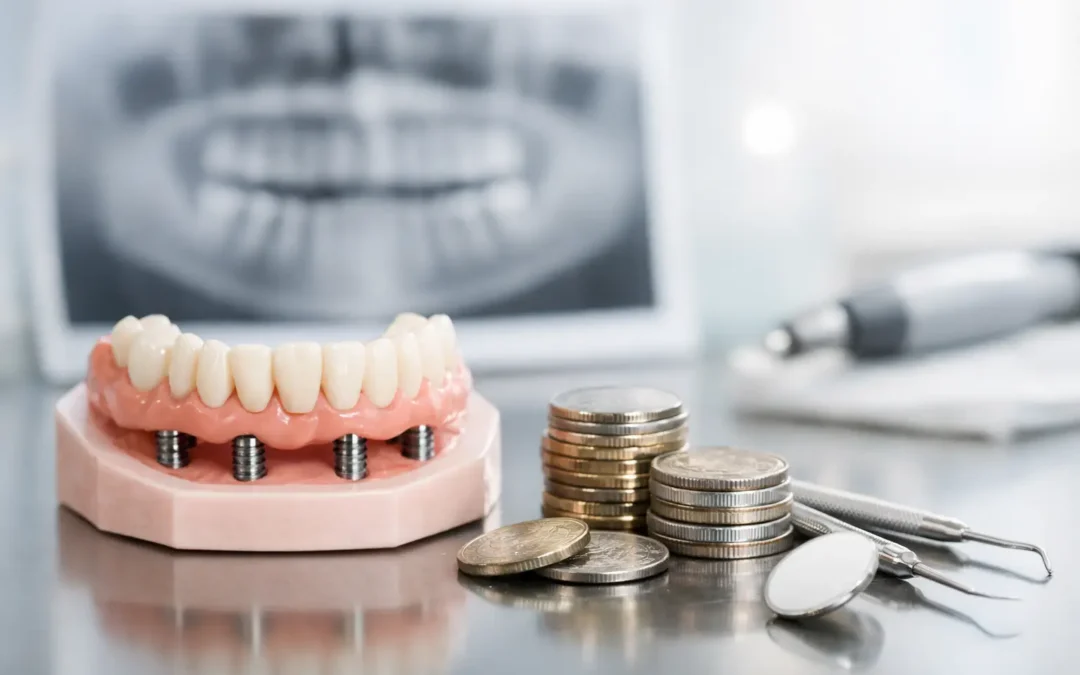
A full arch restoration replaces all teeth in the upper or lower jaw, usually with an implant-supported solution. In many cases, patients are considering options such as All-on-4 or a similar full-arch implant system. The treatment often includes more than the visible teeth you see at the end.
A complete plan may cover your consultation, digital imaging, treatment planning, tooth extractions if needed, implant placement, a temporary prosthesis, follow-up visits, and the final custom restoration. Some cases also involve sedation, bone grafting, or treatment for gum disease before implants can be safely placed.
This is why two patients can hear very different numbers for the same general procedure. One person may be ready for surgery right away. Another may need additional care first to create a healthy foundation.
Why Full Arch Restoration Cost Varies So Much
There is no honest flat price that fits every patient. A meaningful estimate has to reflect your anatomy, your goals, and the condition of the bone and gums.
Number of Implants Used
Some full-arch restorations are supported by four implants, while others may use five, six, or more. More implants can improve support in certain cases, but they can also increase the cost. The best design depends on bone volume, bite force, and long-term stability rather than price alone.
Type of Final Restoration
The material used for your final prosthetic teeth has a major impact on cost. Acrylic hybrids are often more budget-friendly, while zirconia restorations typically cost more because of their durability, appearance, and fabrication process. Patients often ask which is better, but the real answer is that it depends on your priorities, bite pattern, and budget.
Preparatory Dental Work
If damaged teeth need to be removed, or if infection, gum disease, or bone loss must be addressed first, those steps affect the total treatment fee. They are not extras in the casual sense. They are often what makes the restoration successful.
Imaging and Technology
Advanced planning tools such as 3D imaging and guided surgical techniques can add to the upfront cost, but they may improve precision and predictability. For many patients, that trade-off is worth it.
Provider Experience and Case Complexity
A straightforward case is different from a case involving severe bone loss, bite collapse, or a long history of dental problems. Complex treatment takes more planning, more clinical time, and often a more customized approach.
Typical Price Ranges Patients Can Expect
In the United States, full arch restoration cost often falls somewhere in the range of $15,000 to $35,000 or more per arch, depending on the treatment design and materials. In higher-cost markets or more complex cases, fees may go beyond that range.
That range is broad because it includes very different levels of care. A lower quote may reflect a more basic temporary-to-final process, fewer included services, or different prosthetic materials. A higher quote may include extractions, sedation, premium materials, advanced digital planning, and more post-operative support.
If you are comparing estimates, the key is not to focus on the top-line number alone. Ask what is included, what is temporary, what is final, and what would create additional fees later.
Full Arch Implants vs. Traditional Dentures
Patients often compare implant-supported full arch treatment with removable dentures because the price difference can be significant. Dentures usually cost less upfront, but they also come with trade-offs.
Traditional dentures can shift, rub, and reduce chewing efficiency. Over time, they may need relining or replacement as the jawbone changes. Implant-supported arches are a larger investment, but they generally offer better stability, function, and confidence in everyday life.
That does not mean implants are automatically the right choice for everyone. Some patients prefer a lower initial cost or may have medical factors that make a removable option more practical. The best plan is the one that fits both your health needs and your comfort level.
How to Compare Value, Not Just Price
A smart decision starts with understanding what you are buying. A lower fee is not always a better deal if it leaves out critical steps, uses less durable materials, or creates more future maintenance.
When reviewing a treatment plan, ask whether the quote includes the consultation, imaging, extractions, temporary teeth, final teeth, follow-up adjustments, and any sedation or grafting that may be required. It is also worth asking how many appointments are expected and how the office handles complications or repairs.
The quality of planning matters too. Full arch treatment is both surgical and restorative. It should restore function, appearance, and long-term comfort together. If the process feels rushed or the answers feel vague, that is a sign to ask more questions.
Does Dental Insurance Cover Full Arch Restoration Cost?
Insurance coverage varies widely. Many dental plans do not cover the full cost of implant-supported full arch treatment, but they may contribute toward portions of care such as extractions, imaging, or a prosthetic appliance. Some medical plans may also play a role in limited cases, though that is less common.
This is one of the biggest reasons patients benefit from a detailed consultation. An office can help break down what may be eligible for benefits, what will likely be out of pocket, and what financing options may help make treatment more manageable.
For many patients, monthly payment plans are what make treatment realistic. If full arch care would improve your health and daily function, it is worth asking about financing rather than assuming the procedure is out of reach.
Questions to Ask at Your Consultation
Cost conversations are easier when you know what to ask. Start with the total estimate, but do not stop there. Ask which type of restoration is being recommended, why it fits your case, and whether temporary and final teeth are both included in the quote.
You should also ask about timeline, healing, maintenance, and what happens if additional treatment is needed after imaging. If a lower-cost option is available, ask what you would be giving up in terms of materials, longevity, or comfort. A trustworthy provider should be able to explain trade-offs clearly, without pressure.
Is Full Arch Restoration Worth the Cost?
For many patients, yes. If you are dealing with multiple failing teeth, loose dentures, chronic discomfort, or embarrassment about your smile, full arch treatment can change daily life in a very real way. Eating becomes easier. Speech often improves. Many people feel more like themselves again.
At the same time, this is a major decision. It deserves careful planning and honest expectations. The right question is not simply whether the treatment is expensive. It is whether the outcome supports your health, confidence, and quality of life over the long term.
At United Dental Specialists, that conversation starts with understanding your needs, your goals, and your budget – then building a treatment plan that makes sense for all three.
If you are considering full arch restoration, do not let price alone make the decision for you. Get clear answers, look closely at what is included, and choose a team that treats your smile like a long-term investment in your health and confidence.

Recent Comments