
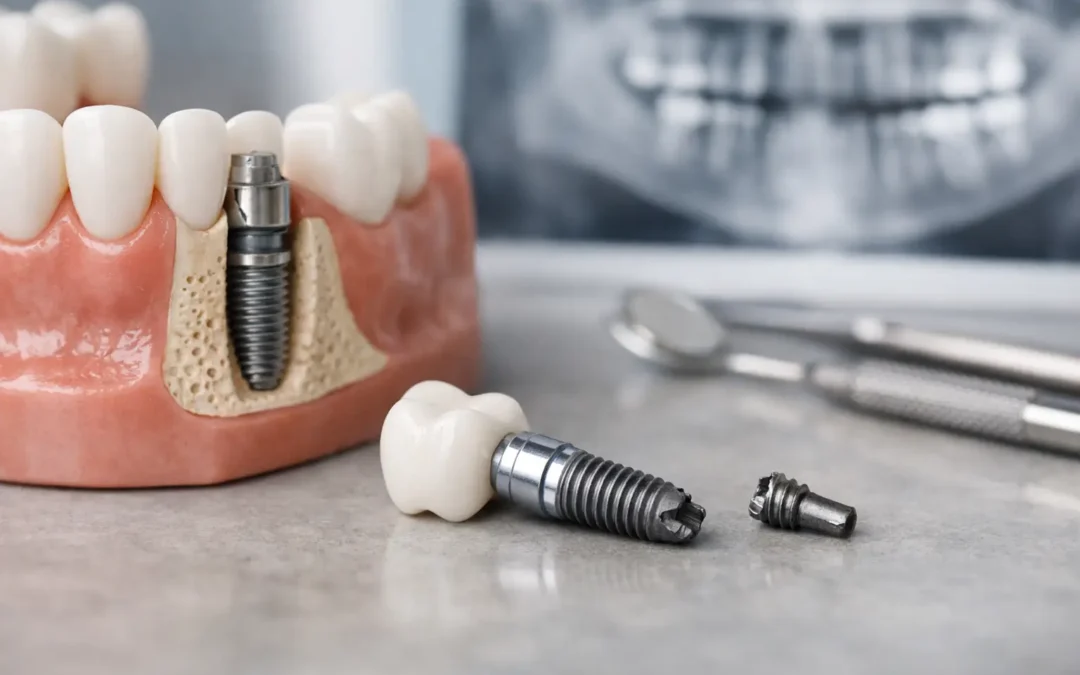
A dental implant is designed to be a long-term solution, so hearing that something went wrong can feel unsettling. The short answer is yes, can dental implants fail is a real question, and while failure is not common, it can happen. The more helpful answer is that implant problems usually have a reason behind them, and in many cases, they can be prevented or treated.
For patients in Doral, Miami Lakes, and the surrounding Miami area, this matters because dental implants are both a health investment and a confidence investment. You want them to feel stable, look natural, and last. Understanding what affects success can help you make better decisions before treatment and respond quickly if something does not feel right afterward.
Can dental implants fail after placement?
Yes, they can fail either soon after placement or years later. Early failure usually happens before the implant fully bonds with the jawbone. Late failure tends to happen after the implant has already been functioning well for some time.
That distinction matters because the causes are often different. An implant that never integrates with the bone may be affected by healing issues, infection, or lack of stability during recovery. An implant that fails later may be dealing with bone loss, gum disease around the implant, bite pressure, or wear on the restoration.
Even so, failure does not always mean the entire treatment was a mistake. Sometimes the implant itself is the issue. In other situations, the crown, bridge, or surrounding tissue is the problem while the implant remains healthy. A proper exam is what separates a true implant failure from a repairable complication.
Why dental implants can fail
Dental implants have high success rates, but success depends on planning, health history, bone support, and aftercare. This is why a personalized treatment plan matters so much.
One of the most common reasons for early failure is poor integration with the jawbone. The implant needs time to fuse with the bone in a process called osseointegration. If that bond does not happen correctly, the implant may feel loose or fail to support a restoration.
Infection is another major concern. Bacteria can affect the tissue around the implant, especially if oral hygiene is difficult or inflammation is already present. A more advanced form of this problem, often called peri-implantitis, can lead to bone loss and threaten the implant over time.
Smoking also raises the risk. Tobacco can slow healing, reduce blood flow, and make infection more likely. That does not automatically disqualify someone from treatment, but it does mean the conversation should be honest and the aftercare needs to be taken seriously.
Excess pressure can also create trouble. Grinding, clenching, or an imbalanced bite can overload an implant and the surrounding bone. This is one reason careful placement and restoration design are so important. The implant has to be in the right position, and the final tooth has to distribute force properly.
Then there are health and lifestyle factors. Uncontrolled diabetes, certain medications, autoimmune conditions, and poor oral hygiene can all affect healing and long-term stability. None of these automatically rules out implants, but they can change the treatment approach.
Signs a dental implant may be failing
Some implant issues are obvious, while others start subtly. If an implant feels loose, painful, or different from the way it felt before, it deserves attention.
A healthy implant should feel secure. It should not wobble when you chew or brush. If there is movement, that can point to a problem with the implant, the abutment, or the restoration.
Persistent discomfort is another warning sign. Mild soreness after surgery is expected, but pain that worsens, returns, or lingers beyond the normal healing window should be evaluated. Swelling, bleeding, pus, or a bad taste in the mouth can also suggest infection.
Changes in the gums matter too. Receding tissue around an implant, deep pockets, or redness that does not go away can signal inflammation. Some patients also notice trouble chewing or a bite that suddenly feels off.
Not every symptom means failure, but waiting rarely helps. The earlier a problem is diagnosed, the more options you usually have.
What causes late implant failure?
When an implant has been stable for years and then starts having problems, the cause is often related to the surrounding tissue rather than the original surgery alone. Bone loss is a leading factor. If the bone around the implant begins to shrink, support is reduced and the implant can become compromised.
Peri-implantitis is one of the most common reasons this happens. It is similar to gum disease around natural teeth, but around an implant. Plaque buildup, inflammation, and untreated infection can slowly damage the bone and soft tissue.
Nighttime grinding is another factor that is easy to underestimate. Even a well-placed implant can be stressed by repeated heavy force. A custom night guard may be recommended if clenching or grinding is part of the picture.
Restorations can wear down too. A loose crown or damaged component does not always mean the implant itself has failed, but it can create instability or allow bacteria to collect if left untreated. That is why long-term maintenance is part of implant care, not an extra.
Can a failed dental implant be fixed?
Often, yes. The next step depends on what actually failed.
If the issue is with the crown, abutment, or a loose component, the implant may still be healthy and the restoration can be repaired or replaced. If infection is caught early, treatment may focus on controlling bacteria, improving cleaning access, and protecting the surrounding bone.
If the implant itself has failed and cannot be saved, it may need to be removed. That sounds discouraging, but it does not always mean you are out of options. In many cases, the area can be treated, allowed to heal, and prepared for another implant later. Some patients may need bone grafting first to rebuild support.
This is where experience and planning make a difference. A failed implant case should not be approached with guesswork. The right evaluation looks at the implant, the bite, the gums, the bone, and your overall health before deciding what comes next.
How to lower the risk of implant failure
Good outcomes start before the implant is placed. A comprehensive consultation should assess bone quality, gum health, bite function, medical history, and whether any preparatory treatment is needed. Rushing past those details can create problems later.
After placement, follow healing instructions closely. That includes keeping the area clean, avoiding smoking, sticking to the recommended diet during recovery, and showing up for follow-up visits. Those appointments are not just routine. They help confirm that healing is progressing the way it should.
Long-term care matters just as much. Brush and floss consistently, keep regular dental cleanings, and let your dentist know if anything feels different. If you grind your teeth, wear the appliance recommended for you. If you have a condition like diabetes, keeping it well managed can support better healing and better implant stability.
For patients considering implants, choosing a provider with strong diagnostic technology and a personalized approach can make a real difference. At United Dental Specialists, that means looking at the full picture, not just the missing tooth.
When to call your dentist
If you have an implant and notice looseness, pain, swelling, gum changes, or trouble chewing, do not wait to see if it passes. Some issues are minor when they begin and harder to treat when they are ignored.
The good news is that dental implants remain one of the most reliable ways to replace missing teeth. Most patients do very well with them, especially when treatment is planned carefully and maintained properly. If you are worried about an existing implant or thinking about getting one, the best next step is a professional evaluation that gives you clear answers and a plan you can feel confident about.
A strong smile should feel dependable, and when something seems off, getting help early can protect both your oral health and your peace of mind.

Recent Comments