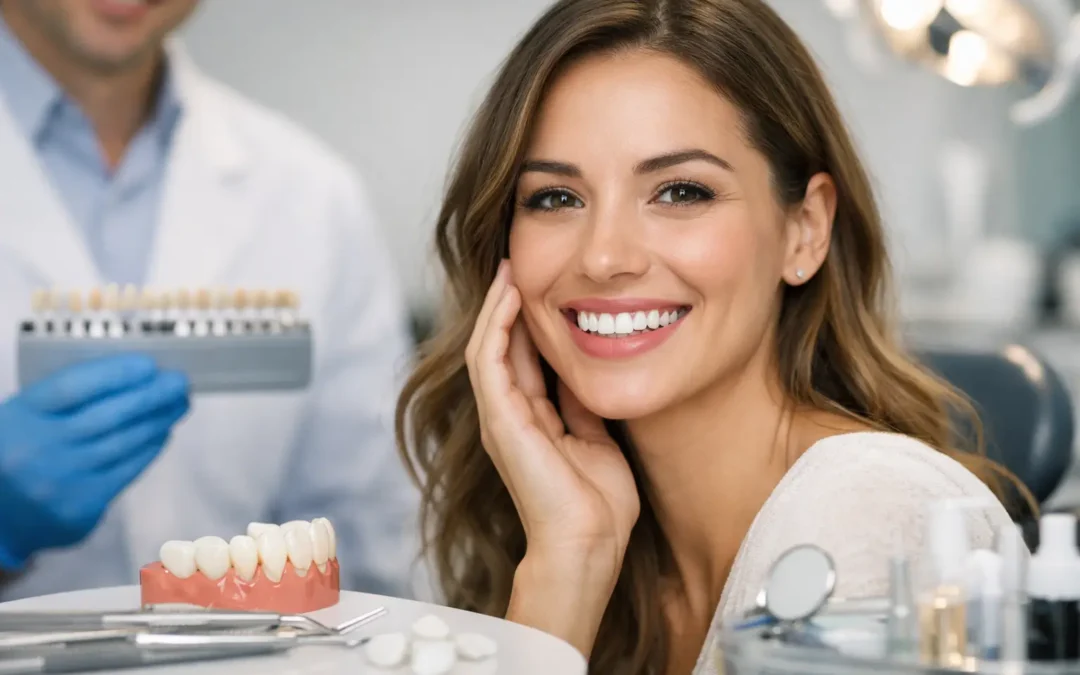
A smile can look healthy on paper and still feel like something you want to hide in photos, meetings, or conversations. That is usually where a cosmetic dentistry smile makeover starts – not with a single procedure, but with a clear discussion about what you want to change and what will make your smile feel like your own again.
For some patients, the concern is simple staining that whitening can improve quickly. For others, it is a mix of chipped teeth, worn edges, old dental work, uneven spacing, or missing teeth that affect both appearance and function. The right plan depends on your goals, your oral health, and how dramatic or subtle you want the result to be.
What a cosmetic dentistry smile makeover really means
A smile makeover is not one treatment. It is a customized combination of cosmetic and, in some cases, restorative care designed to improve how your smile looks and how comfortably it works.
That distinction matters. If a tooth is cracked, heavily worn, or missing, appearance is only part of the issue. A beautiful result also needs support from healthy gums, stable bite alignment, and restorations that hold up in daily life. The best cosmetic work is not just noticeable in the mirror. It should also feel natural when you eat, speak, and smile.
This is why a personalized consultation is so important. Two patients may both ask for a whiter, straighter smile, yet need very different treatment paths. One may be a great candidate for whitening and Invisalign. Another may need veneers, crowns, or implant treatment because the underlying problems are more complex.
Cosmetic dentistry smile makeover treatments
The most effective smile makeovers are built from treatments that solve specific concerns rather than chasing a one-size-fits-all look. Your dentist will usually look at color, shape, symmetry, spacing, tooth wear, gum display, and overall balance before recommending any changes.
Teeth whitening for a brighter starting point
Professional whitening is often the simplest way to refresh a smile. It can lift years of discoloration from coffee, tea, wine, smoking, and normal aging. If your main concern is dull or yellowed teeth, whitening may be enough to create a noticeable improvement.
It is also sometimes used before other cosmetic work so the surrounding natural teeth are brighter before veneers or crowns are matched. That said, whitening does not change the color of existing restorations, so patients with visible bonding, crowns, or veneers may need a more coordinated plan.
Porcelain veneers for shape, color, and symmetry
Veneers are thin porcelain shells placed on the front of teeth to improve color, shape, proportion, and minor alignment issues. They are a strong option for patients who want to correct multiple cosmetic concerns at once, especially when teeth are chipped, uneven, small, worn, or resistant to whitening.
Veneers can create dramatic changes, but they are not automatically the right answer for everyone. If the issue is mostly orthodontic, moving teeth may be healthier than covering them. If a tooth has major structural damage, a crown may provide better support. Good planning makes the difference between a smile that looks refined and one that looks overdone.
Invisalign for straighter alignment
Many adults want a better smile but do not want traditional braces. Invisalign can be an excellent part of a smile makeover when crowding, gaps, or bite issues are affecting the look of the smile.
Straightening teeth first can sometimes reduce the need for more invasive cosmetic work later. It may allow for more conservative bonding or fewer veneers because the teeth are already in a better position. The trade-off is time. Orthodontic treatment requires patience, so patients looking for a fast transformation may choose a different approach depending on their goals.
Dental bonding for small but meaningful changes
Bonding uses tooth-colored material to repair chips, close small gaps, and refine tooth shape. It is often a practical option for patients who want a cosmetic upgrade without the cost or commitment of veneers.
Bonding can produce beautiful results, especially for minor corrections. However, it is generally less stain-resistant and less durable than porcelain. For the right case, it is efficient and conservative. For heavier wear or more extensive design changes, porcelain may last better over time.
Crowns and implants when function matters too
Some smile makeovers need more than cosmetic enhancement. If teeth are broken down, missing, or structurally weak, crowns and dental implants may be essential to building a result that is both attractive and stable.
Implants are especially important when missing teeth affect your smile line, bite, and confidence. Replacing a missing tooth can restore balance to the smile while also protecting chewing function and supporting long-term oral health. In these cases, a smile makeover is about much more than appearance alone.
How a smile makeover plan is built
A strong treatment plan starts with listening. Before discussing materials or procedures, your dentist should understand what bothers you most, what you want to keep natural-looking, how quickly you want results, and what budget range feels realistic.
From there, the clinical side comes in. Teeth, gums, bite, jaw function, existing restorations, and overall oral health all influence what is possible. If gum disease, decay, or infection is present, those problems need to be addressed first. Cosmetic treatment works best on a healthy foundation.
Photos, digital imaging, and detailed exams help shape the plan. This step is where patients often feel relief. Instead of guessing which treatment they need, they get a clear path based on their actual smile, timeline, and priorities.
What patients often worry about
Most patients considering cosmetic treatment have the same few concerns. Will it look natural? Will it hurt? Will it last? Will I be pressured into more treatment than I need?
Those are fair questions. A good cosmetic dentist should be direct about what each option can and cannot do. Not every patient needs a full veneer case. Not every stain needs porcelain. Not every crooked smile needs comprehensive orthodontics. Sometimes the best plan is surprisingly simple.
Comfort is another common concern. Many cosmetic procedures are easier than patients expect, especially when treatment is phased properly and explained clearly. The key is having a team that prioritizes both clinical precision and patient comfort, so the process feels manageable from the first consultation forward.
Choosing results that fit your face, not a trend
The best smile makeovers do not all look the same. They should fit your facial features, skin tone, age, and personality. A bright, polished smile can still look natural. In fact, that is usually the goal.
Overly uniform shapes or shades can draw attention for the wrong reasons. Thoughtful cosmetic dentistry considers proportion, translucency, edge shape, and the way your smile moves when you speak and laugh. Small design decisions have a big effect on whether a result feels believable and flattering.
This is one reason many patients prefer working with a practice that offers comprehensive care under one roof. When cosmetic treatment is supported by restorative, implant, and general dentistry expertise, the final plan tends to be more complete and more practical.
Is a cosmetic dentistry smile makeover worth it?
If your smile affects how often you speak up, laugh openly, or show up confidently in your personal and professional life, the value is not purely cosmetic. Feeling comfortable with your teeth can change daily habits in ways patients notice immediately.
That said, the right investment varies from person to person. Some patients get exactly what they want with whitening and bonding. Others want longer-lasting transformation through veneers, Invisalign, or implants. There is no single correct level of treatment – only the level that matches your goals and oral health needs.
At United Dental Specialists, patients who want to improve their smile can start with a clear, personalized conversation about what is possible and what makes the most sense for them. That kind of planning helps take the uncertainty out of cosmetic treatment and turns it into a realistic next step.
If you have been thinking about changing your smile, the best place to start is not with assumptions about what you need. It is with an honest evaluation, a plan built around your priorities, and a team that cares just as much about comfort and function as the final appearance.

Recent Comments