
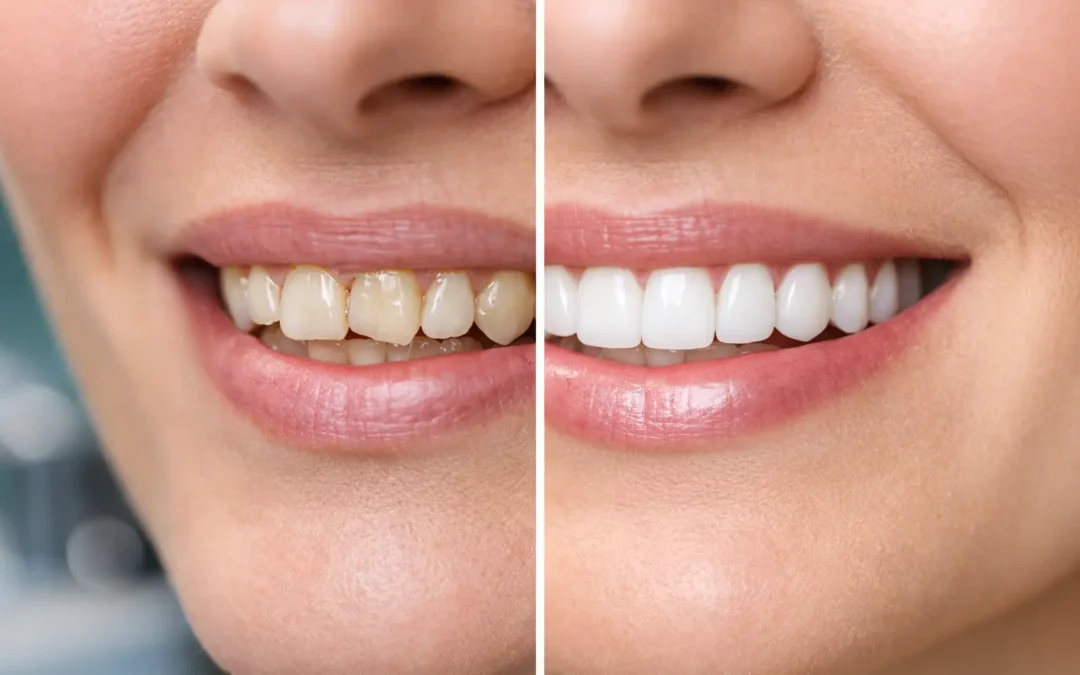
A mirror usually tells the story before anyone else does. Maybe it is a chipped front tooth, uneven spacing, stains that whitening never fully lifted, or teeth that look worn down in photos. When patients ask about porcelain veneers before and after, they are usually asking for more than cosmetic proof. They want to know whether the change will look natural, feel worth it, and fit their life.
That is the right question to ask.
Porcelain veneers can create a dramatic improvement, but the best results are not about making every smile look identical. They are about correcting the things that bother you while keeping your smile believable, balanced, and comfortable. The “before” matters just as much as the “after” because good planning is what makes the final result look effortless.
What porcelain veneers before and after really shows
Before-and-after photos are helpful because they show what veneers can address in a way words often cannot. Patients often notice teeth that look shorter, darker, uneven, slightly crowded, or visibly chipped in the before image. In the after image, the smile usually appears brighter, more symmetrical, and more refined.
But the real value of porcelain veneers before and after is not just the visible difference. It shows how multiple concerns can be improved at once. Veneers may help with discoloration that does not respond well to whitening, small gaps, minor shape issues, edge wear, and certain mild alignment concerns. For many adults, that means one treatment can create a more complete smile upgrade than trying to fix each issue separately.
It also helps set realistic expectations. Veneers can do a lot, but they are not the right answer for every cosmetic concern. If teeth are severely misaligned, if there is active gum disease, or if there is not enough healthy enamel, treatment may need to start somewhere else.
The before stage matters more than most people think
A strong veneer result starts with a healthy foundation. Before treatment begins, your dentist needs to evaluate more than color and shape. Bite alignment, gum health, enamel condition, and habits like grinding all affect whether veneers will look good and last well.
This is where personalized planning makes a major difference. Some patients want a brighter smile for work, social confidence, or upcoming events. Others want subtle changes that do not look obvious to friends or family. The right plan depends on your facial features, tooth proportions, lip movement, and overall oral health.
The best cosmetic dentistry does not chase a one-size-fits-all smile. It builds a smile that looks right on you.
If there are underlying issues such as decay, gum inflammation, or old dental work that needs attention, those problems should be handled first. That can feel like a delay, but it actually protects your investment. Cosmetic results last longer when the teeth and gums underneath are healthy.
What changes can veneers make?
Porcelain veneers are thin custom restorations placed on the front surface of teeth. They are designed to improve appearance while maintaining a natural look. In before-and-after cases, the changes are often noticeable in several ways at once.
Color is one of the biggest improvements. Teeth that appear deeply stained, patchy, or dull can look cleaner and more uniform. Shape is another. Teeth that look too small, uneven, flat, or worn can be reshaped for better balance. Veneers can also improve the appearance of minor spacing and certain small alignment issues, which may help a smile look straighter without full orthodontic treatment.
That said, there is a trade-off. Veneers improve the front-facing appearance of teeth, but they do not move roots or correct every bite problem. In some cases, Invisalign or another treatment may be the better first step if tooth position is the real issue.
What to expect during the process
Patients often imagine veneers as a quick cosmetic fix, but the process is careful and detail-driven. That is part of why good results look so polished.
The first step is a consultation. This is where you talk through what you want to change and what you want to keep. Some patients bring in photos of smiles they like. That can help, but your dentist will also guide you toward choices that fit your facial structure and natural tooth display.
Next comes smile design and preparation. A small amount of enamel is typically reshaped to make room for the veneers. Impressions or digital scans are taken so the veneers can be custom made. Temporary veneers may be placed while the final ones are being created.
When the final veneers are ready, they are checked for fit, shade, shape, and overall appearance before being bonded into place. This stage is where precision matters most. Even small adjustments can affect how natural the final smile looks.
For many patients, the emotional impact shows up immediately. They stop covering their mouth when they laugh. They smile in photos without thinking about it. They feel more polished in daily interactions. That confidence shift is often the biggest part of the after experience.
How natural should the after result look?
A natural result should still look like your smile – just improved.
That means the best veneers are not always the brightest possible white or the most dramatic shape change. In fact, overly opaque or oversized veneers can look less believable, especially in natural light. Most patients are happiest when their veneers complement their features rather than overpower them.
This is why shade selection matters. So does texture, contour, and the way light reflects off the porcelain. High-quality veneers do not just look white. They look lifelike.
For patients in image-conscious communities like Doral and Miami Lakes, that balance is especially important. You may want a smile that looks refreshed and elevated, but still professional, attractive, and authentic in everyday settings.
How long do porcelain veneers last?
Porcelain veneers are durable, but they are not maintenance-free. Longevity depends on the quality of the treatment, your bite, your habits, and how well you care for your teeth.
Many veneers last for years with proper care. Brushing, flossing, regular cleanings, and avoiding habits like chewing ice or opening packaging with your teeth all help protect them. If you grind your teeth at night, a night guard may be recommended.
The after phase is not just about enjoying the look. It is about protecting the result.
Patients should also understand that veneers may not be completely reversible because some enamel is usually removed during preparation. That is why planning matters so much. Veneers should be chosen because they are the right long-term solution for your goals, not because they sound trendy.
Who is a good candidate for veneers?
Good candidates usually have healthy teeth and gums and want to improve visible cosmetic concerns in the smile zone. Veneers can be an excellent option for adults with chips, stains, mild spacing, slight unevenness, or worn edges.
They may be less ideal if you have untreated cavities, significant bite issues, active gum disease, or heavy clenching that has not been addressed. Some patients are better served by whitening, bonding, crowns, or orthodontic treatment depending on the condition of their teeth.
This is why a cosmetic consultation should feel honest, not sales-driven. A trustworthy dental team will explain when veneers make sense and when another option may serve you better.
At United Dental Specialists, that kind of personalized planning is a big part of helping patients feel confident before treatment even begins.
Questions to ask when reviewing before-and-after cases
When you look at porcelain veneers before and after examples, do not only ask whether the after photo looks attractive. Ask whether it looks appropriate for that person. Does the smile fit the face? Do the teeth look proportional? Does the color look natural? Would you want that style on your own smile?
You should also ask what condition the teeth were in before treatment, whether any other dental work was needed first, and what kind of maintenance will be required afterward. These questions lead to better decisions than focusing only on dramatic photo transformations.
Cosmetic dentistry should feel exciting, but it should also feel clear.
The result patients often care about most
Yes, veneers can make teeth look whiter, straighter, and more even. But the result many patients talk about later is simpler than that. They feel more like themselves when they smile.
That is what makes the best before-and-after stories meaningful. Not just the change in the teeth, but the change in comfort, confidence, and ease. If you are considering veneers, the goal is not to copy someone else’s smile. It is to create a result that looks right, feels natural, and helps you stop thinking about what you want to hide.
A well-planned smile should not make you look different from who you are. It should make it easier to show up as yourself.

Recent Comments