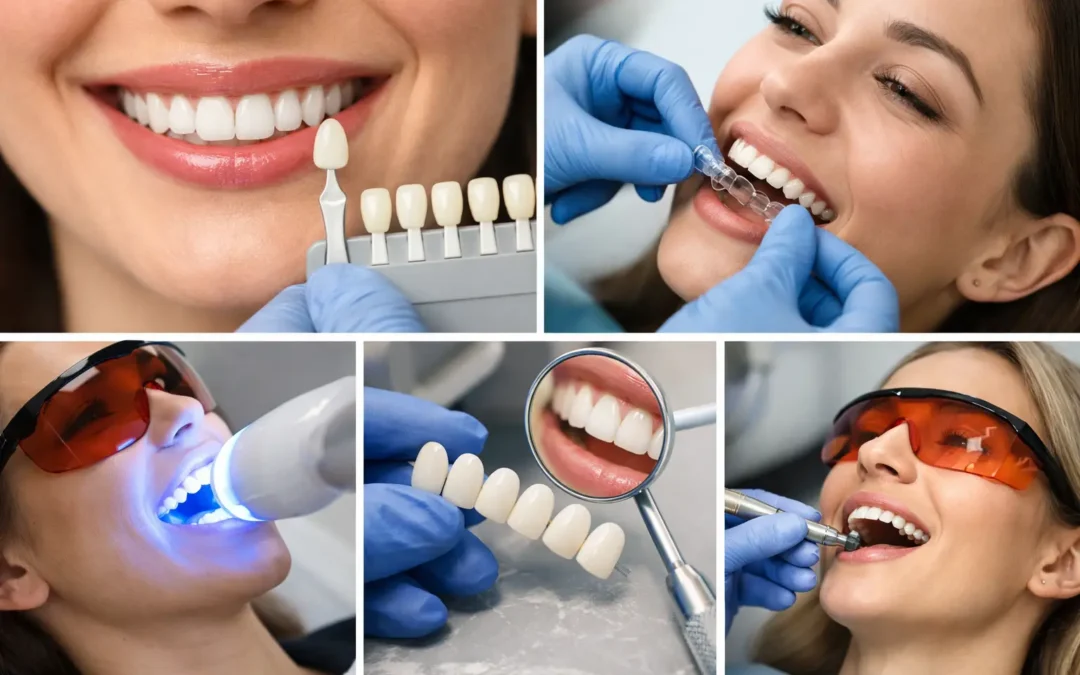
A brighter smile is not just about looks. For many patients, reviewing real examples of cosmetic dentistry is the first step toward feeling more confident at work, in photos, and in everyday conversations. The right treatment can improve appearance, but it can also correct wear, replace missing teeth, and make your smile feel more balanced and comfortable.
Cosmetic dentistry covers a wide range of treatments, and not all of them do the same thing. Some are designed for color, some for shape, and some for both appearance and function. That is why a personalized exam matters. What works well for one patient may not be the best fit for another, especially when budget, timeline, oral health, and long-term goals all come into play.
Common examples of cosmetic dentistry
When patients ask what counts as cosmetic dental care, they are usually thinking about obvious smile upgrades like whitening or veneers. Those are certainly part of it, but the category is broader than many people realize.
Teeth whitening
Professional teeth whitening is one of the most requested cosmetic treatments because it is simple, fast, and noticeable. It targets surface and deeper stains caused by coffee, tea, red wine, tobacco, and normal aging.
The main advantage is speed. In-office whitening can brighten teeth much faster than store-bought products, and custom take-home options offer more control than one-size-fits-all trays. The trade-off is that whitening does not change tooth shape, repair chips, or work on crowns and fillings. If discoloration is uneven or tied to older dental work, another treatment may create a better match.
Porcelain veneers
Veneers are thin porcelain shells bonded to the front of teeth to improve color, shape, size, and symmetry. They are often chosen by patients who want a more dramatic smile change and have concerns such as chips, gaps, worn edges, or stains that do not respond well to whitening.
Veneers can look very natural when they are carefully planned, but they do require thoughtful preparation. In many cases, a small amount of enamel is removed to help them fit properly. That means this is not usually the first option for every patient. If the goal is a subtle improvement and the teeth are otherwise healthy, bonding or whitening may be more conservative.
Dental bonding
Bonding uses tooth-colored resin to repair small chips, reshape teeth, close minor gaps, or improve the appearance of uneven edges. It is one of the most affordable examples of cosmetic dentistry and can often be completed in a single visit.
This option works especially well for small corrections. It is less invasive than veneers and can make a meaningful difference without extensive treatment. The trade-off is durability. Bonding can stain or wear faster than porcelain, so it may need touch-ups over time, especially for patients who bite their nails, grind their teeth, or drink a lot of coffee.
Invisalign and clear aligners
Straight teeth are often associated with orthodontics, but alignment is also a major part of smile aesthetics. Clear aligners such as Invisalign can improve spacing, crowding, and bite issues while offering a more discreet look than traditional braces.
Many adults prefer aligners because they are removable and easier to fit into a professional lifestyle. That said, they require consistency. If trays are not worn as directed, results can take longer or fall short. Clear aligners are also not the best solution for every complex bite issue, so an evaluation is important before deciding.
Examples of cosmetic dentistry that also restore function
Some treatments sit at the intersection of cosmetic and restorative care. They improve how a smile looks, but they also support chewing, speech, and long-term oral health.
Dental crowns
A crown is a custom cap placed over a damaged or weakened tooth. While crowns are often used for restorative reasons, they can also improve the appearance of misshapen, discolored, or heavily worn teeth.
Crowns are a strong option when a tooth needs more support than bonding or veneers can provide. They are often recommended after large fillings or fractures. The key difference is that a crown covers the whole visible portion of the tooth, making it more comprehensive but also more involved than surface-level cosmetic treatments.
Dental implants
Dental implants are one of the most complete solutions for missing teeth. They replace the tooth root and support a custom crown, helping restore both appearance and function. For patients with a visible gap in their smile, implants can make a major cosmetic difference while also preserving jawbone support.
Implants are popular because they feel secure and look natural, but they do require healthy bone and a longer treatment timeline than options like bridges or removable dentures. For the right candidate, though, they offer excellent long-term value. At United Dental Specialists, many patients exploring cosmetic improvements are surprised to learn that replacing a missing tooth often improves both confidence and oral health in a very practical way.
Implant-supported full arch solutions
When a patient is missing most or all teeth, cosmetic concerns are often tied closely to quality of life. Full arch implant solutions, including All-on-4 style treatment, can restore the appearance of an entire smile while improving stability and bite function.
This is a bigger step than single-tooth cosmetic care, but it can be life-changing for patients who have struggled with loose dentures, multiple failing teeth, or embarrassment about smiling. Because treatment is more advanced, planning is detailed and costs are higher. Still, for many people, the ability to smile, eat, and speak with confidence makes the investment worthwhile.
Tooth-colored fillings and replacing old metal fillings
Replacing dark or worn metal fillings with tooth-colored materials is another example of cosmetic dentistry that patients often overlook. While the main goal may be to repair decay or replace failing restorations, the visual improvement can be significant, especially in teeth that show when you laugh or speak.
Not every old filling needs to be replaced just for appearance. If it is functioning well, your dentist may recommend monitoring it rather than changing it. But when a restoration is cracked, leaking, or highly visible, a tooth-colored replacement can improve both health and aesthetics.
How to choose among examples of cosmetic dentistry
The best cosmetic treatment starts with the reason you want change. If your main concern is color, whitening may be enough. If you dislike shape, spacing, and uneven edges, veneers or bonding may make more sense. If you have missing teeth or failing dental work, implants or crowns may be the better path.
Timing matters too. Some patients want a quick improvement before a wedding, job interview, or major event. Others are willing to take a phased approach that begins with healthy gums and bite alignment before moving into cosmetic refinements. Neither approach is wrong. The right plan depends on your goals, oral health, and how long you want results to last.
Budget is another real factor, and it should be discussed openly. Cosmetic dentistry is not one-size-fits-all. A thoughtful dentist will explain where a lower-cost option can work well and where investing in a more durable treatment may save time and money later.
What to expect at a cosmetic consultation
A cosmetic consultation should feel clear and collaborative, not rushed. Your dentist will usually evaluate your teeth, gums, bite, existing dental work, and smile line, then talk through what you want to change. Photos, digital imaging, or shade comparisons may be used to show what is possible.
This is also the time to talk honestly about habits that affect results, such as smoking, teeth grinding, or inconsistent oral hygiene. Even the best cosmetic treatment needs a healthy foundation. If gum disease, cavities, or bite problems are present, those may need attention first to protect your result.
Patients often come in asking for one procedure and leave with a different recommendation. That is not a sales tactic when done properly. It is good treatment planning. A smile that looks beautiful but does not function well rarely stays that way for long.
Cosmetic dentistry works best when it respects both appearance and health. If you have been thinking about changing your smile, start by learning which option truly fits your needs, not just which one sounds the most dramatic. A confident result usually begins with a simple conversation, a careful exam, and a plan built around you.

Recent Comments