
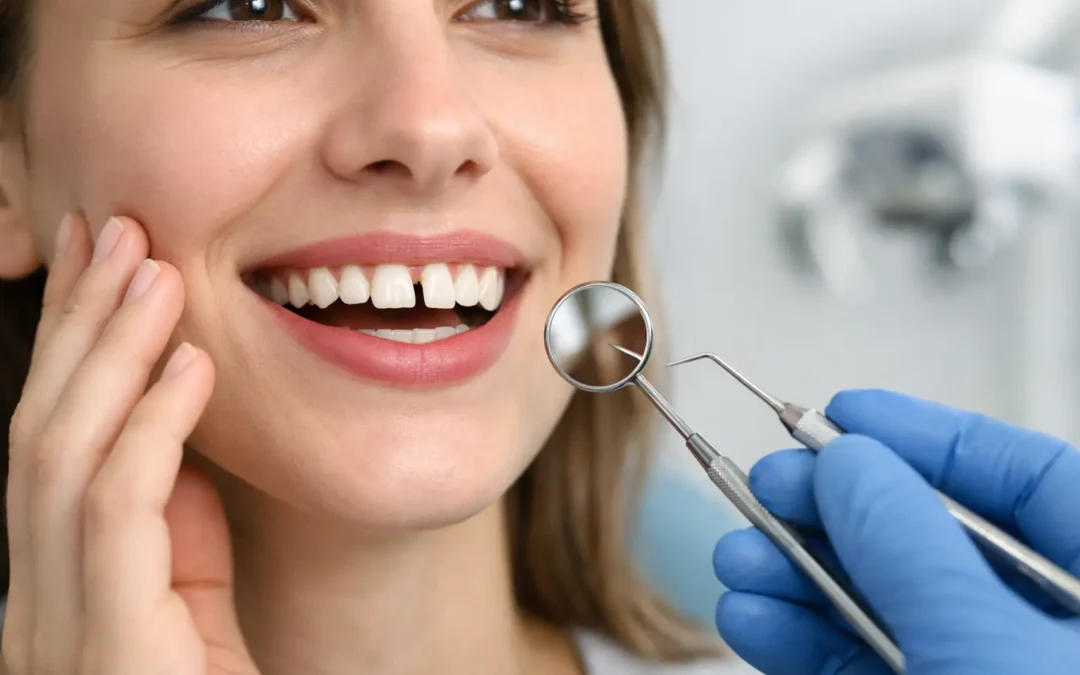
A chipped front tooth can change your whole day in seconds. Maybe you bit into something hard, took an elbow during a game, or noticed a small crack that suddenly became impossible to ignore in the mirror. If you are wondering how to fix chipped front tooth damage, the right answer depends on how deep the chip is, whether you have pain, and how quickly you can get it evaluated.
Front teeth matter for more than appearance. They help you bite, support clear speech, and shape the way your smile looks when you talk or laugh. That is why even a small chip deserves attention. Some cases are mostly cosmetic. Others involve exposed inner tooth structure, sensitivity, or a higher risk of further breakage if treatment is delayed.
How to fix chipped front tooth damage safely
The first step is not trying to repair it yourself. Store-bought temporary materials may seem convenient, but they can hide the problem without addressing the actual damage. A chipped tooth should be examined by a dentist so you know whether the enamel alone is affected or whether the dentin or nerve may be involved.
Until you are seen, rinse your mouth with warm water and avoid biting with that tooth. If the edge feels sharp, dental wax can help protect your lips or tongue. If there is swelling, a cold compress on the outside of the face can reduce discomfort. Over-the-counter pain relief may help, but persistent pain, bleeding, or a large missing piece should be treated as urgent.
If you saved the broken fragment, bring it with you. In some situations, the dentist may be able to use it as part of the repair. Even when that is not possible, seeing the size and shape of the missing piece can help guide treatment.
What treatment is used for a chipped front tooth?
There is no one-size-fits-all fix. The best treatment depends on the size of the chip, your bite, the health of the tooth, and how much of the front edge is missing. Cosmetic goals matter too, especially with front teeth where color and shape are highly visible.
Dental bonding for small to moderate chips
Dental bonding is one of the most common ways to repair a chipped front tooth. Tooth-colored resin is shaped directly onto the tooth and polished to blend with the surrounding enamel. For many patients, bonding is a fast and conservative option that can restore the look of the tooth in a single visit.
Bonding works especially well for minor chips and edge wear. It is more affordable than some other cosmetic treatments, but it is not as strong or stain-resistant as porcelain. If you grind your teeth, bite your nails, or use your front teeth to open packages, bonding may chip again sooner.
Veneers for cosmetic refinement
If the chip is part of a bigger cosmetic concern, such as uneven edges, discoloration, or shape differences, a porcelain veneer may be recommended. A veneer covers the front surface of the tooth and can create a very natural, polished result.
This option is often chosen when appearance is the main priority and the patient wants a long-lasting cosmetic improvement. The trade-off is that veneers usually involve more planning and tooth preparation than bonding. They are excellent for the right case, but they are not always the first choice for a very small, simple chip.
Dental crowns for larger breaks
When a significant part of the tooth is missing or the remaining tooth structure is weak, a crown may be the better solution. A crown covers the entire visible portion of the tooth above the gumline, helping restore strength as well as appearance.
For front teeth, the goal is a crown that looks natural and fits comfortably with your bite. Crowns are often used when the damage goes beyond a clean edge chip and there is concern about the tooth breaking further. They can be a strong long-term option, though they require more treatment than bonding.
Root canal treatment if the nerve is affected
If the chip is deep enough to expose or irritate the pulp inside the tooth, you may need root canal treatment before the tooth is restored. Signs can include lingering sensitivity, strong pain, or discoloration after trauma.
That sounds intimidating to many patients, but the purpose is straightforward – remove the damaged inner tissue, relieve pain, and preserve the tooth. Once the tooth is stable, it can be rebuilt with bonding, a veneer, or a crown depending on how much structure remains.
When a chipped front tooth is a dental emergency
Some chips can wait a day or two for a scheduled appointment. Others should be seen right away. If the tooth is painful, loose, bleeding, visibly cracked deep into the tooth, or broken near the gumline, do not put it off.
The same is true if your bite feels different or the tooth was injured in an accident. Trauma can affect more than the visible chip. The root, surrounding bone, or neighboring teeth may also need evaluation. Quick treatment can improve the chances of saving the tooth and avoiding more extensive care later.
Can a chipped front tooth heal on its own?
No. Enamel does not grow back, and a chipped tooth will not repair itself. In very minor cases, a rough edge can sometimes be smoothed if there is no structural concern. But if part of the tooth is missing, it will need professional treatment to restore its shape and protect it from additional damage.
This is one reason patients should avoid the wait-and-see approach. What starts as a small cosmetic issue can become a larger fracture if the tooth keeps taking pressure during eating or grinding.
How dentists decide the best fix
A proper exam usually includes looking at the size and location of the chip, checking the tooth’s response to cold or pressure, and sometimes taking X-rays. This helps your dentist answer the key questions: Is the tooth healthy inside, is the root intact, and what repair will hold up best in your bite?
For example, a small corner chip on a healthy tooth may be ideal for bonding. A larger break on a tooth with previous fillings may need a crown. A patient who wants to improve several visible front teeth at once may be a better candidate for veneers. The right treatment is not just about covering the damage. It is about choosing a repair that looks right and lasts.
What to expect after treatment
Most patients want to know two things – will it look natural, and will I be able to eat normally again? In most cases, yes. Modern restorative materials are designed to blend well with natural teeth, especially when front-tooth repairs are carefully matched for shade and contour.
You may need to avoid very hard foods for a short period, depending on the treatment. If you have a habit of clenching or grinding, your dentist may recommend a night guard to protect the repair. Long-term success also depends on avoiding habits like chewing ice, biting pens, or using your teeth as tools.
Routine dental visits matter here too. Even excellent cosmetic repairs benefit from periodic checks so small issues can be caught early.
How to fix chipped front tooth problems and prevent another one
Once your tooth is repaired, prevention becomes part of the plan. If the chip happened because of an accident, there may not have been much you could do. But if it happened while eating, grinding, or because the tooth had already been weakened, it is worth addressing the underlying cause.
A custom night guard can protect teeth from grinding forces while you sleep. If your bite places too much stress on one front tooth, small adjustments or orthodontic treatment may help. If the tooth had previous decay or an old filling, treating those issues supports the repair and helps prevent a repeat problem.
For patients in Doral and Miami Lakes who want both quick relief and a natural-looking result, working with a dental team that offers emergency care and cosmetic treatment under one roof can make the process much easier. At United Dental Specialists, treatment planning is built around both function and appearance, so the repair feels comfortable and looks like your smile.
If you chip a front tooth, try not to panic. The most important move is getting it evaluated promptly, because the best repair is the one that protects the tooth now and keeps your smile confident later.

Recent Comments