A missing tooth changes more than your smile. It can make chewing uncomfortable, affect the way you speak, and leave you thinking twice before a photo or a meal with friends. Understanding tooth implant cost is a practical first step toward replacing that tooth with a solution designed to look, feel, and function like a natural part of your smile.
Dental implants are a long-term restorative option, so the price reflects more than a single appointment. Your treatment is planned around your oral health, bone structure, smile goals, and the type of restoration you need. A personalized consultation is the best way to receive a clear estimate and understand your options without pressure.
What Is Included in Tooth Implant Cost?
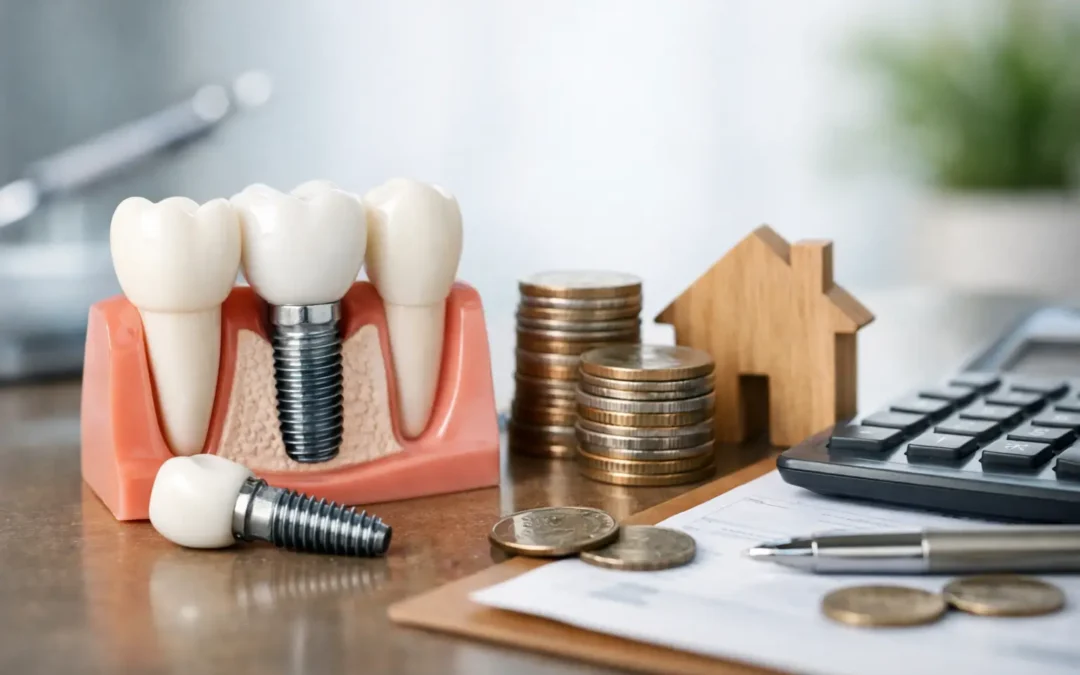
When patients compare implant prices, they may see a low starting number that does not represent the complete tooth replacement. A finished single-tooth implant typically has three primary components: the implant post placed in the jawbone, the abutment that connects the post to the restoration, and the custom crown visible above the gumline.
The implant post is usually made from biocompatible titanium and acts like a replacement tooth root. Once it integrates with your jawbone, it provides stable support for the final crown. The crown is crafted to blend with your surrounding teeth in shape, color, and bite alignment, which matters for both comfort and appearance.
A comprehensive estimate may also account for diagnostic imaging, surgical planning, anesthesia or sedation when appropriate, follow-up visits, and the final restoration. Because every step contributes to a predictable result, asking what is included is more useful than comparing a single advertised number.
Average Cost for One Dental Implant
For a single missing tooth, the total investment for an implant, abutment, and custom crown often falls in the range of $3,000 to $6,000. Costs can be lower or higher depending on the materials used, the complexity of treatment, and whether preparatory procedures are needed.
In the Miami area, experience, technology, and the quality of the final restoration can also affect pricing. A carefully planned implant is intended to restore daily function for many years, which is why patients should consider the full value of treatment rather than choosing solely by the lowest initial quote.
An implant is not automatically the right option for every situation. A bridge may be appropriate when neighboring teeth already need crowns, while a removable partial denture can offer a lower upfront cost. During your exam, your dental team can explain the benefits and trade-offs of each approach based on your goals.
Factors That Can Change Your Implant Treatment Cost
No two smiles have the same starting point. The largest differences in tooth implant cost usually come from the condition of the tooth site and the level of care needed to create a stable foundation.
Bone Grafting and Site Preparation
After a tooth is lost, the jawbone in that area can gradually shrink. If there is not enough healthy bone to support an implant securely, a bone graft may be recommended before or during implant placement. This additional treatment adds to the total cost and can extend the timeline, but it can also make a successful, lasting implant possible.
Some patients need a sinus lift for implants in the upper back jaw. Others may need gum treatment, removal of a damaged tooth, or treatment for an active infection before implant surgery. Addressing these issues first protects your health and gives the implant a better chance to heal properly.
The Type of Restoration You Need
Replacing one tooth is different from restoring a full arch. A single implant receives one crown, while several missing teeth may be replaced with an implant-supported bridge. For patients missing most or all teeth, full-arch solutions such as All-on-4 dental implants can restore an entire smile using a strategic number of implants.
Full-arch treatment has a higher overall cost than a single implant, but the per-tooth value can be very different. It may also eliminate the need for a removable denture and help restore stronger chewing ability, facial support, and confidence. The right solution depends on how many teeth are missing, the health of your bone and gums, and how you want your smile to function day to day.
Materials, Technology, and Clinical Expertise
Modern 3D imaging and digital treatment planning help your dentist assess bone volume, map implant placement, and plan around nearby structures. These tools support accuracy and reduce guesswork, particularly in more complex cases.
The materials selected for your crown also matter. High-quality porcelain and ceramic restorations can be designed for lifelike translucency and durability. Your dentist will recommend an option that fits the location of the tooth, your bite forces, and your cosmetic expectations.
Implant treatment is both surgical and restorative. The placement of the post, the way the gums heal around it, and the fit of the final crown all influence comfort and appearance. Choosing an experienced team that plans the complete process can help you avoid costly compromises later.
Does Dental Insurance Cover Implants?
Insurance coverage for dental implants varies widely. Some plans exclude the implant post but provide benefits for parts of the treatment, such as an extraction, bone graft, crown, or diagnostic imaging. Other plans may offer partial coverage after a waiting period or only when specific clinical requirements are met.
It is worth reviewing your benefits before treatment begins, but do not assume that a lack of full coverage means you have no options. Many practices can help you understand available benefits and discuss payment arrangements that make phased treatment more manageable. If immediate replacement is not necessary, treatment may sometimes be planned in stages around your budget and schedule.
Remember that insurance is a benefit, not a measure of what is best for your oral health. A treatment recommendation should be based on what will provide a stable, healthy result, with transparent financial information provided before you move forward.
Why a Personalized Implant Consultation Matters
Online ranges are helpful for setting expectations, but they cannot account for your specific needs. An in-person evaluation allows your dentist to examine your teeth and gums, assess your bite, review imaging, and identify whether additional treatment is needed.
At United Dental Specialists, implant planning is centered on the outcome you want: eating comfortably, smiling confidently, and protecting your long-term oral health. You should leave your consultation with a clear explanation of the recommended treatment, the expected timeline, and the costs associated with each phase.
Ask direct questions during your visit. Find out whether the estimate includes the final crown, what preparatory care may be needed, how long healing may take, and what follow-up care is included. Clear answers make it easier to compare options and make a decision you feel good about.
Caring for Your Investment After Treatment
A dental implant cannot develop a cavity, but the gum tissue and bone around it still need daily care. Brushing twice a day, cleaning between teeth, and attending regular dental visits help protect the tissues that support the implant. If you grind your teeth, a custom nightguard may be recommended to protect both your implant crown and natural teeth.
With consistent home care and professional maintenance, implants can be a durable solution for missing teeth. They are designed to support normal eating and speaking while helping prevent the shifting that can occur when a gap is left untreated.
You do not have to decide based on a number alone. A thoughtful implant consultation can turn questions about cost into a clear plan for restoring your comfort, function, and confidence.

Recent Comments