
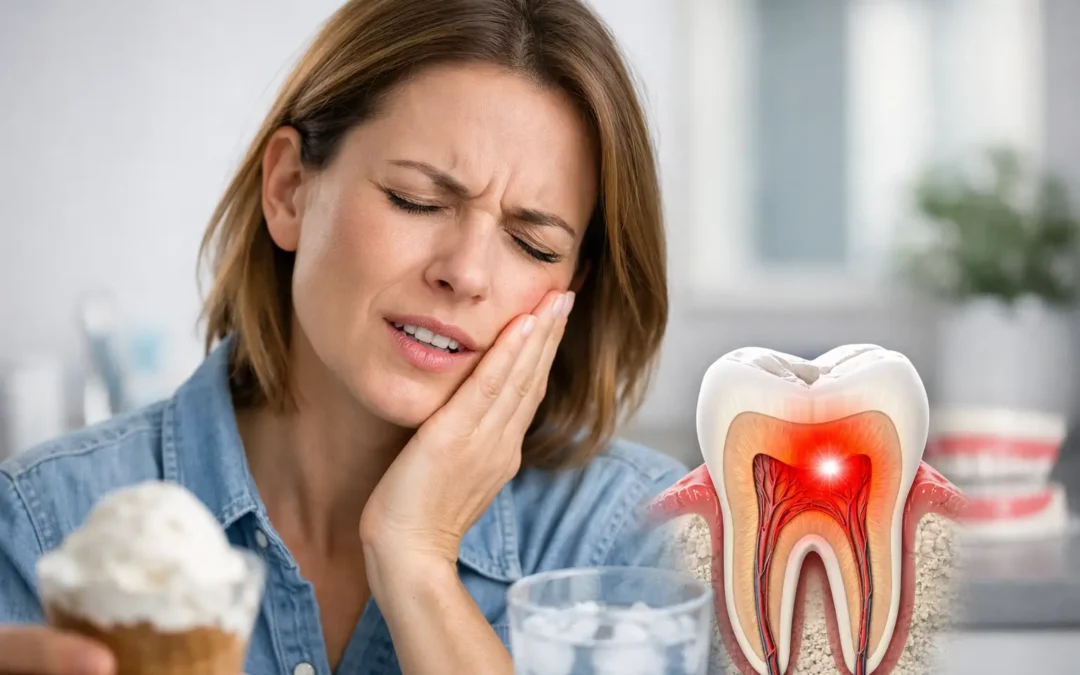
That sharp jolt when you sip iced water, breathe in cool air, or bite into something sweet can make an ordinary moment feel alarming. If you are wondering what causes sudden tooth sensitivity, the answer may be as simple as exposed tooth surfaces, but it can also point to a cavity, a cracked tooth, gum disease, or a problem with an existing restoration.
Sensitivity is common, but a sudden change deserves attention. Your teeth do not become reactive without a reason. Identifying that reason early can relieve discomfort, protect your natural tooth structure, and help you avoid a more involved treatment later.
Why a Tooth Suddenly Becomes Sensitive
A healthy tooth is protected by enamel above the gumline and cementum along the roots. Beneath these protective layers is dentin, a porous layer with tiny channels leading toward the tooth’s nerve. When enamel wears down, a gumline recedes, or a tooth develops damage, hot, cold, sweet, acidic, or even air can reach the dentin more easily. The result is the quick, sharp sensation many patients describe as sensitivity.
The trigger itself is not always the underlying problem. Cold water may reveal sensitivity, for example, but the real cause could be a small cavity, a loose filling, nighttime grinding, or gum recession. The location and pattern of pain give your dentist useful clues.
What Causes Sudden Tooth Sensitivity? Common Reasons
A cavity or early tooth decay
Decay can begin quietly, especially between teeth or around an older filling. As bacteria weaken enamel and move deeper into the tooth, cold drinks, sugary foods, and pressure from chewing may start to hurt. Sensitivity from a cavity may be limited to one tooth and can become more frequent over time.
A prompt exam can often catch decay before it reaches the nerve. Depending on its size, treatment may be as straightforward as a tooth-colored filling. Waiting until pain becomes constant can allow the infection or inflammation to progress.
A cracked tooth or worn restoration
A small crack is not always visible in the mirror, and it may not cause pain every day. You may feel a sudden sting when biting down or, in some cases, when releasing your bite. Hard foods, teeth grinding, clenching, and older fillings can all place stress on a tooth.
Fillings, crowns, and veneers are designed to restore and protect teeth, but they can eventually wear, chip, or develop gaps around their edges. When that seal is compromised, temperature changes and bacteria can affect the tooth beneath. A dental evaluation can determine whether a restoration needs adjustment, repair, or replacement.
Gum recession and exposed roots
If your gums have pulled back from the teeth, root surfaces may be exposed. Roots do not have the thick enamel protection found on the visible portion of a tooth, so they can be especially sensitive to cold, brushing, and sweet foods.
Gum recession can be related to gum disease, brushing too aggressively, naturally thin gum tissue, or long-term clenching. It does not always look dramatic. A dentist can measure gum levels, check for inflammation, and recommend a plan that addresses both comfort and the health of the supporting tissues.
Brushing habits and enamel erosion
Brushing harder is not the same as brushing better. A firm toothbrush, heavy pressure, or abrasive whitening toothpaste can gradually wear at the gumline and irritate exposed dentin. If sensitivity appeared after changing your toothbrush or toothpaste, that connection is worth mentioning at your appointment.
Frequent acidic foods and drinks can also soften enamel. Citrus, sports drinks, soda, wine, and reflux from the stomach can all contribute. This does not mean you must eliminate every acidic food. It means protecting your teeth with moderation, water after acidic drinks, and a gentle brushing routine. Brushing immediately after an acidic drink may increase wear because enamel is temporarily softer.
Teeth grinding or clenching
Many adults clench their teeth during stressful workdays or grind while sleeping without realizing it. The constant pressure can create tiny fractures, flatten chewing surfaces, strain the jaw, and make teeth more responsive to temperature.
You may also notice morning jaw soreness, headaches, or teeth that feel tender when chewing. A custom nightguard can protect teeth from further wear when grinding is the cause, although the right solution depends on your bite, symptoms, and the condition of the teeth.
Recent dental treatment or whitening
It is normal for teeth to be temporarily sensitive after some dental procedures, including fillings, crowns, deep cleanings, and professional whitening. The sensitivity should generally improve rather than intensify.
Whitening sensitivity is often temporary, but it should not be ignored if it is severe or lasts beyond the expected period. A dentist can recommend a gentler approach, adjust the whitening schedule, or check for a separate issue such as a crack or cavity. Cosmetic treatment should improve your confidence without leaving you in unnecessary discomfort.
Sinus pressure or a non-dental source
Upper back teeth sit close to the sinus cavities. During a sinus infection, allergies, or congestion, pressure can sometimes make several upper teeth feel sore or sensitive. This discomfort often changes when you bend forward and usually affects more than one tooth.
Still, do not assume sinus pressure is the explanation if pain is isolated, persistent, or triggered by chewing. Dental pain can mimic other conditions, and an exam is the clearest way to identify the source.
How to Tell If Sensitivity Needs Prompt Care
Brief sensitivity that occurs only with cold food may respond to a sensitivity toothpaste and gentler brushing. But sudden sensitivity is not something to self-diagnose for weeks, particularly when it is focused on one tooth.
Contact a dentist promptly if discomfort lasts after the trigger is gone, worsens over several days, wakes you from sleep, or makes it difficult to chew. Swelling, fever, a bad taste in the mouth, facial tenderness, or a pimple-like bump on the gums may signal an infection and should be treated urgently.
A chipped or broken tooth, a lost filling or crown, and pain after an injury also warrant timely care. These problems can expose vulnerable tooth structure and become more painful if left unprotected.
What You Can Do Before Your Dental Visit
Until you are seen, choose room-temperature foods and drinks if heat or cold causes pain. Use a soft-bristled toothbrush with light pressure, and consider a toothpaste formulated for sensitive teeth. Avoid whitening products and very acidic foods or beverages until you know why the tooth is reacting.
Over-the-counter pain medication may help when used exactly as directed on the label and when safe for you. Do not place aspirin or other medication directly on the gum or tooth. It can irritate oral tissue and does not treat the cause of the pain.
Try to notice what sets off the sensitivity. Is it cold, heat, sweets, biting pressure, or brushing? Does it involve one tooth or a broader area? Those details help your dental team evaluate the problem efficiently.
Treatment Depends on the Cause
There is no single treatment for sensitive teeth because the cause matters. A cavity may need a filling, while a damaged crown may need repair or replacement. Gum-related sensitivity may improve with periodontal care, desensitizing treatments, or changes to brushing habits. If the tooth’s nerve is badly inflamed or infected, root canal treatment may be recommended to preserve the tooth and relieve pain.
At United Dental Specialists, your care begins with a focused evaluation of your symptoms, teeth, gums, bite, and existing dental work. Modern diagnostic tools and a personalized treatment plan help address the source of discomfort, not simply cover it up.
Sudden tooth sensitivity is your smile asking for attention. Scheduling an evaluation while the pain is new gives you the best opportunity to restore comfort, protect your teeth, and get back to enjoying the foods and drinks you love with confidence.

Recent Comments