If you have been searching for answers about all on 4 top arch cost, you are probably not casually browsing. In most cases, you are trying to solve a real problem – missing teeth, failing dental work, a denture that never feels secure, or a smile that no longer feels like yours. Cost matters, but so does getting a solution that actually works, feels stable, and looks natural.
All-on-4 for the upper arch can be life-changing for the right patient. It can restore chewing, improve speech, support facial structure, and replace a full row of missing or failing teeth with a fixed implant-supported restoration. But pricing can vary more than most people expect, and that is where confusion starts.
What affects all on 4 top arch cost?
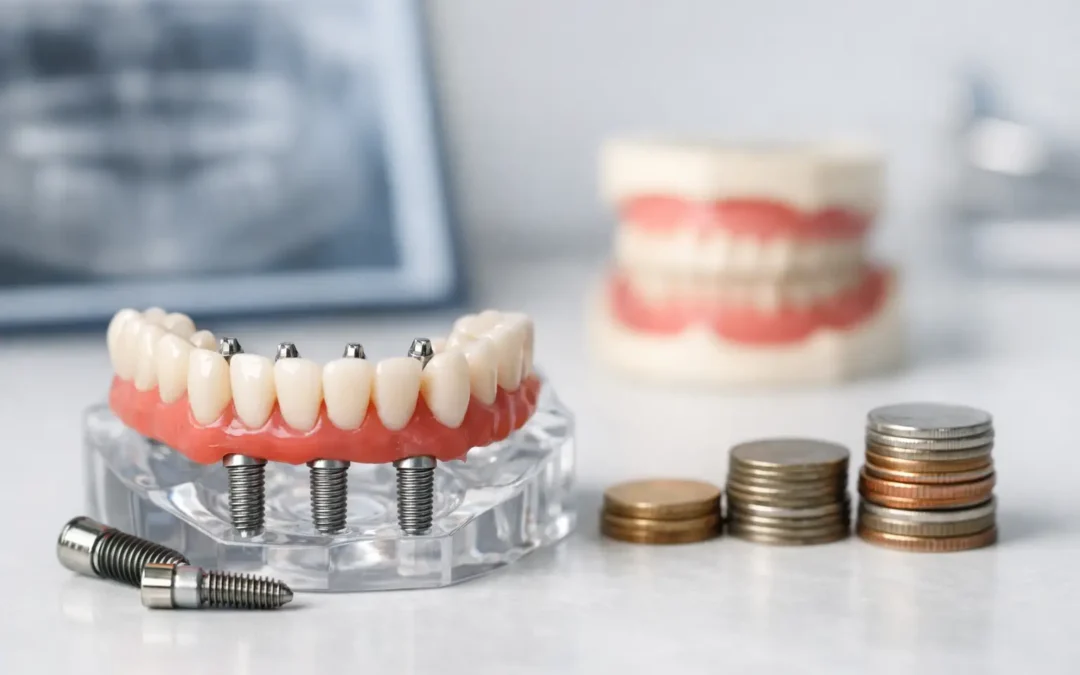
The short answer is that the cost depends on much more than four implants. When a patient hears All-on-4, it is easy to assume the price is mostly about placing four implant posts. In reality, the final number reflects the entire treatment process, from planning to surgery to the custom teeth that sit on top.
One major factor is your starting point. Some patients already have enough healthy bone in the upper jaw for implant placement, while others need preparatory treatment. The upper arch often presents more complexity than the lower arch because bone density is usually softer in the maxilla. That can affect surgical approach, implant design, and whether additional procedures are needed.
The restoration itself also plays a large role. A temporary fixed prosthesis and a final long-term prosthesis are not the same thing. Materials, aesthetics, durability, and how customized the smile is can all shift the investment. Patients who want highly lifelike teeth, improved gum appearance, and refined bite design may see a different fee than someone receiving a more basic restorative approach.
The provider matters too. Experience, technology, in-house capabilities, and whether your care is coordinated under one roof can influence both price and value. A well-planned case may cost more upfront than a bargain option, but that does not mean it is overpriced. It may simply reflect stronger diagnostics, better materials, and more precise execution.
What is usually included in the price?
This is one of the most important questions to ask during a consultation. Two treatment plans can look similar at first glance and be priced very differently because they do not include the same things.
In many cases, all on 4 top arch cost includes your consultation, digital imaging, treatment planning, implant surgery, and a temporary fixed set of teeth. It may also include extractions if remaining upper teeth are being removed at the time of treatment. After healing, the final prosthesis is typically delivered as a separate phase, though some offices bundle that into one total fee.
What patients often miss is that not every quote includes sedation, bone reduction, grafting, replacement temporaries, follow-up visits, or the final premium restoration. That is why a lower number is not always the better deal. If one office gives you a price that sounds surprisingly low, ask exactly what happens from day one through the final smile.
A clear treatment plan should explain what is included now, what may become necessary later, and what would increase the fee. That kind of transparency helps you budget with fewer surprises.
Why upper arch treatment can cost more
When patients compare full-arch implant pricing, they sometimes assume upper and lower treatment should cost the same. Often, that is not the case.
The upper jaw can be more demanding from a surgical and restorative standpoint. Bone quality is frequently less dense than in the lower jaw, which may require more detailed planning to achieve stable implant placement. In some cases, anatomy such as sinus position or previous bone loss can limit options and increase complexity.
There is also an aesthetic factor. Upper teeth are usually more visible when you smile and speak. That means the design of the final restoration often requires more attention to tooth shape, lip support, gum display, and overall facial balance. Patients are not only looking for function. They want a smile that looks natural and confident.
That added attention to fit and appearance can influence all on 4 top arch cost, especially when the goal is a long-lasting result that performs well and looks like it belongs to you.
Typical price ranges and why quotes vary
Across the market, full-arch upper implant treatment often falls into a wide price range. In many practices, patients may see quotes starting around the low five figures and extending significantly higher depending on materials, complexity, and what is included.
That range exists for a reason. Some cases are straightforward. Others involve extractions, infection management, bone loss, bite issues, or replacing old dental work that has already failed. A patient who needs a premium final prosthesis, sedation, and additional surgical support will not have the same fee as someone with a simpler starting point.
Location can also affect price. In a market like South Florida, where patients expect modern technology, cosmetic quality, and experienced implant care, fees may reflect that level of service. The goal should not be finding the cheapest number. It should be understanding what you are paying for and whether the treatment is designed to last.
Questions to ask when comparing all on 4 top arch cost
A consultation should leave you more informed, not more confused. If you are comparing offices, ask direct questions.
Start with whether the quoted fee includes the temporary and final teeth. Then ask about imaging, extractions, sedation, follow-up visits, and any potential additional costs related to bone condition or healing. It also helps to ask what material will be used for the final restoration and how long the expected treatment timeline will be.
You should also ask who is planning and performing each part of the case. Full-arch implant treatment is not just a procedure. It is a coordinated process that affects your health, appearance, and day-to-day comfort. Knowing who is responsible for surgery, restoration, and long-term maintenance matters.
A good office will explain the process in plain language. You should feel that the team is listening to your goals, not pushing you into a one-size-fits-all plan.
Financing, insurance, and the real cost of waiting
For many patients, the biggest barrier is not whether they want treatment. It is whether they can fit it into their budget right now.
Dental insurance may help with certain parts of care, such as extractions, imaging, or portions of restorative treatment, but it does not always cover implant treatment in a meaningful way. That is why financing options often become part of the conversation. Monthly payment plans can make care more manageable, especially for patients who want a fixed solution but do not want to delay for years.
Waiting also has a cost. Ongoing tooth loss, repeated repairs, unstable dentures, and difficulty eating can affect your health and confidence over time. Some patients spend years patching together short-term fixes that add up financially and still leave them frustrated. A well-planned full-arch solution can be a larger initial investment, but it may save time, discomfort, and repeated dental work down the road.
Is All-on-4 worth the cost?
That depends on your goals. If you are looking for the lowest-cost way to replace upper teeth, a removable denture will usually cost less. But lower cost and better value are not the same thing.
Many patients choose All-on-4 because they want more than replacement teeth. They want stability, stronger bite function, less movement, and a smile that feels closer to natural teeth. They want to eat more comfortably, speak with confidence, and stop worrying that their teeth will shift at the wrong moment.
For the right candidate, those benefits can make the investment worthwhile. The key is making sure your treatment plan is realistic, personalized, and built around long-term success rather than a fast sales pitch.
At United Dental Specialists, those conversations are meant to be straightforward. Patients deserve to understand their options, their timeline, and the factors shaping cost before making a decision.
If you are weighing all on 4 top arch cost, the best next step is not guessing from online numbers. It is getting a clear exam, a personalized plan, and honest answers about what your smile needs to feel strong again.

Recent Comments