
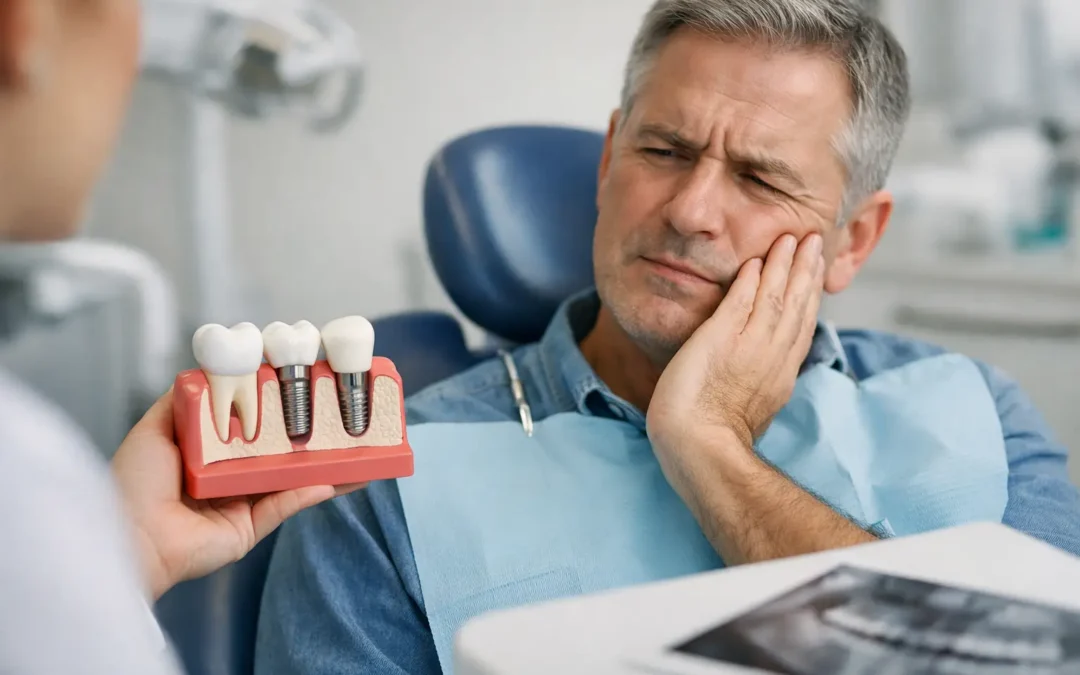
A gap in your smile is not always just a cosmetic issue. If chewing feels awkward, a tooth has been missing for a while, or you keep hiding your smile in photos, you may be wondering how to know if you need dental implants. The answer usually comes down to more than appearance. It is about protecting your bite, your jawbone, and your long-term oral health.
Dental implants are designed to replace missing teeth at the root level, which makes them different from options that only sit on top of the gums. For many adults, that added stability is what restores normal function and confidence. Still, implants are not the right answer for every situation, and the best next step is a personalized evaluation rather than guessing based on one symptom alone.
How to know if you need dental implants
One of the clearest signs is a missing tooth, especially if the space has been there for months or years. Even one missing tooth can change how you chew and how surrounding teeth line up. Over time, nearby teeth can drift, the opposing tooth can move out of position, and the jawbone in that area can begin to shrink.
Another common sign is a tooth that is still present but no longer salvageable. Severe decay, advanced gum disease, a vertical crack, or trauma may leave a tooth too damaged for a filling, crown, or root canal to predictably save it. In those cases, removing the tooth and replacing it with an implant may offer a more stable long-term solution.
You may also need to consider implants if you already wear a bridge or denture that feels loose, bulky, or limiting. Some patients tolerate removable appliances well. Others are frustrated by slipping, sore spots, difficulty eating, or reduced confidence when speaking. If your current replacement is doing the job poorly, an implant-based option may improve both comfort and function.
Signs your mouth may be ready for a more permanent solution
Some implant candidates come in because of obvious tooth loss. Others come in because daily life has become less comfortable. If you avoid crunchy foods on one side, cut food into very small bites, or notice jaw fatigue after meals, your mouth may be compensating for missing or failing teeth.
Changes in facial appearance can matter too. Bone loss in the jaw can create a more sunken look around the mouth over time, especially when multiple teeth are missing. That shift tends to happen gradually, so many patients do not notice it until they compare older photos.
There is also the confidence factor. If you find yourself smiling with your lips closed, covering your mouth while talking, or declining social events because of your teeth, the issue has moved beyond inconvenience. Restorative treatment should support your health, but it should also help you feel comfortable being seen and heard.
When a damaged tooth may point to implants
Not every damaged tooth needs to be replaced with an implant. In many cases, a crown or root canal can save a tooth and keep it functioning well for years. Preserving a natural tooth is often the first choice when it is healthy enough to remain in place.
The conversation changes when the damage is extensive. A tooth with deep infection below the gumline, severe structural breakdown, or repeated treatment failures may not be a reliable long-term investment. If your dentist is discussing extraction because the tooth cannot be predictably restored, it is reasonable to ask whether an implant is the best replacement after removal.
This is one of the areas where timing matters. Waiting too long after an extraction can lead to more bone loss, which may complicate treatment later. That does not mean every implant must happen immediately, but planning early gives you more options.
Missing one tooth versus several
A single missing tooth can be a strong reason to consider an implant, particularly if the neighboring teeth are healthy and do not need crowns. An implant can replace that one tooth without altering the teeth next to it, which is one reason many patients prefer it over a traditional bridge.
If you are missing several teeth, implants may still work very well, but the treatment plan may look different. Some patients need individual implants. Others do better with implant-supported bridges or full-arch solutions such as All-on-4. The right choice depends on how many teeth are missing, where they are located, how much bone support remains, and what you want from treatment in terms of feel, appearance, and maintenance.
What can make you a good candidate
Knowing how to know if you need dental implants is only half the picture. The next question is whether your mouth and overall health support successful treatment. Good candidates typically have healthy gums or are willing to treat gum disease first, enough bone to support the implant or a plan to rebuild bone when needed, and habits that support healing.
Smoking, uncontrolled diabetes, untreated periodontal disease, and teeth grinding can all affect implant success. None of these factors automatically rule implants out, but they do mean planning needs to be more careful. This is where a thorough exam, imaging, and a real conversation about your health history make a difference.
Age alone is rarely the issue for adults. Many patients assume they are too old for implants, when the more important questions are whether they are healthy enough for treatment and whether implants fit their goals. In fact, many older adults choose implants because they want a more stable solution for eating and speaking.
When implants may not be the first step
There are situations where implants are not the immediate answer. If a tooth can still be saved with a predictable prognosis, keeping it may be the better route. If active gum disease is present, that usually needs to be treated before implant placement. If bone loss is significant, grafting may be recommended before or during treatment.
Budget also matters, and patients deserve straightforward guidance here. Implants are often a larger upfront investment than removable options. At the same time, they may provide better longevity, comfort, and function over the years. The right decision is not always the cheapest one today or the most advanced one on paper. It is the one that fits your oral health, your priorities, and your long-term plan.
What to expect at an implant consultation
If you suspect implants may be right for you, the consultation should feel clear and practical. Your dentist will examine your teeth and gums, review digital images, and look at how your bite functions. They will also ask about symptoms, goals, medical history, and any concerns you have about timing, appearance, or cost.
From there, you should get a treatment recommendation based on your specific situation. That may include saving a tooth, extracting and replacing it with an implant, or considering another restorative option. A strong consultation does not pressure you toward one procedure. It gives you a realistic path forward.
At United Dental Specialists, patients in Doral and Miami Lakes often come in unsure whether implants are necessary or whether another treatment could work. That uncertainty is normal. The value of an exam is not just confirming candidacy. It is understanding what happens if you treat the issue now versus waiting.
The biggest mistake is waiting too long
Many people postpone treatment because the problem is not constant. Maybe the gap is in the back and not visible. Maybe the damaged tooth only hurts occasionally. Maybe a denture works well enough most days. The trouble is that missing and failing teeth tend to create secondary problems over time, including shifting teeth, bite imbalance, bone loss, and additional wear.
You do not need to decide on implants the moment a concern appears. But you should get the area evaluated before the situation becomes more complex. Acting earlier can preserve options, reduce future treatment needs, and help you stay ahead of pain or cosmetic changes.
If you have been wondering how to know if you need dental implants, the most useful answer is this: when a missing or failing tooth is affecting your health, function, or confidence, it is time to have the conversation. A thoughtful exam can tell you whether implants are the right fit now, later, or not at all – and that clarity is often the first real step toward feeling like yourself again.

Recent Comments