
If you have ever dealt with dentures that slip when you eat, click when you talk, or leave sore spots by the end of the day, the appeal of implant dentures benefits becomes very real very quickly. For many adults, this treatment is not just about replacing missing teeth. It is about getting back everyday comfort, stronger bite function, and the confidence to smile without second-guessing every movement.
What makes implant dentures different?
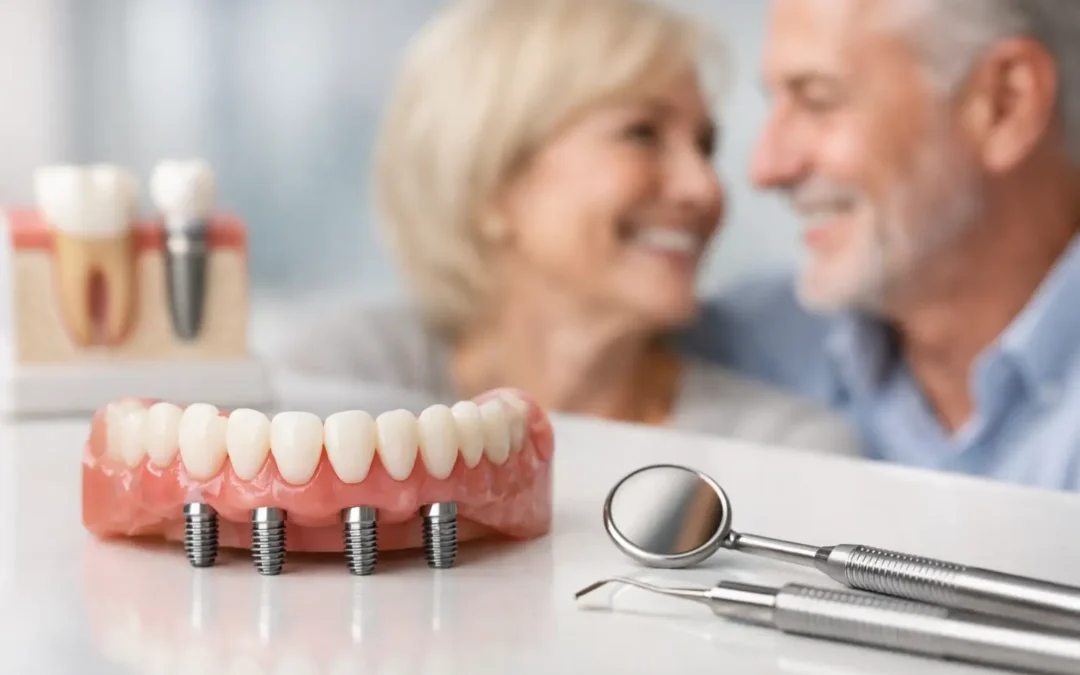
Traditional dentures rest on the gums. Implant dentures are supported by dental implants placed in the jawbone, which gives the denture a much more stable foundation. Depending on your needs, the denture may snap into place for removal at home or be fixed more securely for a longer-wear solution.
That difference in support changes the day-to-day experience in a major way. Instead of relying mainly on suction or adhesive, implant dentures are anchored. Patients often notice the biggest improvement when eating, speaking, and simply moving through the day without worrying that their teeth will shift.
The biggest implant dentures benefits for daily life
When patients ask whether implant dentures are worth considering, the answer depends on their goals, oral health, and budget. Still, several benefits come up again and again because they affect real routines, not just dental charts.
Better stability when eating and speaking
One of the most common frustrations with traditional dentures is movement. Even well-made dentures can loosen over time as the shape of the gums and jaw changes. That can make it harder to chew certain foods or speak naturally.
Implant-supported dentures usually feel more secure. Many patients find they can eat a wider variety of foods with more confidence, including foods that are harder to manage with a loose denture. Speech often improves too, especially for people who have been compensating for slipping teeth with changes in tongue or lip movement.
More comfort and fewer pressure points
Because implants help support the denture, there is often less rubbing and less direct pressure on the gums. That can reduce sore spots and irritation. Comfort is one of those benefits people sometimes underestimate until they experience the difference for themselves.
This does not mean there is never an adjustment period. There usually is. But once the denture is properly fitted and the implants have integrated well, many patients describe the result as more natural and less tiring to wear.
Stronger confidence in social settings
Missing teeth can affect self-esteem. So can dentures that feel unreliable. Many adults avoid certain foods at restaurants, cover their mouths when laughing, or feel distracted during conversations because they are thinking about whether their denture is moving.
A more secure smile can change that. Implant dentures often help patients feel more at ease at work, at dinner, in photos, and in everyday interactions. That emotional benefit matters just as much as function for many people.
Less dependence on adhesive
A practical advantage that patients appreciate is the reduced need for denture adhesive. Traditional dentures often require daily products to help with hold, especially as the fit changes over time. Implant-supported options can cut down on that hassle significantly.
For some people, that means a simpler morning routine. For others, it just means more peace of mind during the day.
Implant dentures benefits for long-term oral health
The cosmetic and comfort improvements get most of the attention, but the long-term health side matters too.
Support for jawbone preservation
When teeth are missing, the jawbone in that area no longer receives the same stimulation from chewing forces. Over time, bone loss can occur. Traditional dentures do not stop that process. In some cases, they can become looser as the jaw changes.
Dental implants help stimulate the bone, which can slow that pattern of bone loss. That is one of the most important implant dentures benefits because it supports the structure of the mouth over time. It can also help maintain facial shape better than a denture that rests on the gums alone.
A more secure fit as years go on
Because the implants provide anchorage, implant dentures are generally less likely to shift the way conventional dentures can as bone and gum tissue change. That does not mean maintenance stops. Relines, adjustments, and routine dental visits still matter. But the added support often makes the overall experience more predictable.
For patients who have struggled with repeat denture looseness, this can be a major quality-of-life improvement.
Are implant dentures always the best option?
Not always, and a trustworthy dental team should say that clearly. Implant dentures are an excellent solution for many people, but the right choice depends on several factors.
Your bone level, gum health, medical history, current denture fit, and treatment goals all play a role. Some patients are strong candidates for implant-supported dentures right away. Others may need preliminary care, such as extractions, periodontal treatment, or bone grafting. Some may do better with a different restorative option depending on how many teeth are missing and what kind of stability they want.
Budget matters too. Implant dentures usually cost more upfront than traditional dentures. But they can provide more comfort, better function, and greater satisfaction over time. For many patients, that trade-off feels worthwhile. For others, a phased treatment plan may make more sense.
What treatment can look like
The process starts with a consultation, imaging, and a detailed conversation about your goals. This is where a personalized treatment plan matters. Some patients want an option they can remove for cleaning. Others want the closest feel possible to fixed teeth. Those are different conversations and should be planned carefully.
If implants are placed, the jaw needs time to heal and integrate with them. In some cases, a temporary denture is worn during healing. Once the implants are ready, the final denture is designed to attach securely.
Treatment timing varies. Some cases move faster than others depending on bone quality, the number of implants, and whether extra procedures are needed. The best experience usually comes from planning that prioritizes both function and appearance rather than rushing to the finish line.
Who tends to benefit most?
Adults who are missing multiple teeth or all teeth in an arch often see the greatest improvement, especially if they have been frustrated with removable dentures. Patients who value comfort, social confidence, and a stronger bite tend to be especially happy with implant-supported solutions.
This treatment can also be appealing for people who are tired of denture movement but are not candidates for individual implants on every missing tooth. Implant dentures can offer a middle ground between a conventional denture and a more extensive full-arch restoration.
At the same time, expectations should stay realistic. Implant dentures can dramatically improve stability and quality of life, but they still require good home care, routine follow-up, and professional maintenance. They are durable, not effortless.
Choosing a provider matters
With implant dentistry, planning is everything. The benefits of the final result depend on careful diagnostics, proper implant placement, and a denture design that fits your bite, smile, and facial support. Experience matters, and so does communication.
Patients should feel comfortable asking direct questions about how many implants are recommended, whether the denture is removable or fixed, what the maintenance looks like, and what kind of healing timeline to expect. A good provider will explain the trade-offs clearly and help you compare options without pressure.
For patients in Doral, Miami Lakes, and nearby communities, working with a practice that combines implant expertise, restorative planning, and patient-centered care can make the process feel much more straightforward. At United Dental Specialists, that means building a treatment plan around your health, goals, comfort, and budget rather than forcing a one-size-fits-all answer.
Is it time to consider implant dentures?
If your current dentures are affecting how you eat, speak, or feel about your smile, it may be time to look at what a more stable solution could offer. The right treatment can do more than replace teeth. It can help restore daily ease and confidence in a way that feels meaningful from the first meal to the next conversation.
The next best step is a consultation with a dental team that will assess your needs honestly and explain your options clearly. When treatment is planned well, implant dentures can feel less like a dental appliance and more like getting an important part of your life back.

Recent Comments