
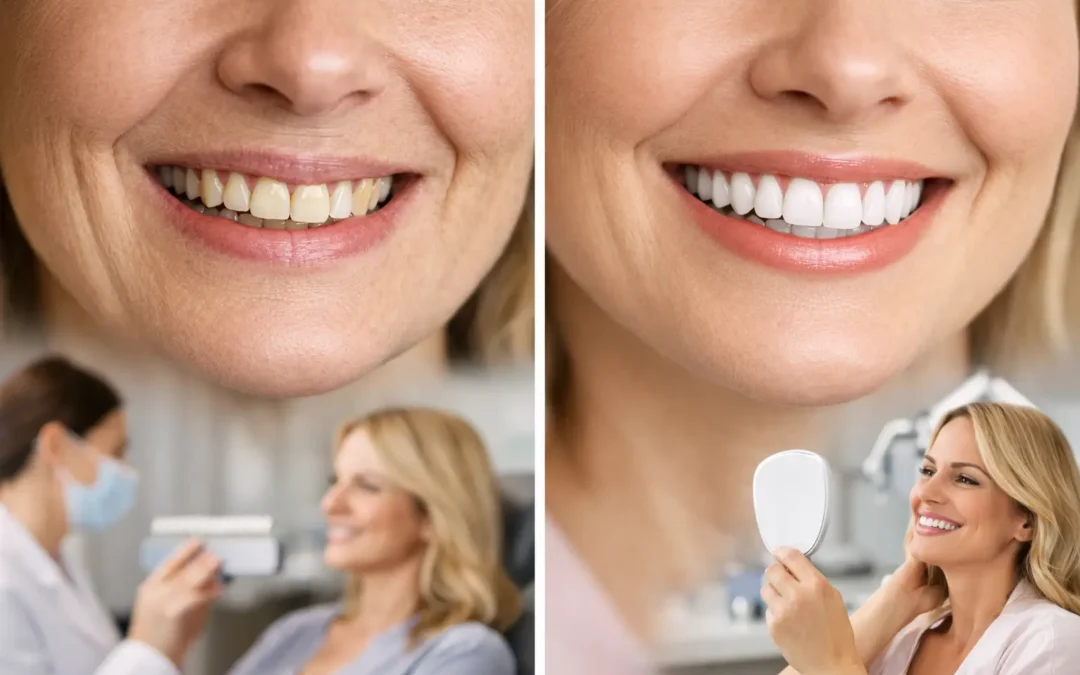
A meaningful smile transformation is rarely about making teeth look unnaturally perfect. A well-planned smile makeover before after case shows how thoughtful dental care can address the details that affect daily confidence: discoloration in photos, worn edges, gaps, missing teeth, uneven gums, or restorations that no longer match.
The most revealing before-and-after results do more than show a brighter smile. They show a patient whose treatment was designed around facial features, bite, oral health, and personal goals. For patients in Doral, Miami Lakes, and the surrounding Miami area, the right approach begins with a conversation about what you want to change and what your smile needs to stay healthy for years to come.
What a Smile Makeover Before After Case Can Show
Before-and-after photos can be helpful because they make cosmetic dentistry feel more tangible. You may see a patient who started with chipped front teeth and finished with smooth, balanced porcelain veneers. Another patient may have replaced a missing tooth with a dental implant, restoring both the appearance of the smile and the ability to chew comfortably.
Still, photos tell only part of the story. Two smiles can appear to have similar concerns while needing very different treatment plans. For example, spaces between teeth may be corrected with Invisalign in one case, while another patient may benefit from veneers because the teeth are also small, worn, or deeply discolored.
A reliable case presentation should help you understand the starting concern, the recommended treatment, and the intended functional benefit. It should not suggest that every patient needs the same procedure or that a cosmetic result can be safely achieved without examining the gums, teeth, and bite.
The “Before” Is About More Than Appearance
The starting point may include stains, old bonding, cracks, uneven tooth shape, crowding, or missing teeth. However, a clinical evaluation also looks for issues that a photograph cannot reveal, such as decay, gum inflammation, weakened enamel, bite pressure, or bone loss around missing teeth.
Addressing these concerns first protects the investment you make in your new smile. Placing veneers over untreated decay or whitening teeth before managing gum disease may lead to avoidable complications and disappointing results. Cosmetic dentistry works best when it is built on a healthy foundation.
The “After” Should Look Like You
The strongest smile makeover results look natural, not copied from someone else. Tooth color, length, translucency, and shape should complement your complexion, lips, facial proportions, and age. A bright smile can be beautiful, but the brightest possible shade is not always the most believable or flattering choice.
Your preferences matter, too. Some patients want a subtle refresh that keeps their natural character. Others want a more dramatic change before a wedding, professional milestone, or major life event. A personalized plan makes room for both goals while maintaining a comfortable, functional bite.
Treatments Often Featured in Smile Makeover Cases
A smile makeover can involve one procedure or a combination of treatments. The best choice depends on the condition of your teeth, the changes you want, your timeline, and your budget.
Teeth whitening is often appropriate for healthy teeth affected by surface or deep stains. It can make a major difference without changing the shape of the teeth. Whitening does not alter the color of crowns, veneers, fillings, or bonding, so it may be completed before new restorations are selected to help create a more consistent shade.
Porcelain veneers can improve the appearance of teeth with chips, stubborn discoloration, minor gaps, irregular shapes, and wear. They are custom-made shells that cover the front surface of selected teeth. Veneers can create a polished result, but they are not automatically the right answer for every cosmetic concern. Depending on your bite and the amount of enamel available, conservative alternatives such as bonding, whitening, or orthodontic treatment may be worth considering.
Dental bonding uses tooth-colored material to repair small chips, reshape edges, and close minor spaces. It is often a more conservative and cost-conscious option, although it may stain or chip more easily than porcelain over time.
Invisalign can gradually straighten teeth and improve spacing or crowding. This may be ideal when tooth position is the main concern. Orthodontic treatment takes longer than a veneer-based transformation, but it preserves natural tooth structure and can improve how teeth fit together.
Dental implants are often central to a makeover when one or more teeth are missing. An implant replaces the tooth root and supports a restoration designed to blend with nearby teeth. For patients missing many teeth, full-arch solutions such as All-on-4 treatment may restore a stable smile and stronger chewing function. The timeline for implant care varies based on bone health, healing, and the complexity of the case.
How a Personalized Smile Makeover Plan Comes Together
A quality consultation should feel collaborative, not rushed. Your dentist should listen to what bothers you about your smile, ask about your health history, and evaluate the condition of your teeth and gums. Digital imaging, photographs, and X-rays may be used to plan treatment accurately and help you visualize potential changes.
From there, the discussion should cover what each option can realistically achieve. This is where important trade-offs become clear. Veneers may produce a faster change in tooth shape and color, while Invisalign can be more conservative for alignment concerns. Implants offer long-term stability for missing teeth, but they require a surgical process and healing period. Whitening can be an excellent first step, but it cannot repair a fractured tooth or replace a worn restoration.
The plan should also account for your budget and timing. Some patients complete treatment in phases, starting with essential health needs or one highly visible area of the smile. Others prefer a comprehensive approach that coordinates whitening, veneers, implants, and bite adjustments together. Neither path is universally better. The right path is the one that supports your health, goals, and ability to maintain the result.
Questions to Ask When Reviewing Before-and-After Results
When you look at smile makeover photos, focus on more than how white the final teeth appear. Ask whether the teeth look proportionate, whether the gumline appears healthy, and whether the result fits the patient’s face. Notice whether old restorations, missing teeth, or uneven edges were addressed in a way that appears balanced rather than overly uniform.
It is also reasonable to ask what treatment was used and how long it took. A transparent conversation helps set expectations. A one-visit bonding case is very different from a multi-month Invisalign or dental implant case, even if both create a noticeable visual improvement.
Most importantly, ask what maintenance will be needed. Veneers, crowns, bonding, and implants are durable, but they still need regular dental visits, daily brushing and flossing, and protection from habits such as nail biting or chewing ice. If you grind your teeth, a nightguard may help protect your new restorations.
A Better Smile Should Also Feel Better
Cosmetic treatment is often described in terms of confidence, and that confidence is real. Patients may smile more freely in meetings, family photos, and social settings when they no longer feel the need to hide their teeth. But the best cases also improve comfort and function, whether that means repairing worn teeth, replacing a missing tooth, or creating a bite that feels more stable.
At United Dental Specialists, a cosmetic consultation is an opportunity to discuss your goals without pressure and understand the options that fit your smile. The focus should always be on care that looks natural, feels comfortable, and respects your long-term oral health.
If a before-and-after case inspires you, use it as a starting point rather than a blueprint. Bring your questions, describe the changes you would like to see, and let a thorough evaluation guide a treatment plan made specifically for you.

Recent Comments