
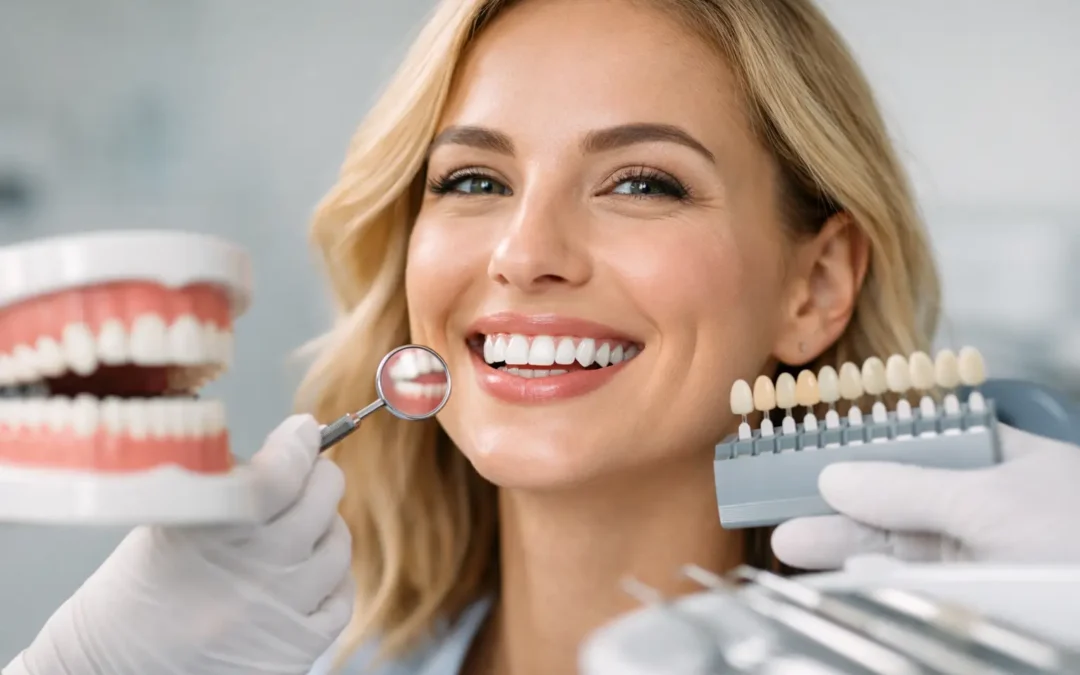
A brighter smile can change how you feel in photos, meetings, and everyday conversations. But the best cosmetic dental procedures are not the same for every patient. The right option depends on what you would like to improve, the health of your teeth and gums, your timeline, and how long you want your results to last.
Cosmetic dentistry should never be about creating a one-size-fits-all smile. A thoughtful plan starts with listening to your goals, examining your oral health, and choosing treatments that look natural while supporting comfortable, lasting function.
How to Choose the Best Cosmetic Dental Procedures
It helps to start with the concern that bothers you most. Surface stains, for example, may respond beautifully to professional whitening. Crooked teeth may be better addressed with Invisalign. Chipped, worn, or uneven teeth may need bonding or porcelain veneers. When missing teeth are affecting your smile and bite, dental implants can restore both appearance and function.
Your dentist will also consider factors that are easy to overlook at home. Existing fillings or crowns do not whiten like natural enamel. Gum inflammation may need treatment before cosmetic work begins. Teeth grinding can affect the lifespan of veneers, bonding, and restorations unless it is managed with a protective nightguard.
The goal is not simply whiter or straighter teeth. It is a healthy smile that fits your face, feels comfortable, and gives you confidence to use it.
Professional Teeth Whitening for Noticeable Brightness
Professional teeth whitening is often the most direct choice for patients whose teeth are healthy but look dull or stained. Coffee, tea, red wine, tobacco, aging, and certain medications can all deepen tooth color over time. Professional treatment uses carefully selected whitening products and a supervised process to brighten natural enamel more predictably than store-bought options.
This treatment can be an excellent first step before a special event, a job change, or a cosmetic makeover. It is also conservative because it does not require removing tooth structure.
Whitening does have limits. It will not change the color of crowns, veneers, fillings, or bonding. Some patients also experience temporary sensitivity. If you have several visible restorations, your dentist may recommend whitening first, then matching new cosmetic work to your improved shade.
Best for
Professional whitening is ideal for healthy teeth with yellowing or surface stains, especially when you want a noticeable improvement without changing tooth shape or alignment.
Porcelain Veneers for Shape, Color, and Symmetry
Porcelain veneers are thin, custom-made shells placed over the front of teeth. They can improve the appearance of chips, discoloration that does not respond to whitening, small gaps, uneven edges, and teeth that appear short or misshapen.
For many patients, veneers create the most dramatic cosmetic change because they address several concerns at once. The porcelain is designed to reflect light much like natural enamel, allowing your dentist to create a polished result that still looks believable and balanced.
Veneers are a long-term investment, not a quick fix. Preparing teeth for veneers may involve removing a small amount of enamel, and the treatment is generally irreversible. They also require consistent brushing, flossing, and regular dental care. Patients who clench or grind their teeth may need a nightguard to protect their investment.
Best for
Veneers work well for patients seeking a comprehensive smile enhancement when tooth color, shape, spacing, or minor wear are all concerns.
Dental Bonding for Small, Targeted Improvements
Dental bonding uses tooth-colored composite resin to repair or reshape a tooth. It is commonly used to smooth a chipped edge, close a small gap, lengthen a worn tooth, or conceal minor discoloration. Because bonding can often be completed with little to no enamel removal, it is one of the more conservative cosmetic options.
Bonding is typically more affordable upfront than veneers, making it appealing for patients who want a focused improvement. The trade-off is durability. Composite resin can stain, chip, or wear sooner than porcelain, particularly for patients who bite their nails, chew ice, or grind their teeth.
With good care, bonding can still provide a natural, meaningful enhancement. It is especially useful when one or two teeth need attention rather than a full smile transformation.
Invisalign for a Straighter, More Comfortable Smile
Crowded teeth, gaps, and mild to moderate bite concerns can affect more than appearance. When teeth overlap or sit out of position, they can be harder to clean and may wear unevenly over time. Invisalign uses a series of clear, removable aligners to gradually move teeth into a healthier, more balanced position.
Many adults prefer clear aligners because they are discreet and can be removed for meals and brushing. That convenience comes with responsibility. Aligners must be worn as directed, often about 20 to 22 hours daily, to keep treatment on schedule.
Invisalign may be the better cosmetic choice when your main concern is alignment rather than tooth color or shape. Some patients choose whitening or bonding after orthodontic treatment to put the finishing touches on their smile.
Best for
Clear aligner treatment is a strong option for adults and teens who want to improve spacing, crowding, or alignment without the appearance of traditional braces.
Dental Implants for Missing Teeth
A missing tooth can make you feel self-conscious, but the effects can go beyond your smile. Nearby teeth may shift, chewing can become less comfortable, and bone in the jaw can gradually diminish after tooth loss. Dental implants replace the root of a missing tooth with a stable post that supports a custom crown, bridge, or full-arch restoration.
From a cosmetic perspective, implants can restore the appearance of a complete, natural-looking smile. From a functional perspective, they can help you eat and speak with more confidence. Unlike a removable option, an implant restoration stays securely in place and is designed to blend with surrounding teeth.
Implant treatment requires careful planning and sufficient bone support. Healing time and treatment timelines vary, and some patients may need preparatory care before implant placement. For patients missing most or all teeth, All-on-4 dental implants may offer a fixed full-arch solution using a strategic implant design.
Gum Contouring When the Gumline Is the Concern
Sometimes teeth look short or uneven because of the gumline, not the teeth themselves. Gum contouring gently reshapes excess gum tissue to create more balanced proportions. It may be used on its own or paired with veneers, crowns, or whitening as part of a broader cosmetic plan.
The right candidate has healthy gums and a stable periodontal foundation. Your dentist will first determine whether the appearance of a gummy smile is related to gum tissue, tooth position, lip movement, or another underlying factor. Treating the cause matters as much as improving the look.
Combining Treatments for a Personalized Result
The most successful smile makeovers often combine treatments in the right sequence. Whitening may come before veneers or bonding so new materials can be matched to your preferred shade. Invisalign may come first to place teeth in a better position before cosmetic reshaping. Implants may be planned before final veneers or crowns so the entire smile is balanced.
This is why an in-person cosmetic consultation is valuable. Rather than choosing a procedure from photos alone, you can discuss what you like about your smile, what you would change, and what fits your schedule and budget. At United Dental Specialists, treatment planning is built around those conversations, with modern options that support both smile aesthetics and long-term oral health.
Caring for Cosmetic Dental Work
Cosmetic results last longer when daily habits support them. Brush twice daily with a soft-bristled toothbrush, floss consistently, and keep regular dental appointments. If you have veneers, bonding, or crowns, avoid using teeth to open packages and limit habits that can chip restorations.
Coffee and red wine can still stain natural enamel and composite bonding. A straw, rinsing with water after dark beverages, and periodic professional cleanings can help maintain brightness. If you grind your teeth or wake with jaw soreness, ask about a custom nightguard before damage becomes visible.
A smile you love should also be a smile you can maintain comfortably. Schedule a cosmetic consultation to talk through your goals, see which treatment fits your needs, and take a confident next step toward the healthy, natural-looking result you want.

Recent Comments