
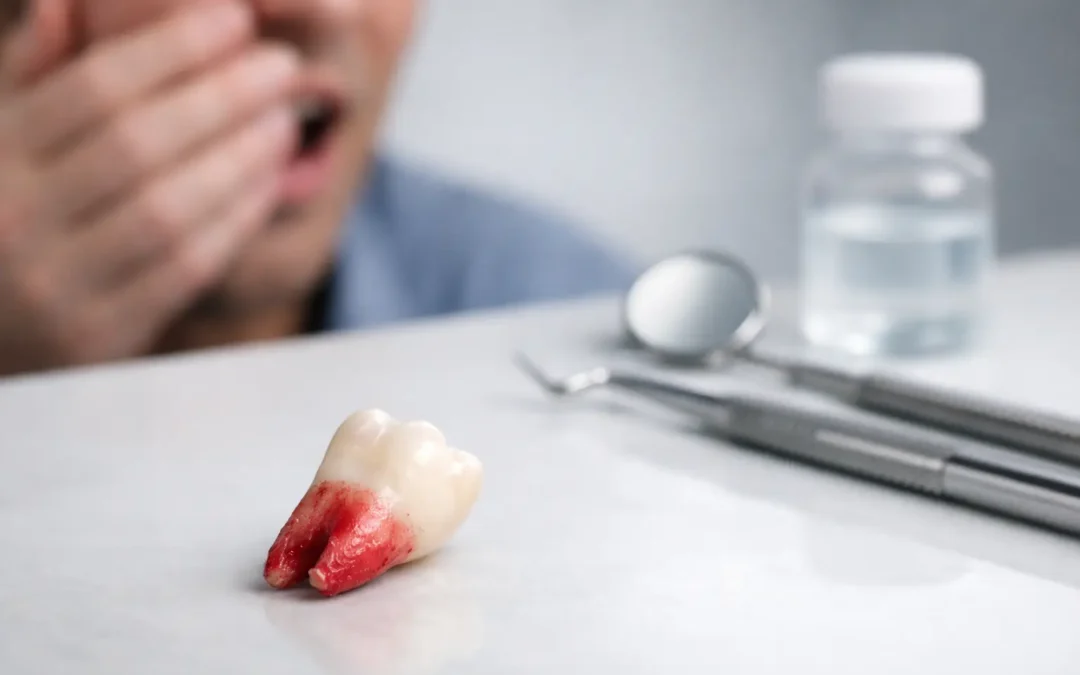
A tooth on the ground after a fall, sports injury, or accident can feel like an instant crisis. The good news is that if you are asking, can a knocked out tooth be saved, the answer is often yes. What happens in the first 30 to 60 minutes can make a major difference, so fast, careful action matters.
A knocked out tooth is one of the few true dental emergencies where timing directly affects whether the natural tooth can be placed back into the socket. In many cases, an adult tooth can be saved if it is handled properly and you get emergency dental care right away. That said, success depends on several factors, including the patient’s age, how the tooth was handled, how long it stayed out of the mouth, and whether the root surface was damaged.
Can a knocked out tooth be saved if you act quickly?
Yes, often it can. Dentists call this an avulsed tooth, which means the tooth has been completely displaced from its socket. If the tooth is intact and the supporting cells on the root stay healthy enough, a dentist may be able to reinsert it and stabilize it.
The fastest response usually offers the best chance. Ideally, the tooth should be placed back in the socket within minutes. Even if that is not possible, the tooth may still be saved if it is kept moist and brought to a dentist immediately. Waiting too long or storing it the wrong way lowers the odds.
This is why emergency care is so important. A knocked out tooth is not something to watch overnight or wait on until the next convenient appointment. The window for saving it is limited.
What to do right away
Stay calm and find the tooth. Pick it up by the crown, which is the part you normally see in the mouth. Do not touch the root unless there is no other way to handle it. The root surface contains delicate cells that help the tooth reattach.
If the tooth is dirty, gently rinse it with milk or saline if available. If those are not available, a brief rinse with water is better than scrubbing it. Do not use soap. Do not wipe it with a tissue. Do not scrape the root clean.
If the person is conscious and able to do so safely, try to place the tooth back into the socket right away. Hold it by the crown and orient it correctly. Once it is in place, bite gently on clean gauze or a soft cloth to keep it steady.
If reinserting the tooth is not possible, keep it moist. The best options are often placing it in milk or keeping it inside the mouth between the cheek and gums if the patient is old enough to avoid swallowing it. A tooth preservation solution is also useful if one is available. Avoid storing it dry in a napkin or container.
Then call an emergency dentist immediately and head to the office as soon as possible.
What not to do with a knocked out tooth
A lot of well-meaning mistakes can reduce the chance of saving the tooth. Do not scrub the tooth, brush the root, wrap it in tissue, or let it dry out. Dry time is one of the biggest problems because the cells on the root surface begin to die quickly.
It is also important not to force the tooth back in if it clearly does not fit or if there may be other serious facial injuries. In that case, keep it moist and get professional care right away. If there is heavy bleeding, possible jaw injury, or loss of consciousness, medical evaluation may also be necessary.
Adult teeth and baby teeth are different
Whether a knocked out tooth can be saved depends in part on whether it is a permanent tooth or a baby tooth. A knocked out permanent tooth should be treated as an emergency because reimplantation may be possible.
A baby tooth is different. Dentists usually do not put a baby tooth back into the socket because doing so can damage the developing adult tooth underneath. If a child loses a tooth in an injury, it is still important to see a dentist promptly. The dentist will check for damage, pain, and whether the tooth was truly a baby tooth or an early permanent tooth.
For parents, this distinction matters. A child around age 6 or 7 may already have some permanent teeth, especially the front teeth. If you are unsure, bring the tooth in and let a dentist evaluate it.
What happens at the dental office
When you arrive, the dentist will examine the tooth, the socket, and the surrounding tissues. X-rays are often needed to check for fractures, confirm positioning, and look for other trauma that may not be obvious.
If the tooth is a good candidate for reimplantation, the dentist may gently place it back into the socket and stabilize it with a small splint. This usually attaches the tooth to neighboring teeth for a period of time while healing begins. The area will also be cleaned, and the dentist will check the bite carefully.
Follow-up care is important. Even when a knocked out tooth is successfully reimplanted, it may still need additional treatment later, such as root canal therapy. Some teeth heal well and remain functional for many years. Others may develop complications despite prompt care. That is why no ethical dentist should promise a guaranteed outcome. Fast action improves the chances, but every case is different.
How long can a tooth stay out and still be saved?
This depends on how the tooth was stored and the condition of the root. Generally, the best outcomes happen when the tooth is replanted within 30 minutes. From there, the chance of long-term success tends to drop, especially if the tooth has been dry.
A tooth that has been kept moist may still be worth trying to save even after a longer period. A dentist will assess whether reimplantation makes sense. In some cases, placing the tooth back temporarily can still help preserve the space and support the surrounding tissues, even if the long-term prognosis is uncertain.
The key point is simple: do not assume it is too late. If a permanent tooth has been knocked out, get seen as quickly as possible and bring the tooth with you.
Can a knocked out tooth always be saved?
No, not always. Sometimes the tooth is fractured, the socket is badly damaged, or too much time has passed. In other cases, the tooth may be replanted successfully at first but fail later because of root resorption, infection, or loss of supporting bone.
That is the trade-off patients should understand. Saving the natural tooth is usually the first goal when it is realistic, but it is not always possible or predictable. The dentist’s job is to act quickly, evaluate honestly, and recommend the option that best protects your oral health.
If the tooth cannot be saved, there are still strong restorative options. Depending on the situation, treatment may include a dental implant, a bridge, or another replacement plan designed to restore appearance and function. For many adults, especially in visible front-tooth areas, replacing a lost tooth is about more than chewing. It also affects speech, confidence, and the overall look of the smile.
Why emergency care matters for your smile and long-term health
Losing a tooth suddenly can be painful and emotionally upsetting. It can also affect the surrounding bone and gum tissue if treatment is delayed. The sooner you are evaluated, the sooner the dentist can address pain, reduce the risk of complications, and guide the next steps.
This is especially important for patients with busy schedules who may be tempted to put it off until the next day. With a knocked out tooth, waiting can change the treatment plan entirely. A visit that might have saved your natural tooth could turn into a tooth replacement case if too much time passes.
At United Dental Specialists, emergency dental situations are treated with the urgency they deserve. Patients need clear guidance, prompt care, and a plan they can trust when something unexpected happens.
If you or a family member has a permanent tooth knocked out, focus on the next right step, not the panic. Handle the tooth carefully, keep it moist, and get to a dentist as fast as you can. Acting quickly gives your smile the best chance to heal well.

Recent Comments