
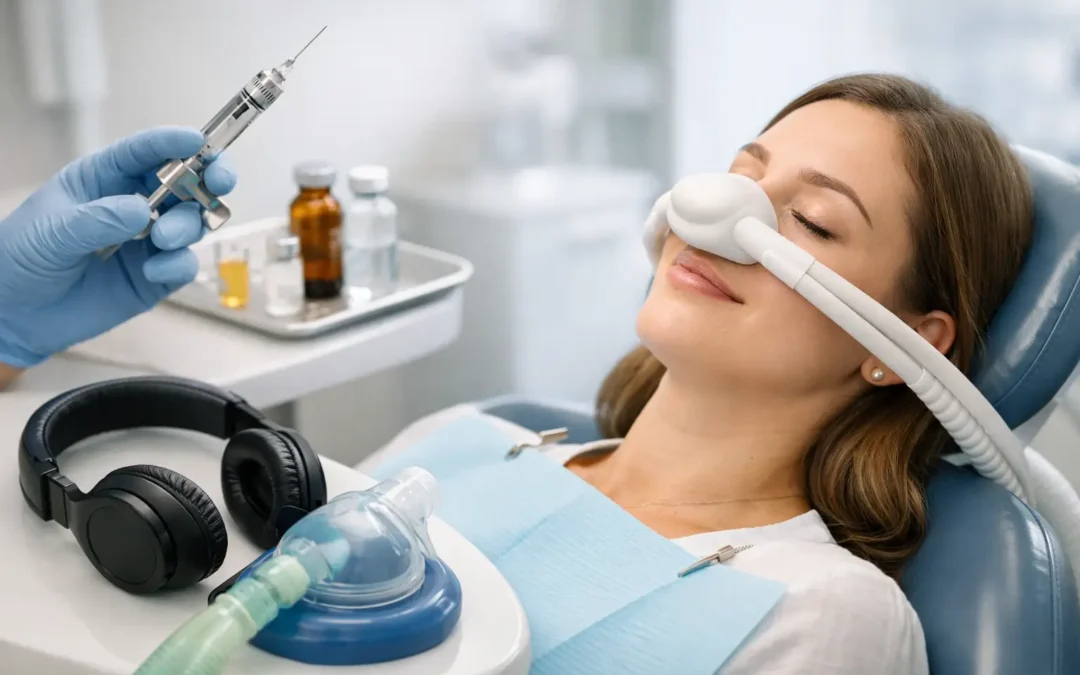
The sound of a dental drill, a difficult past appointment, or simply the feeling of not being in control can make even a routine visit feel overwhelming. Sedation options for dental anxiety can help patients receive the care they need with a greater sense of calm, whether they are coming in for a cleaning, a filling, emergency treatment, or a more involved procedure such as dental implants.
Dental anxiety is common, and it is not something you need to push through alone. The right approach starts with a conversation about what makes you nervous, your health history, and the treatment you need. From there, your dental team can recommend comfort measures or sedation that support a safe, positive experience.
Why dental anxiety deserves a personalized plan
Anxiety can cause patients to delay treatment until a small concern becomes pain, infection, or a more complex dental problem. It can also make it difficult to sit comfortably during longer appointments. A personalized comfort plan helps remove that barrier while allowing your dentist to focus on protecting your oral health and your smile.
Sedation does not always mean being fully asleep. In fact, most patients remain awake and able to respond during dental sedation. The purpose is to reduce fear, ease physical tension, and help the appointment feel more manageable. The best choice depends on your anxiety level, the length and complexity of treatment, your medical history, and whether you will have a trusted adult available to take you home.
Sedation options for dental anxiety: what to expect
Your dentist will explain the option recommended for you, including how it works, how to prepare, and what recovery may look like. Here are the most common approaches.
Comfort-focused care without medication
For mild anxiety, a calmer appointment may not require sedating medication. Simple steps can make a meaningful difference: asking questions before treatment begins, agreeing on a hand signal for breaks, listening to music with headphones, or scheduling enough time so you do not feel rushed.
Many patients also feel more at ease when they know what to expect. Your dental team can explain the steps in clear language, check in frequently, and use effective local anesthetic to keep the treatment area numb. This is often the right starting point for patients who are nervous but still feel able to proceed.
Nitrous oxide
Nitrous oxide, often called laughing gas, is a mild inhaled sedative delivered through a small mask placed over the nose. It creates a relaxed, light feeling while you remain awake and able to communicate. It can be a good option for patients with mild to moderate anxiety, a sensitive gag reflex, or discomfort with dental instruments.
One of its main advantages is that the effects wear off quickly after the mask is removed. Many patients can typically return to their normal activities soon afterward, although your dental team will provide specific guidance based on your appointment and health needs. Nitrous oxide may not be the best fit for every patient, especially when certain respiratory conditions or nasal congestion interfere with comfortable breathing through the nose.
Oral conscious sedation
Oral sedation involves taking a prescribed medication before your appointment. It is generally used for patients with moderate anxiety, those having longer procedures, or people who have avoided dental care because fear feels too strong to manage with relaxation techniques alone.
You will remain conscious, but you may feel deeply relaxed and remember little about the appointment afterward. Because oral sedation can cause drowsiness and slow reaction time, you will need a responsible adult to drive you to and from the office. You should also plan to rest for the remainder of the day rather than returning to work, driving, or making important decisions.
The timing and dose matter. Follow your dentist’s instructions carefully, including guidance about eating, drinking, and taking your regular medications. Do not take any sedative medication unless it has been prescribed or approved by the dental provider managing your care.
IV sedation
For significant dental anxiety or more extensive treatment, IV sedation may be recommended. Medication is administered through a vein and adjusted by the qualified provider throughout the procedure. This allows for a deeper level of relaxation than nitrous oxide or oral sedation while still supporting monitored, personalized care.
Patients receiving IV sedation are often very relaxed and may have little memory of the procedure. Continuous monitoring is an essential part of this option. Your dental team will review whether you are a candidate based on your overall health, treatment needs, medications, and medical history. You will need someone to bring you home and stay with you as directed after the appointment.
General anesthesia
General anesthesia is different from the options above because it places a patient into a controlled state of unconsciousness. It is not typically necessary for routine dental treatment, but it may be considered in specific circumstances, such as certain complex surgical procedures, severe treatment limitations, or particular medical and behavioral needs.
This level of anesthesia requires specialized planning, trained professionals, and an appropriate setting. If it is being considered, your dentist will discuss the reasons, the available alternatives, and the safety protocols involved.
Choosing the right level of sedation
There is no single “best” sedation choice for every patient. Someone who feels uneasy during cleanings may do well with reassurance and nitrous oxide. A patient receiving multiple implants, needing emergency treatment after months of avoidance, or facing a long restorative appointment may benefit from a deeper level of sedation.
Your dentist will consider more than anxiety alone. Important factors include your age, weight, medical conditions, allergies, current medications, history of sleep apnea, pregnancy status, and previous experiences with anesthesia. Be candid during your consultation. Sharing this information helps your team recommend the safest and most effective path forward.
It is also helpful to discuss your goals. Are you mainly concerned about needles, pain, gagging, feeling trapped in the chair, or the length of the appointment? Each concern may call for a slightly different solution. For example, excellent local anesthesia addresses pain control, while sedation primarily helps with anxiety and relaxation. Many procedures use both.
How to prepare for a comfortable appointment
Once a sedation plan is selected, preparation is part of keeping your visit safe. Your dental office will give you instructions tailored to the medication and procedure. Follow them closely, even if you have had sedation before.
If you are receiving oral or IV sedation, arrange transportation before the day of treatment. Wear comfortable clothing, avoid alcohol or unapproved medications, and ask in advance whether you should eat or fast. Bring an updated list of medications and supplements, and let the office know if you develop a cold, fever, or any change in your health before the appointment.
After sedation, give yourself permission to recover. Drowsiness, temporary grogginess, and limited recall can be normal depending on the method used. Have a quiet plan for the day, follow post-treatment instructions, and contact your dental office promptly if anything feels unusual or concerning.
Do not let anxiety decide when you get care
Avoiding dental care can feel like short-term relief, but it often gives problems more time to progress. The good news is that anxiety can be addressed with compassion, planning, and appropriate sedation. At United Dental Specialists, patients can discuss their concerns openly and receive care built around their comfort, health needs, and smile goals.
A calm dental experience begins before you sit in the chair. Tell your dental team what has made appointments difficult in the past, ask about the options available for your treatment, and choose a plan that helps you move forward with confidence.

Recent Comments