
Losing a tooth changes more than your smile. It can affect the way you eat, the way you speak, and even how comfortable you feel in conversations or photos. If you have been weighing your options, you have probably asked the same question many patients do: are dental implants worth it?
For many adults, the answer is yes – but not for exactly the same reason in every case. Dental implants can be a strong long-term investment in comfort, function, and confidence. At the same time, they do require a higher upfront cost, a healing period, and the right oral health conditions to succeed. The real value comes from looking at what you need now and what you want your smile to do for you over the next several years.
Are dental implants worth it for long-term tooth replacement?
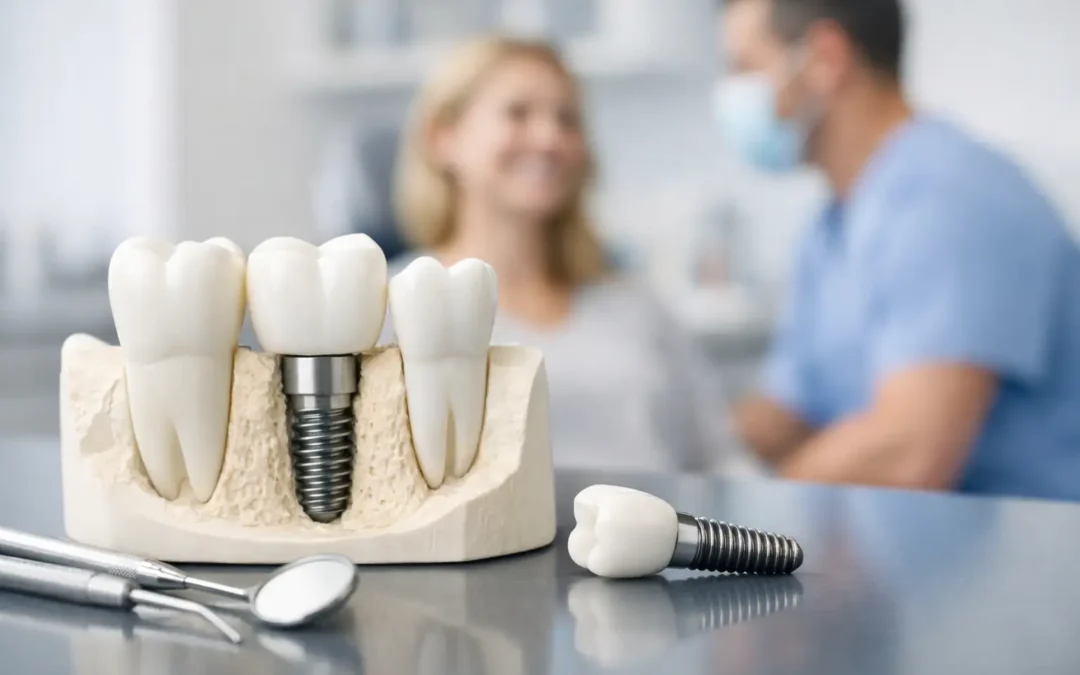
If your goal is to replace a missing tooth in a way that feels stable and natural, implants are often the closest option to having your real tooth back. A dental implant is placed in the jawbone and acts like an artificial tooth root. Once it heals, it supports a crown, bridge, or full-arch restoration.
That matters because most other tooth replacement options sit on top of the gums or rely on neighboring teeth for support. Implants work differently. They are designed to become part of your oral foundation, which can make chewing feel stronger and your smile look more natural.
For patients who are tired of removable appliances, worried about shifting teeth, or frustrated by a gap that affects daily life, that difference can be significant. The question is not only whether implants cost more at the beginning. It is whether they provide enough day-to-day value to justify that cost over time.
What makes implants worth the cost for many patients
The biggest reason patients choose implants is simple: they restore function in a way that feels secure. When you bite into food, talk with other people, or smile without thinking about a missing tooth, that confidence has real value.
Implants also help preserve the jawbone. When a tooth is missing, the bone in that area no longer gets the stimulation it once did from the tooth root. Over time, that can lead to bone loss and changes in facial shape. An implant helps maintain that stimulation, which is one reason it is often seen as a more complete restorative option.
There is also the benefit of protecting nearby teeth. A traditional bridge can be an excellent solution in some cases, but it may require reshaping healthy adjacent teeth to support it. A single implant usually stands on its own. For patients who want to replace one missing tooth without affecting the neighboring teeth, that can be a major advantage.
Appearance matters too. A well-planned implant restoration is designed to blend with the rest of your smile. For many image-conscious adults and working professionals, that natural look is part of what makes the treatment feel worthwhile.
When dental implants may not feel worth it
Implants are not automatically the right answer for everyone. If you are looking for the lowest initial cost, another treatment may make more sense. Dentures and bridges can solve important problems and may be more accessible depending on your budget and timeline.
Some patients also need preliminary treatment before getting implants. That may include gum therapy, tooth extraction, or bone grafting. If your mouth needs a healthier foundation first, the process can take longer and cost more than you expected.
Medical history can also affect the decision. Conditions that influence healing, smoking habits, and untreated periodontal disease may reduce implant success or require closer planning. This does not always mean implants are off the table. It means the answer depends on your health, goals, and willingness to commit to the process.
There is also a lifestyle factor. Implants do not get cavities, but they still need excellent home care and regular dental visits. If maintenance has been difficult in the past, it is worth talking honestly with your dentist about whether you are ready for that responsibility.
Comparing implants to other tooth replacement options
A removable denture can restore appearance and some function, but many patients find that it shifts, rubs, or limits the foods they feel comfortable eating. Over time, changes in the jaw can also affect fit, which may mean adjustments or replacement.
A dental bridge is fixed and often faster to complete than an implant. It can be a very good option in the right situation, especially if neighboring teeth already need crowns. Still, bridges do not replace the missing root in the jaw, so they do not offer the same bone-preserving benefit.
Implants usually ask more from you upfront, but they often offer more in return when it comes to stability, bite strength, and long-term comfort. That is why many patients who were originally focused only on price begin to look at total value instead.
Are dental implants worth it if you need more than one tooth replaced?
This is where implants can become even more impactful. If you are missing several teeth, or all teeth in an arch, implant-supported solutions can dramatically improve stability compared with traditional removable dentures.
For example, implant-supported bridges and full-arch treatments such as All-on-4 can help patients eat more confidently, reduce movement, and achieve a more secure fit. For someone who has struggled with loose dentures or has avoided treatment because they assumed their only option was a removable appliance, implants can change daily life in a very practical way.
That said, the investment is larger, and treatment planning becomes more detailed. The right choice depends on how many teeth are missing, the condition of the jawbone, and what level of function and appearance you want to restore.
The financial side of the decision
Cost is often the first concern, and understandably so. Dental implants usually have a higher initial fee than bridges or dentures. The price can vary based on the number of implants, the need for additional procedures, and the type of restoration being placed.
But worth is not the same as price. A bridge or denture may cost less at first, yet repairs, replacements, adhesives, relines, or adjustments can add up over time. Implants are often chosen because they are built as a long-term solution, not a short-term fix.
It is also worth factoring in the less obvious costs of missing teeth: avoiding certain foods, feeling self-conscious in social settings, and dealing with shifting teeth or bone loss later. Those issues are not always easy to measure, but they do affect quality of life.
A good consultation should include a clear discussion of options, timing, and budget. Patients deserve to understand not just what treatment costs, but what they are paying for in terms of durability, comfort, and future oral health.
Who is usually a good candidate
Most healthy adults with missing teeth can be considered for implants, but a proper exam is essential. Your dentist will look at bone support, gum health, bite alignment, and any medical or lifestyle factors that may affect healing.
If you have been told in the past that you are not a candidate, it may still be worth getting a current evaluation. Modern imaging and treatment planning allow many patients to qualify for implant care with the right preparation.
At United Dental Specialists, patients often appreciate having this conversation in a straightforward, personalized way. The goal is not to push one solution for everyone. It is to build a treatment plan that fits your health, appearance goals, and budget.
So, are dental implants worth it?
They are often worth it for patients who want a stable, natural-feeling replacement that supports both function and appearance for years to come. They may be less worth it if your priority is only the lowest upfront cost or if you are not ready for the time and care the process involves.
The best answer comes from matching the treatment to the person. If a missing tooth is affecting the way you eat, speak, or feel about your smile, implants may offer benefits that go far beyond filling a gap. A thoughtful consultation can tell you whether they make sense for your mouth, your lifestyle, and your long-term plans for your smile.
If you are considering your next step, focus less on whether implants are expensive and more on whether they solve the problem in a lasting way. For many patients, that is what makes them worth it.

Recent Comments