
A missing molar can change more than the way you chew. It can make you favor one side of your mouth, avoid certain foods, and feel self-conscious when you laugh or speak. The best treatments for missing molars restore dependable chewing power while helping protect the teeth, jawbone, and bite around the open space.
Molars do the heavy work of grinding food, so replacing one is not simply a cosmetic decision. The right choice depends on where the tooth is missing, the health of nearby teeth and gums, the amount of available jawbone, and your goals for comfort, longevity, and budget. A personalized dental evaluation is the clearest way to decide what will serve your smile well for years to come.
Why a Missing Molar Deserves Attention
When a back tooth is gone, it may be tempting to leave the space alone, especially if it is not visible when you smile. But teeth are designed to work together. Over time, neighboring teeth can drift or tip toward the gap, while the tooth above may begin moving downward because it no longer has an opposing tooth.
That movement can alter your bite and make brushing and flossing more difficult. A missing molar can also put extra pressure on teeth on the other side of your mouth. For some patients, that leads to uneven wear, jaw discomfort, or a greater risk of damaging already stressed teeth.
The jawbone beneath a missing tooth also receives less stimulation. Gradual bone loss may occur after extraction, which can affect the support available for a future restoration. Acting early often gives you more treatment options, but even if the tooth has been missing for years, solutions may still be available.
Best Treatments for Missing Molars
There is no single answer for every patient. A strong treatment plan balances function, oral health, appearance, treatment time, and cost. These are the most common options your dentist may discuss.
Dental implants
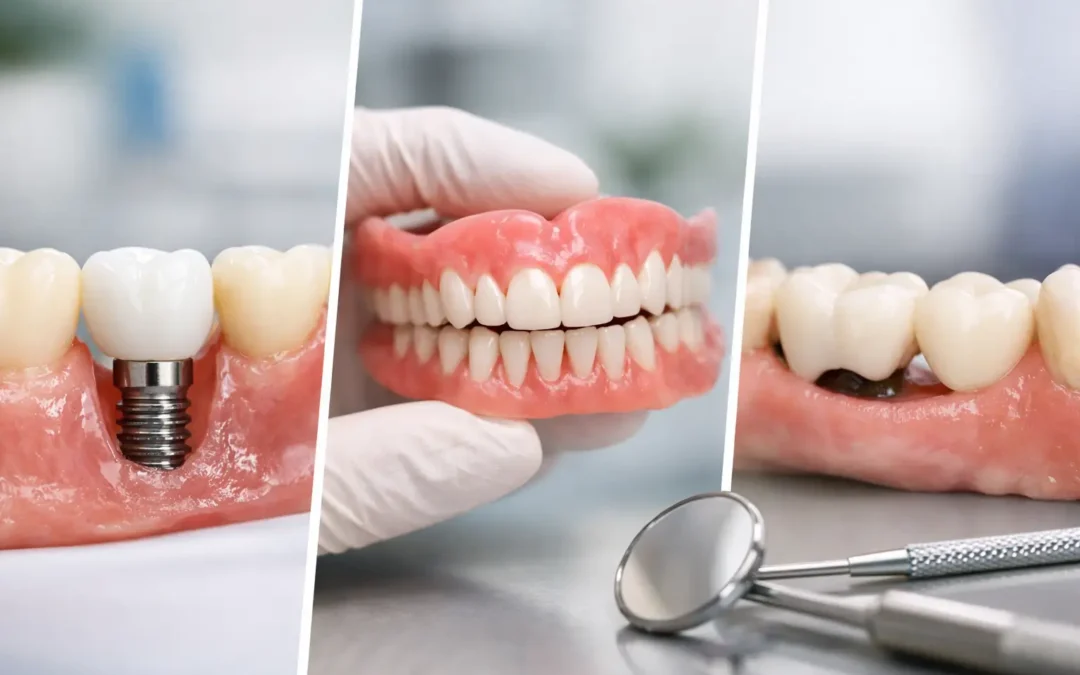
For many adults, a dental implant is the closest replacement for a natural molar. The implant is a small post placed in the jawbone to replace the missing root. After healing, it supports a custom crown designed to blend with your surrounding teeth.
Because an implant stands independently, it does not require the dentist to reshape healthy neighboring teeth. It also helps stimulate the jawbone, which is a meaningful advantage for long-term oral health. Implant crowns are made to handle normal chewing forces, allowing many patients to enjoy a broad range of foods with confidence.
Implant treatment does require adequate bone support and healthy gums. Healing time is part of the process, although some cases may qualify for an immediate temporary tooth. If bone has diminished, a grafting procedure may be recommended before or during implant placement. This adds time and cost, but it can create a stronger foundation for a lasting result.
For patients replacing one missing molar, an implant is often an excellent long-term investment. It is particularly appealing when the teeth on either side of the space are healthy and do not need crowns themselves.
A fixed dental bridge
A traditional dental bridge replaces a missing tooth by connecting a replacement crown to crowns placed on the teeth next to the gap. It is fixed in place, so you do not remove it at home, and it can restore chewing ability and the appearance of a complete smile relatively quickly.
A bridge may be a practical choice when the neighboring teeth already have large fillings, existing crowns, or damage that makes crown coverage beneficial. It can also be a good option for patients who are not candidates for implant surgery or who prefer not to undergo a surgical procedure.
The main trade-off is that a conventional bridge requires shaping the supporting teeth. It also does not replace the root below the gumline, so it cannot preserve jawbone in the same way an implant can. With attentive brushing, flossing beneath the bridge, and routine dental visits, a well-made bridge can provide many years of reliable service.
Removable partial dentures
A removable partial denture uses replacement teeth attached to a custom base that rests against the gums and connects to remaining teeth. It can replace one molar or several missing teeth and is generally a more affordable starting point than fixed options.
For a patient missing multiple back teeth, a partial denture may restore daily function without requiring treatment on every space at once. Modern designs can be more natural-looking and comfortable than many people expect. Still, a removable appliance may feel less stable than an implant or bridge, especially when chewing firm foods.
Partial dentures require daily removal and cleaning. They also need periodic adjustments as your gums and bone change over time. This option can be a helpful solution when budget, health history, or the number of missing teeth makes a fixed restoration less suitable.
Implant-supported bridges and full-arch options
When several molars are missing in the same area, placing an individual implant for every tooth may not always be necessary. An implant-supported bridge can use strategically placed implants to support multiple replacement teeth. This provides greater stability than a removable partial denture while avoiding the need to use natural teeth as supports.
For patients with extensive tooth loss or failing teeth across an entire arch, full-arch implant treatment, including All-on-4 options, may be considered. This is a more comprehensive solution designed to restore a full set of functional teeth. It is not the standard treatment for one missing molar, but it can be life-changing when missing back teeth are part of a larger pattern of dental problems.
When Leaving the Space May Be Reasonable
Not every missing molar requires immediate replacement. For example, if a wisdom tooth was removed and it does not affect your bite, replacement is rarely needed. In a few cases, the very last molar may be missing while the remaining bite is stable and functional.
Even then, the decision should be based on an exam and digital imaging rather than guesswork. Your dentist can assess whether teeth are shifting, whether the opposing tooth is over-erupting, and whether the space is affecting chewing or jaw health. Monitoring may be appropriate, but it should be an intentional plan with regular follow-up.
How to Choose the Right Molar Replacement
Start with the condition of the teeth beside the gap. Healthy adjacent teeth often make an implant especially attractive because they can remain untouched. If those teeth already need crowns, a bridge may make more sense.
Next, consider your health history and timeline. Implant treatment takes planning and healing, while a bridge can often be completed sooner. Gum disease must be treated and controlled before either option can succeed long term. If you clench or grind your teeth, a protective nightguard may also be recommended to protect your new restoration.
Your budget matters, too. The least expensive option upfront is not always the most economical over decades of care. Ask about expected maintenance, potential future replacement, and the long-term effect each option may have on surrounding teeth and bone. Clear conversations about cost and priorities help create a plan that feels realistic, not rushed.
What to Expect From Your Consultation
A thorough consultation should include an examination of your bite, gums, remaining teeth, and jawbone. Digital X-rays or 3D imaging may be used to evaluate the implant site and identify concerns that are not visible during a routine exam.
You should leave with a clear explanation of your options, the expected treatment sequence, healing time, and how to care for the final restoration. At United Dental Specialists, treatment planning is centered on your comfort, function, and confidence, so you can understand the path forward before making a decision.
A missing molar does not have to limit what you eat or how confidently you live. Schedule a consultation to find a replacement option that fits your health, your priorities, and the future of your smile.

Recent Comments