
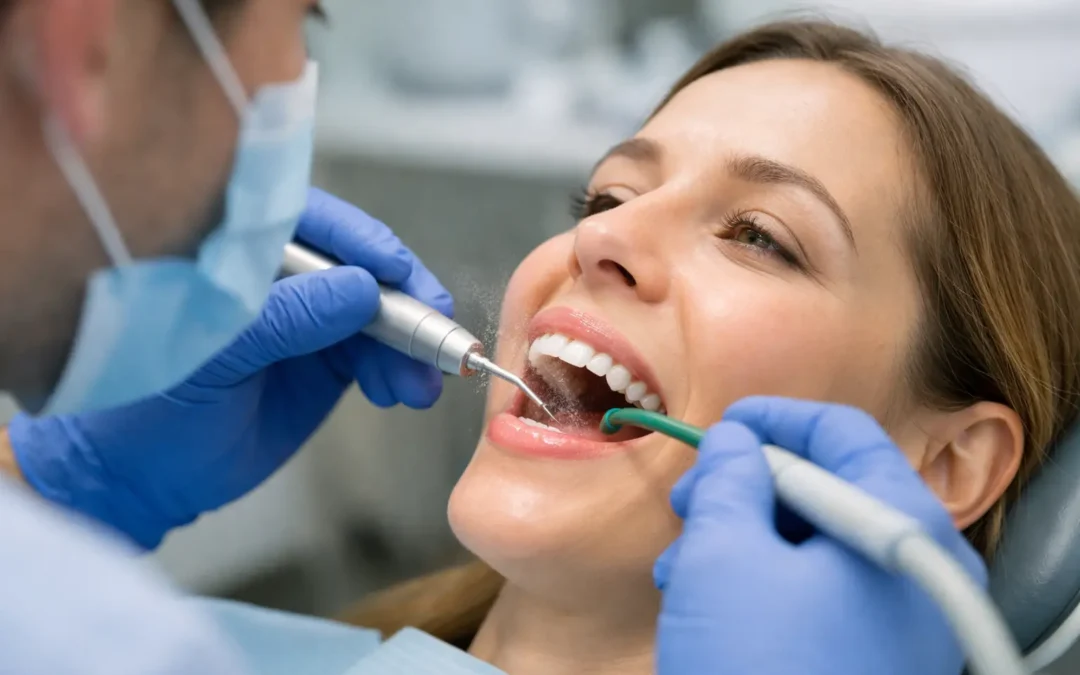
If your dental team has mentioned gum pockets, bleeding gums, or tartar below the gumline, a deep cleaning teeth procedure may be the next step in protecting your smile. This treatment is not simply a more intensive version of a routine cleaning. It is targeted periodontal care designed to remove harmful buildup where a toothbrush and standard cleaning cannot reach.
For many patients, hearing the words “deep cleaning” can raise questions about comfort, cost, and whether treatment is truly necessary. The good news is that a clear exam and personalized treatment plan can make the process straightforward. When gum disease is addressed early, deep cleaning may help preserve your natural teeth, reduce inflammation, and support healthier gums for the long term.
What Is a Deep Cleaning Teeth Procedure?
A deep cleaning teeth procedure, clinically called scaling and root planing, treats plaque and hardened tartar that have collected beneath the gumline. When bacteria remain in this area, they can irritate the gums and cause them to pull away from the teeth. This creates periodontal pockets, which give bacteria even more room to accumulate.
During scaling, your dental professional carefully removes plaque, tartar, and bacterial deposits from the tooth surfaces and below the gums. Root planing then smooths the tooth roots. A smoother root surface makes it harder for bacteria to cling to the teeth and gives the gums a better opportunity to heal and reattach.
Routine cleanings are preventive visits for patients with generally healthy gums. Deep cleaning is recommended when signs of gum disease are present. It is not a cosmetic whitening treatment, and it does not replace daily brushing and flossing. It is a therapeutic procedure focused on stopping or slowing the damage caused by periodontal infection.
When Might You Need Deep Cleaning?
Gum disease often progresses quietly. You may not experience severe pain, even as inflammation and bone loss begin to affect the tissues supporting your teeth. That is why regular exams and periodontal measurements matter.
Your dentist may recommend deep cleaning if your gums bleed easily, look swollen or red, or have started to recede. Persistent bad breath, a bad taste in the mouth, tenderness when chewing, and teeth that feel loose can also be warning signs. During an exam, the team measures the space between each tooth and gum. Deeper pockets, particularly when paired with bleeding or tartar buildup, can indicate that scaling and root planing is appropriate.
X-rays may also show changes in the bone supporting your teeth. A recommendation for deep cleaning does not automatically mean you have advanced gum disease or that you will lose teeth. It means your dentist has identified an issue that needs more than a standard preventive cleaning.
What Happens During the Appointment?
Your treatment begins with a review of your gum health, dental history, and any concerns you have about sensitivity or anxiety. Your dentist or hygienist will explain which areas need treatment and whether your mouth can be treated in one visit or divided into two or more appointments.
Most deep cleanings are performed with local anesthetic to numb the treatment area. You should feel pressure and vibration, but you should not feel sharp pain. If you are nervous, say so before treatment begins. Comfort options and a slower pace can make a meaningful difference.
The clinician uses specialized hand instruments and ultrasonic technology to gently break up and remove tartar from below the gums. The ultrasonic tool uses vibration and water to flush away deposits, while hand instruments allow careful cleaning around root surfaces and in areas that need added precision.
The length of the visit depends on how much of the mouth requires treatment and how much buildup is present. Some patients complete care in one longer appointment, while others have the mouth treated by sections. Dividing treatment can help keep you comfortable and allow the gums time to begin healing.
Does Deep Cleaning Teeth Treatment Hurt?
The experience varies from person to person, but deep cleaning is usually very manageable with proper numbing. Your gums may be tender for a few days afterward, especially if there was significant inflammation before treatment. Mild sensitivity to hot, cold, or pressure can occur as the gums heal and shrink closer to the teeth.
Over-the-counter pain relief may be recommended if it is safe for you to take, and a warm saltwater rinse can soothe irritated gums. Your dental team may also suggest a prescription rinse or other periodontal care based on your specific condition.
Call your dental office if you have worsening pain, swelling, fever, prolonged bleeding, or discomfort that does not improve. These symptoms are not typical and deserve prompt attention.
How to Care for Your Gums After Treatment
The work completed in the dental chair is only part of the process. Your daily habits determine how well your gums heal and how effectively you maintain the results. Brush twice a day with a soft-bristled toothbrush, clean between your teeth daily, and follow any instructions for rinses or specialized products.
For the first day or two, softer foods may feel more comfortable if your gums are sensitive. Avoid tobacco products, which can slow healing and increase the risk of gum disease progressing. If you have diabetes or another condition that affects healing, keeping it well managed is also part of protecting your periodontal health.
Many patients need a follow-up evaluation several weeks after deep cleaning. At that visit, the dental team remeasures your pockets, checks for bleeding, and evaluates how your gums responded. Some patients return to routine six-month cleanings. Others benefit from periodontal maintenance visits every three or four months. The right interval depends on your gum health, home care, and risk factors.
What Results Can You Expect?
A successful deep cleaning can reduce gum inflammation, bleeding, and bad breath while helping periodontal pockets become shallower. Patients often notice that their mouth feels cleaner and their gums feel less tender once healing begins.
The treatment can slow the progression of gum disease, but it cannot always reverse bone loss that has already occurred. If disease is more advanced, additional periodontal treatment may be needed. The earlier you address gum infection, the better the chance of protecting the bone and tissues that keep your teeth stable.
Deep cleaning can also be an important first step before cosmetic or restorative care. Healthy gums create a better foundation for treatments such as veneers, crowns, dental implants, or Invisalign. A beautiful smile should also have the healthy support it needs to last.
Costs, Insurance, and Your Treatment Plan
The cost of scaling and root planing depends on the number of areas treated, the severity of gum disease, and whether follow-up periodontal maintenance is needed. Many dental insurance plans provide some coverage when deep cleaning is medically necessary, although deductibles, annual maximums, and out-of-pocket costs vary.
A trusted dental office should review your findings, explain why treatment is recommended, and discuss fees before care begins. Do not hesitate to ask what the periodontal measurements mean, whether treatment can be phased, and what maintenance will look like afterward. Clear answers help you make a confident decision for your health and budget.
At United Dental Specialists, patients receive personalized care that looks beyond a single appointment. If your gums are bleeding, tender, or overdue for an exam, scheduling a periodontal evaluation can give you a clear picture of what your smile needs. Taking action now can help you keep your natural teeth, feel more comfortable, and move forward with the confidence of a healthier smile.

Recent Comments