by Dr. David Bennett | May 20, 2026 | Uncategorized |
If you are reading an All on 4 dental implants review, chances are you are tired of dealing with missing teeth, loose dentures, or the daily frustration of not being able to chew comfortably. Most patients are not looking for theory. They want to know one thing – does this treatment actually work in real life, and is it worth the investment?
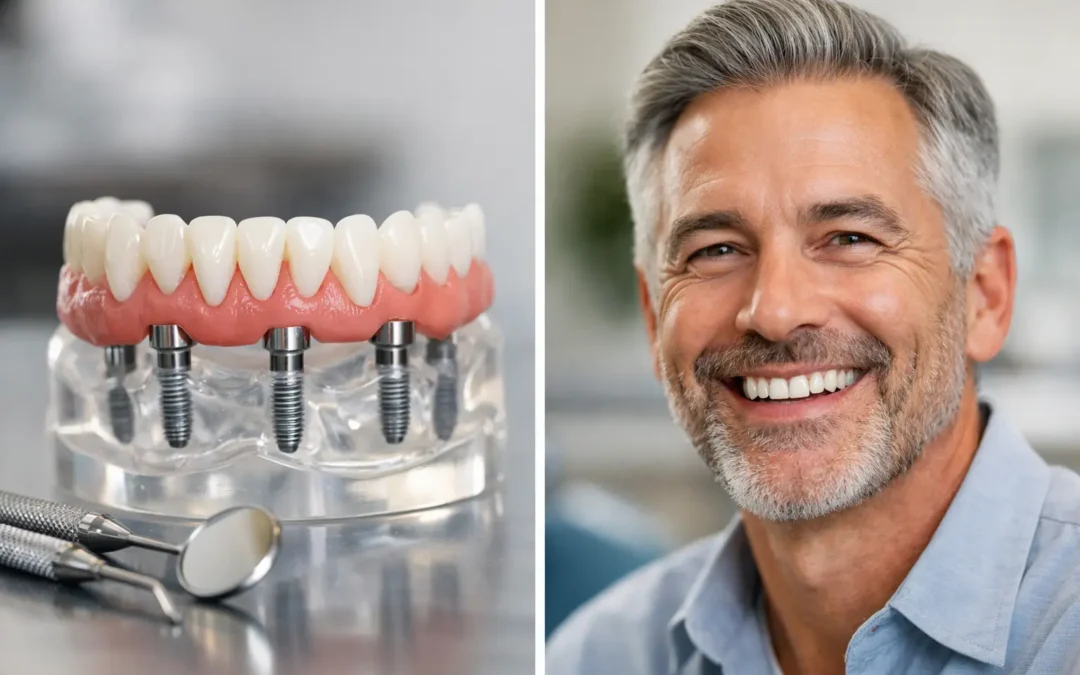
The short answer is that All-on-4 can be a life-changing option for the right patient. It is designed to replace a full arch of missing or failing teeth using four strategically placed implants that support a fixed set of prosthetic teeth. For many adults, that means better stability, stronger bite function, and a smile that feels more secure than traditional removable dentures. But like any advanced dental treatment, the experience depends on your oral health, bone structure, goals, and expectations.
What this All on 4 dental implants review really comes down to
A good review of All-on-4 should go beyond before-and-after photos. The real value is understanding what patients tend to love, where concerns come up, and what makes someone a strong candidate.
Most positive feedback centers on comfort and confidence. Patients often say they can eat more normally, speak more clearly, and stop worrying about dentures shifting at the wrong moment. That matters in everyday life, whether you are at work, out with family, or simply trying to enjoy a meal without thinking about your teeth.
The most common hesitation is the upfront commitment. All-on-4 is not a casual procedure. It requires planning, imaging, surgery, healing time, and long-term maintenance. For patients who want a fixed solution and are ready to invest in lasting results, that trade-off often feels worthwhile. For others, a removable denture or another implant approach may be more realistic.
How All-on-4 works
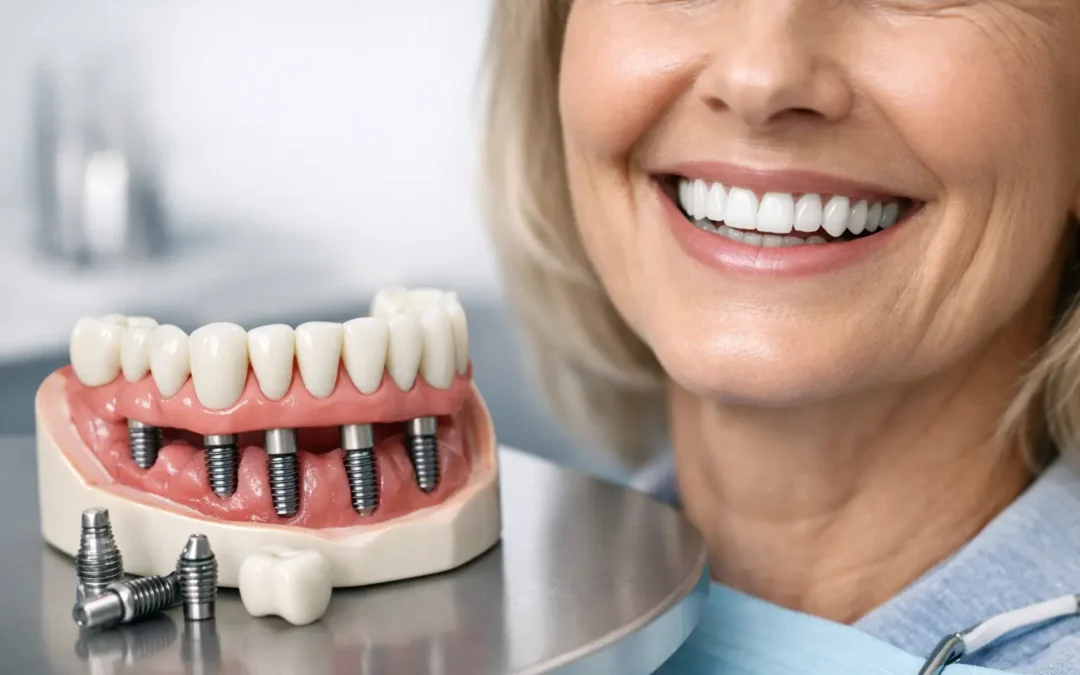
All-on-4 uses four dental implants to anchor a full upper or lower arch of replacement teeth. The implants are placed in areas of the jaw where bone support is strongest. In many cases, the back implants are angled to improve stability and reduce the need for additional bone grafting.
One reason this treatment gets so much attention is efficiency. Instead of replacing each missing tooth with its own implant, All-on-4 supports a full arch with just four implants. That can reduce surgical complexity while still delivering a fixed result.
Many patients also receive a temporary prosthesis the same day or soon after implant placement. This is often called same-day teeth, although healing still takes time and the final restoration comes later. The immediate improvement in appearance is a major reason people feel encouraged early in the process.
The biggest advantages patients talk about
When people leave strong All-on-4 reviews, they usually mention quality of life first. A fixed restoration changes daily routines in a very practical way.
Chewing tends to improve because the prosthetic is secured to implants rather than resting on the gums. Speech can feel more natural because there is less movement compared with removable dentures. Many patients also notice an emotional benefit. They smile more freely, feel less self-conscious in social settings, and stop planning their day around denture adhesives or discomfort.
Another advantage is appearance. A well-designed All-on-4 restoration can restore facial support and create a balanced, attractive smile. That is especially meaningful for patients who have lived with broken, worn, or missing teeth for years.
There is also a bone-health benefit worth mentioning. Dental implants stimulate the jawbone in a way dentures do not. While no treatment stops every change over time, implants can help reduce the bone loss that commonly follows tooth loss.
The downsides you should know before deciding
An honest All on 4 dental implants review also needs to cover limitations. This treatment is highly effective, but it is not perfect for every patient.
Cost is one of the biggest factors. All-on-4 is a premium restorative option, and while many patients see it as a long-term investment, it can still be a significant financial decision. The exact price varies based on the materials used, whether extractions are needed, and whether one or both arches are being treated.
Healing is another reality check. Even if you leave with a beautiful temporary smile, your mouth still needs time to recover. During the healing period, patients are usually asked to follow a softer diet and be careful not to overload the implants.
Maintenance matters too. Because the restoration is fixed, you cannot treat it like natural teeth and forget about it. Good home care and regular professional visits are essential. Food debris and plaque can collect around the prosthesis if cleaning is neglected, which can affect the health of the implants.
There is also the question of fit. Some patients expect All-on-4 to feel exactly like the teeth they had at 20. That is not always realistic. It can feel very natural and very secure, but it is still a prosthetic restoration supported by implants. The best outcomes happen when expectations are clear from the beginning.
Who is a good candidate for All-on-4?
The best candidates are usually adults who are missing most or all of their teeth in one arch, or who have multiple failing teeth that are no longer good long-term options. It can also be a strong solution for people who are frustrated with removable dentures and want something more stable.
You also need healthy enough bone and gum support for implant placement, although one of the benefits of All-on-4 is that it may work for some patients who have experienced bone loss. A full evaluation is still necessary. Imaging, bite analysis, and a review of your medical history all play a role.
Smoking, uncontrolled diabetes, active gum disease, and certain health conditions can affect healing and long-term success. These factors do not always rule treatment out, but they do need to be addressed honestly.
What the treatment process feels like
For most patients, the process starts with a consultation and detailed imaging. This is where your dentist evaluates bone levels, discusses goals, and explains whether All-on-4 is the best fit or if another approach would be smarter.
If treatment moves forward, failing teeth may be removed and the implants placed in the same appointment. Sedation options can help make the procedure more comfortable, which is an important concern for many patients who have delayed treatment out of fear.
After surgery, some swelling and soreness are normal. Most patients describe the early recovery as manageable, especially when they follow post-op instructions carefully. Temporary teeth allow you to maintain appearance during healing, but they are not the final version.
Once the implants integrate with the bone, the final restoration is made. This is the part patients are often most excited about because it is more refined, stronger, and designed for long-term function and aesthetics.
Cost, value, and what patients are really paying for
When patients compare options, they often focus on the number on the estimate. That is understandable, but it helps to look at value, not just price.
With All-on-4, you are paying for diagnostics, surgical planning, implant placement, a temporary prosthesis, the final restoration, and the skill of a team that knows how to coordinate the entire case. You are also investing in a treatment designed to restore function, appearance, and confidence in a way that removable options often cannot.
That said, value is personal. If you want the lowest upfront cost, All-on-4 may not be your first choice. If you want long-term stability and a more secure daily experience, it often stands out as one of the strongest full-arch options available.
All on 4 dental implants review: Are they worth it?
For the right patient, yes – often very much so. The strongest reviews usually come from people who were dealing with major tooth loss, discomfort, or embarrassment and finally feel like themselves again after treatment.
Still, worth it does not mean easy or automatic. Success depends on careful planning, realistic expectations, and ongoing maintenance. The procedure can deliver excellent function and a major confidence boost, but it should be chosen because it fits your needs, not because it sounds impressive.
At United Dental Specialists, patients considering full-arch implant treatment are guided through that decision with a personalized, straightforward approach. That matters, because the best dental decisions happen when you understand both the benefits and the trade-offs.
If you are weighing dentures against a more fixed solution, the next step is not guessing from online reviews alone. A professional evaluation can tell you whether All-on-4 makes sense for your smile, your bone health, and your long-term goals. The right treatment should not just replace teeth. It should help you feel comfortable, capable, and confident every day.
by Dr. David Bennett | May 18, 2026 | Uncategorized |
If you are weighing Invisalign vs clear aligners, you are probably not just choosing between trays. You are choosing how much clinical oversight you want, how complex your case may be, and how confident you want to feel throughout treatment.
That matters more than most people realize. Clear aligner treatment can look simple from the outside – a series of nearly invisible trays that gradually move teeth into place. But the quality of the planning behind those trays often makes the biggest difference in comfort, timing, and results.
Invisalign vs clear aligners: the basic difference
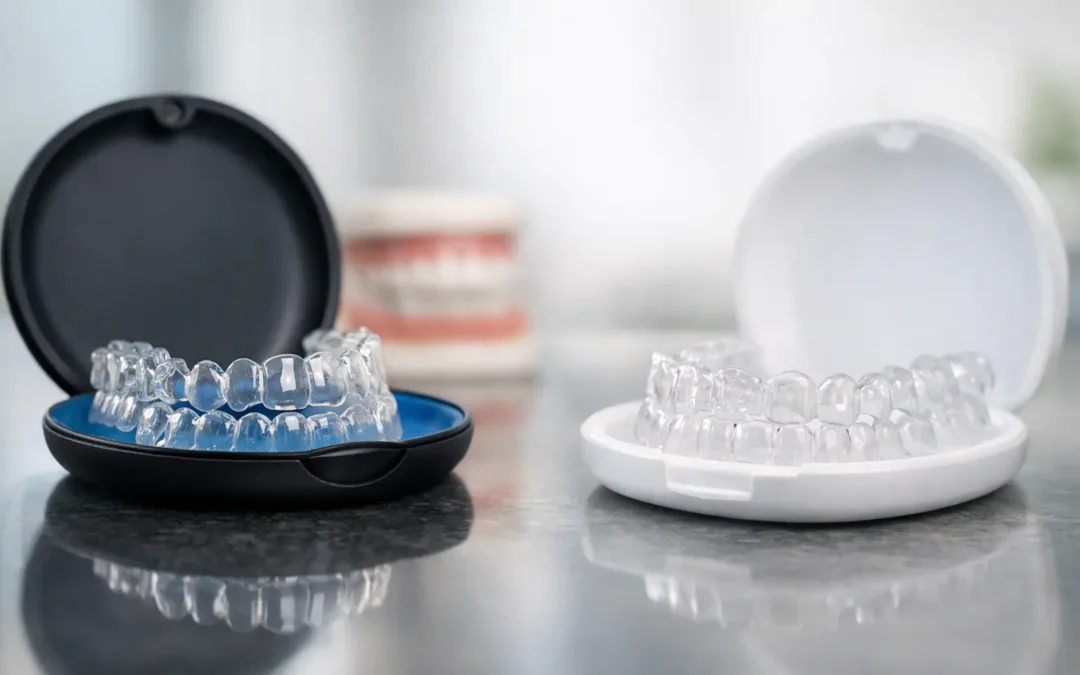
Invisalign is a specific brand of clear aligner treatment provided through licensed dental professionals. When people say “clear aligners,” they may mean Invisalign, but they may also mean other in-office systems or direct-to-consumer options.
So this is not always a brand-versus-brand comparison. In many cases, it is a doctor-supervised system versus a broader category that can vary quite a bit in quality, materials, monitoring, and treatment scope.
That distinction is important because not all clear aligners are built for the same kind of tooth movement. Some are best for mild crowding or spacing. Others can address more involved bite issues when treatment is carefully planned and monitored by an experienced dentist.
Why patients compare them in the first place
Most adults who ask about aligners want the same things. They want a straighter smile without metal braces. They want something discreet for work, social events, and photos. They also want a treatment plan that fits real life.
For many patients in Doral, Miami Lakes, and nearby communities, the decision usually comes down to four practical questions: Will it work for my smile? How long will it take? How visible will it be? And what will the full process actually feel like?
Those are the right questions to ask. A lower upfront price can look appealing, but if treatment is poorly planned or limited to cosmetic tooth movement without addressing bite concerns, it may not deliver the result you expected.
How Invisalign is different
Invisalign has become the most recognized name in clear aligner therapy for a reason. It combines custom aligners, digital treatment planning, and ongoing professional oversight. Patients are typically evaluated in person, their oral health is checked first, and treatment is built around the position of the teeth, gums, jaw alignment, and smile goals.
That in-person evaluation matters. Before moving teeth, a dentist needs to know whether there are cavities, gum disease, worn teeth, or bite issues that should be addressed first. Straightening teeth is not just a cosmetic decision. It works best when the foundation is healthy.
Invisalign can also be a better fit for cases that are more than minor. Depending on the situation, it may be used to treat crowding, spacing, overbites, underbites, crossbites, and relapse after previous orthodontic treatment. Not every case is ideal for aligners, but Invisalign tends to offer more flexibility than limited mail-order systems.
What “other clear aligners” can mean
The term clear aligners covers a wide range of options. Some are excellent, professionally managed systems offered by dental practices. Others are lower-cost, direct-to-consumer models with remote check-ins and little to no in-person supervision.
That range is why broad comparisons can get confusing. One type of clear aligner may offer detailed scans, attachments, refinements, and regular follow-up visits. Another may rely on impressions taken at home and aim only for small cosmetic changes.
Patients sometimes assume the trays themselves are the product. In reality, the trays are only one part of treatment. The diagnosis, planning, monitoring, and adjustments are just as important.
The biggest trade-off: convenience vs oversight
This is often where the real decision lives. Some alternatives to Invisalign are marketed as easier, faster, or less expensive because they reduce office visits. For the right patient with very mild alignment concerns, that may seem attractive.
But less supervision also means fewer opportunities to catch problems early. Teeth do not always move exactly as predicted. Trays may stop fitting well. Attachments may be needed. Bite changes may need correction. If those issues are missed, treatment can stall or create a result that looks straighter in the front but feels off when you bite down.
For patients who want reassurance, in-person oversight is often worth it. It gives you a clear treatment roadmap and a professional who can make changes if your teeth respond differently than expected.
Cost matters, but value matters more
There is no single price point for Invisalign or other clear aligners because cost depends on complexity, treatment length, and whether refinements are included. In general, direct-to-consumer aligners may advertise a lower fee, while Invisalign through a dental office often costs more.
That does not automatically make one better than the other. It means you need to compare what is actually included. Are records and scans part of the fee? Are follow-up visits included? What happens if the teeth do not track properly? Will you receive retainers? Is there a plan if your bite needs more than simple front-tooth movement?
A lower starting price can end up costing more if treatment has to be corrected later. On the other hand, some mild cases may do well with non-Invisalign options when they are still supervised by a qualified dentist. The key is not chasing the cheapest tray. It is choosing the option that fits your needs safely and predictably.
Comfort, appearance, and day-to-day life
For most patients, both Invisalign and other high-quality clear aligners are more comfortable and less noticeable than traditional braces. The trays are removable, which makes eating easier and helps you brush and floss more normally.
Still, aligners require commitment. They need to be worn about 20 to 22 hours a day to stay on track. If you remove them often, forget to put them back in, or switch trays too quickly, treatment can drag out.
Speech changes are usually minor and temporary, but some patients notice a slight lisp at first. You may also feel pressure when switching to a new set of trays. That pressure is normal – it means the aligners are working.
Who may be a good candidate for Invisalign
Invisalign is often a strong option for adults and teens who want a discreet treatment with professional guidance. It can work well for patients with mild to moderate crowding, spacing, or bite concerns, and for adults whose teeth have shifted after braces years ago.
It may be especially appealing if you care about smile aesthetics but also want a dentist monitoring your oral health throughout the process. If you have dental restorations, gum concerns, or a more involved bite issue, that supervision becomes even more valuable.
When another clear aligner option might make sense
A non-Invisalign aligner system may still be a good fit if it is provided through a dental office and your case is straightforward. Some patients simply want a modest cosmetic improvement and do not need the full capabilities of a premium aligner system.
That said, a proper exam should still come first. If no one has checked your bite, X-rays, gum health, and overall dental condition, you do not yet have enough information to choose wisely.
Questions worth asking before you start
Before beginning any aligner treatment, ask who is planning your case, how progress will be monitored, and whether your treatment goal is cosmetic alignment alone or a healthier bite as well. Ask what happens if your teeth do not move as expected. Ask whether refinements are included. Ask how often you will be seen.
These questions help separate polished marketing from genuine care. Good treatment should feel clear from the beginning, not vague.
The right choice depends on your smile, not the ad
There is no universal winner in the Invisalign vs clear aligners conversation because every smile starts in a different place. Some patients need a highly customized, doctor-led plan. Others may qualify for a simpler option. What matters is getting an honest evaluation and a treatment recommendation based on your teeth, your bite, and your goals.
At United Dental Specialists, that means looking at the whole picture before recommending any cosmetic treatment. Straight teeth should also support comfort, function, and long-term oral health.
If you are thinking about aligners, the best next step is not picking a brand from an ad. It is sitting down with a dental team that will explain your options clearly, answer your questions directly, and help you choose a plan you can feel good about every time you smile.
by Dr. David Bennett | May 16, 2026 | Uncategorized |
Losing a tooth changes more than your smile. It can affect how you chew, how clearly you speak, and how confident you feel in everyday moments like laughing, eating out, or showing up for work. If you are weighing the best options for replacing teeth, the right choice depends on more than appearance alone. Comfort, durability, long-term oral health, and your budget all matter.
For some patients, a missing tooth is recent and unexpected. For others, it has been a problem for years, and they are finally ready to fix it. Either way, replacing missing teeth is not just cosmetic. When a tooth is lost, nearby teeth can shift, bite alignment can change, and the jawbone in that area can begin to shrink over time. That is why early evaluation matters.
What are the best options for replacing teeth?
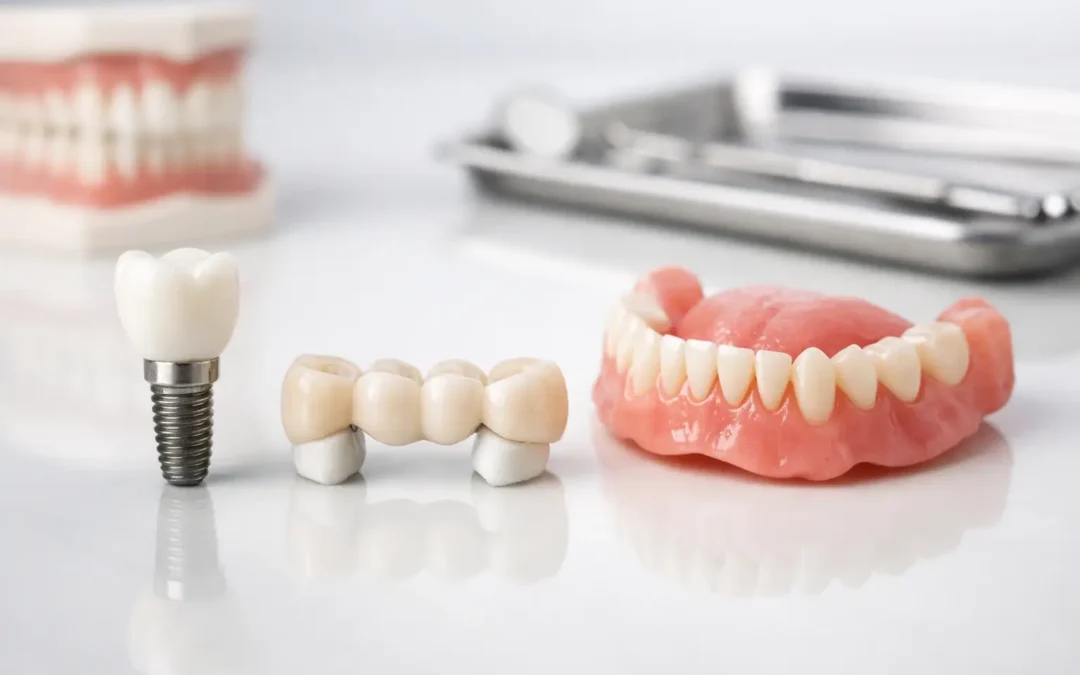
The best treatment is the one that restores function, supports your oral health, and fits your goals. In most cases, your dentist will talk through three main solutions: dental implants, dental bridges, and dentures. Each one has benefits, and each one works best in different situations.
If you are missing one tooth, an implant or bridge may be the most practical choice. If you are missing several teeth, implant-supported treatment or a partial denture may make more sense. If you have lost most or all of your teeth, full dentures or full-arch implant treatment may be the better path. The answer is not the same for everyone, which is why a personalized treatment plan is so important.
Dental implants: the closest thing to a natural tooth
For many adults, dental implants are considered the gold standard for tooth replacement. An implant replaces the root of the missing tooth with a small titanium post placed in the jawbone. Once it heals, a custom crown is attached on top.
What makes implants stand out is stability. They do not rely on neighboring teeth for support, and they help stimulate the jawbone in a way other options cannot. That matters because bone loss is one of the biggest long-term concerns after losing a tooth.
Implants also tend to feel more natural when you chew and speak. Patients often like that they are fixed in place and cared for much like natural teeth. From an appearance standpoint, a well-made implant crown can blend in beautifully with the rest of your smile.
Still, implants are not automatically the right answer for every patient. They usually cost more upfront than bridges or dentures, and treatment takes longer because healing time is part of the process. You also need enough healthy bone to support the implant, although bone grafting may be an option in some cases.
When implants make the most sense
Implants are often an excellent option if you want a long-term solution, have good general oral health, and want to avoid removable appliances. They are especially appealing for patients who want strong chewing ability and a replacement that looks and feels close to a natural tooth.
They can also be used beyond single teeth. Implant-supported bridges and full-arch systems such as All-on-4 can restore multiple missing teeth with excellent stability.
Dental bridges: a reliable fixed option
A dental bridge fills the gap left by one or more missing teeth by anchoring an artificial tooth to the natural teeth on either side. Bridges have been used successfully for many years and remain a dependable option for many patients.
One advantage of a bridge is speed. In many cases, treatment can be completed faster than implant therapy. Bridges are also fixed in place, so they do not come out the way a removable denture does.
For some patients, a bridge is a sensible choice when the neighboring teeth already need crowns or have large fillings. In that situation, using those teeth to support a bridge may fit the overall treatment plan well.
The trade-off is that a traditional bridge requires reshaping the adjacent teeth. Unlike an implant, it does not replace the tooth root, so it does not help preserve bone in the same way. Bridges can be very attractive and functional, but they do place extra workload on the supporting teeth.
Who may be a good candidate for a bridge
A bridge may be a strong option if you are missing one or a few teeth in a row, want a non-removable solution, and either are not a candidate for implants or prefer a quicker treatment process. It can also be helpful when cost is a major factor and you want something fixed rather than removable.
Dentures: practical, affordable, and more natural-looking than many expect
Dentures remain one of the most common ways to replace missing teeth, especially when several or all teeth are missing. Today’s dentures are often more comfortable and natural-looking than patients expect, particularly when they are carefully designed and adjusted.
Partial dentures replace several missing teeth while using the remaining natural teeth for support. Full dentures replace an entire upper arch, lower arch, or both. For patients who need broad tooth replacement and want a lower initial cost, dentures can offer a very practical solution.
Dentures can restore appearance and basic function, but they do come with limitations. Traditional removable dentures may shift during eating or speaking, and lower dentures in particular can feel less stable over time. Because they rest on the gums rather than replacing roots, they do not stop bone loss in the jaw.
That said, dentures are often the right starting point for many patients. In some cases, they can also be upgraded later to implant-supported dentures for better retention and comfort.
Implant-supported dentures and full-arch solutions
If you want more stability than a traditional denture can provide, implant-supported treatment is worth serious consideration. This approach uses implants to secure a denture or full arch of replacement teeth, helping reduce slipping and improving biting strength.
For patients missing most or all of their teeth, this can be life-changing. Everyday concerns like denture adhesive, movement while talking, or avoiding certain foods become much less of an issue. Many patients also appreciate the stronger, more confident feel.
Full-arch options such as All-on-4 are especially appealing for people who want a more secure, long-term replacement for an entire row of teeth. These treatments are more of an investment, but for the right patient, the improvement in comfort and quality of life can be significant.
How to choose among the best options for replacing teeth
The right choice usually comes down to five factors: how many teeth are missing, the health of your gums and jawbone, your budget, your timeline, and your goals for comfort and appearance.
If preserving bone and getting the most natural feel are top priorities, implants are often the leading option. If you want a fixed solution without surgery, a bridge may be a better fit. If you need to replace many teeth and want the most budget-conscious route, dentures may make the most sense.
There is also the question of lifestyle. A busy professional may value the security of implants. A patient looking for faster treatment may prefer a bridge. Someone replacing an entire arch may choose between a removable denture and an implant-supported alternative based on comfort, expectations, and finances.
This is where a consultation matters. A complete exam, digital imaging, and a conversation about your priorities can make the decision much clearer.
What patients often overlook
Cost gets a lot of attention, and understandably so. But the least expensive option upfront is not always the most cost-effective over time. A treatment that lasts longer, feels better, and protects oral health may offer stronger long-term value.
Patients also sometimes focus only on the visible gap. The real issue can be broader. Missing teeth can affect bite pressure, strain other teeth, and change facial support over time. Replacing teeth is about restoring balance, not just filling space.
At United Dental Specialists, this is why treatment planning looks at the full picture – not just the missing tooth, but your bite, bone support, smile goals, and daily comfort.
When to take the next step
If you have been putting off treatment, you are not alone. Many patients wait because they are unsure which option makes sense or worry the process will be too complicated. The good news is that modern dentistry offers more solutions than ever, and the first step is simply getting clear answers.
Whether you are missing one tooth or several, the best time to explore your options is before the problem starts affecting more of your oral health. A thoughtful evaluation can help you understand what is possible, what fits your budget, and what will serve you best in the long run.
The best tooth replacement is the one that helps you eat comfortably, smile confidently, and stop thinking about what is missing.
by Dr. David Bennett | May 14, 2026 | Uncategorized |
Missing a tooth changes more than your smile. It can affect how you eat, how clearly you speak, and how confident you feel in everyday moments. If you have been wondering how to prepare for dental implants, the good news is that the process is usually straightforward when you know what to expect and have the right dental team guiding you.
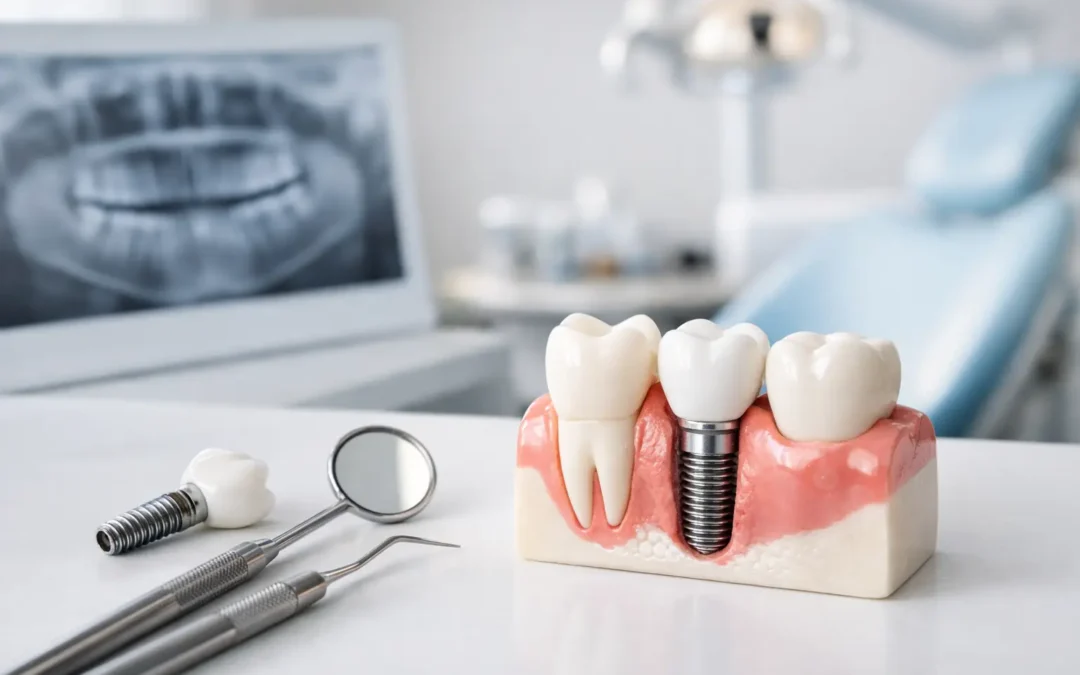
Dental implants are designed to replace missing teeth in a way that looks natural, feels stable, and supports long-term oral health. Preparation matters because it helps your treatment go more smoothly, lowers the chance of delays, and gives your implant the best possible foundation. For some patients, preparation is simple. For others, it may include a few extra steps such as gum treatment, bone grafting, or adjusting a medical routine before surgery.
How to Prepare for Dental Implants Before Your Consultation
The first step is to come in ready to talk about your health, your goals, and your concerns. A dental implant consultation is not just about looking at the missing tooth. It is about understanding the condition of your jawbone, gums, bite, and overall health so your treatment plan fits you.
Bring a current list of medications, including supplements, and be honest about any medical conditions such as diabetes, heart disease, or autoimmune issues. If you smoke or use nicotine in any form, say so. That information is important, not judgmental. Smoking can slow healing and increase the risk of implant complications, so your dentist may recommend stopping before and after treatment.
It also helps to think about your priorities before the visit. Some patients care most about restoring chewing strength. Others want a highly esthetic result in a visible area of the smile. Some need to balance treatment timing and budget. A strong consultation should make room for all of that, not just the clinical side.
Your Exam, Imaging, and Treatment Planning
Once you decide to move forward, your dentist will evaluate whether your mouth is ready for implant placement. This usually includes a detailed exam and imaging to assess bone volume, sinus position if upper implants are involved, and the health of nearby teeth and gums.
This planning stage is where personalized care really matters. Not every patient is ready for implants on the same timeline. If your gums are inflamed, if there is untreated decay, or if a failing tooth needs to be removed first, those issues need attention before implant surgery. That does not mean implants are off the table. It means building the right foundation so your result is stronger and more predictable.
For patients considering full-arch options such as All-on-4, planning becomes even more detailed. Your bite, bone support, facial structure, and smile design all play a role. The benefit is that a thorough plan can improve both function and appearance, especially when your care is coordinated under one roof.
Get Your Mouth Healthy First
One of the most overlooked parts of how to prepare for dental implants is basic oral health. Implants are highly successful, but they still depend on healthy surrounding tissue. If plaque buildup, gum disease, or untreated infection is present, your dentist will likely recommend addressing that first.
That may mean a professional cleaning, periodontal treatment, or taking care of cavities before surgery. Patients sometimes want to move quickly, especially if a missing tooth is affecting confidence or comfort, but rushing past active dental problems can compromise healing.
Home care matters too. In the weeks leading up to your procedure, brush thoroughly, floss consistently, and follow any instructions your dentist gives you about mouth rinses or hygiene tools. A cleaner, healthier mouth is better prepared to heal.
Understand if You Need Extra Steps Before Implant Surgery
Some patients can move directly to implant placement, while others need preparatory treatment. This is normal. The need for extra steps does not mean your case is unusually difficult. It just means your dentist is planning for a better long-term outcome.
A bone graft may be recommended if the jawbone has thinned after a tooth has been missing for a while. If there is an infection at the site, the area may need time to heal after extraction before an implant is placed. In some upper back areas, a sinus lift may be part of treatment planning.
These added procedures can extend the timeline, but they often improve implant stability and esthetics. That trade-off is worth understanding early. Fast treatment is appealing, but durable treatment is the real goal.
Review Medications and Medical Conditions Carefully
Your medical history plays a direct role in healing. If you take blood thinners, medications that affect bone metabolism, or drugs that suppress the immune system, your dentist may need to coordinate with your physician before surgery. Never stop prescription medication on your own, but do ask whether any adjustments are needed.
If you have diabetes, keeping blood sugar under control is especially important before and after implant placement. Healing tends to be more predictable when the condition is well managed. The same principle applies to other chronic conditions. Stable health supports stable healing.
You should also ask about antibiotics, pain relief, and any pre-op instructions you may need to follow. Some patients receive sedation, while others have treatment with local anesthesia alone. Your preparation will depend partly on which option is right for you.
What to Do the Week Before Your Appointment
As your procedure gets closer, focus on practical preparation. If sedation is planned, arrange for a trusted adult to drive you home and stay with you if needed. Take time off work if your dentist recommends it, especially if multiple implants or a more involved procedure is scheduled.
Stock your kitchen with soft foods such as yogurt, eggs, smoothies, soup, mashed potatoes, and oatmeal. Avoid waiting until after surgery to think about meals. It is easier to recover when your home is already set up.
If you smoke, this is the time to stop. If you drink alcohol regularly, ask whether you should avoid it before and after the procedure. Follow all instructions about eating or drinking before surgery, since those rules can vary depending on whether sedation is involved.
The night before, get a good amount of sleep. It sounds simple, but rest can make a real difference in how calm and comfortable you feel the next day.
How to Prepare for Dental Implants on Surgery Day
On the day of treatment, wear comfortable clothing and arrive with enough time so you are not rushed. If your dentist has prescribed medication to take beforehand, follow those instructions exactly. Do not take extra medication unless you were told to do so.
Brush your teeth unless you were given different directions, and avoid heavy makeup, strong fragrances, or anything that may interfere with treatment. If you are feeling nervous, say so. Implant treatment is common, but that does not mean you are expected to feel completely relaxed about it. A caring dental team will walk you through each step and help you feel more at ease.
For many patients, the procedure itself is easier than expected. The bigger challenge is usually the waiting and uncertainty beforehand. Knowing your plan, understanding the next steps, and having clear instructions can take much of that stress away.
Set Yourself Up for a Smooth Recovery
Preparation does not stop once the implant is placed. A good recovery plan is part of the process. Before you leave your appointment, make sure you understand how to manage swelling, what to eat, when to brush near the area, and which symptoms are normal.
You may need to stick to softer foods for a period of time and avoid chewing on the implant site. If you have a temporary restoration, be especially careful with it. Hard, sticky, or crunchy foods can create problems during healing.
Keep all follow-up appointments. Implants heal over time, and your dentist needs to monitor that progress. If something feels off, such as increasing pain, unusual swelling, or a loose temporary tooth, call the office promptly rather than waiting to see if it improves on its own.
Long-term success also depends on maintenance. Dental implants do not get cavities, but the gums and bone around them still need care. Regular checkups and cleanings remain essential.
Questions Worth Asking Before You Start
A confident decision usually comes from clear answers. Ask how long your treatment is expected to take, whether you will need grafting or extraction, what your recovery should look like, and how the final result will be restored. If you are replacing a front tooth, ask about esthetics. If you are replacing back teeth, ask about chewing function and bite balance.
It is also reasonable to ask about costs, phases of treatment, and financing options. Good implant planning should feel transparent, not confusing. Patients in Doral and Miami Lakes often want advanced care without feeling overwhelmed, and that is exactly how the process should be handled – with clarity, respect, and a plan built around your needs.
At United Dental Specialists, that preparation starts with listening. When your dentist understands your goals, health history, and timeline, implant treatment becomes much more approachable.
If you are considering dental implants, start with the basics: get evaluated, get healthy, and give yourself room to heal well. A little preparation now can make a lasting difference in how comfortably you eat, speak, and smile later.
by Dr. David Bennett | May 12, 2026 | Uncategorized |
If you are tired of loose dentures, missing teeth, or avoiding certain foods because chewing has become difficult, this guide to full mouth implants is for you. Full mouth implant treatment can rebuild more than your smile. It can restore day-to-day comfort, improve how you speak and eat, and help you feel like yourself again.
For many patients, the hardest part is not the treatment itself. It is figuring out what full mouth implants actually mean, whether they are worth it, and how to know if they are the right choice. The answer depends on your oral health, your goals, your timeline, and your budget. What matters most is understanding your options clearly before you commit.
What full mouth implants really are
Full mouth implants replace most or all of the teeth in the upper arch, lower arch, or both using dental implants as the foundation. Instead of relying on adhesives or removable appliances alone, this approach anchors a full set of replacement teeth to implants placed in the jawbone.
You may hear terms like All-on-4, implant-supported dentures, or full arch restoration. These are related, but they are not always identical. In general, full mouth implants use a small number of strategically placed implants to support a complete row of teeth. Some restorations are fixed in place and only removed by a dentist. Others are removable by the patient for cleaning.
That distinction matters. A fixed solution often feels more natural and stable, but it may involve a different investment and treatment plan than a removable implant-supported denture. A consultation is where those details get sorted out.
A guide to full mouth implants and your options
There is no one-size-fits-all version of full mouth implant treatment. The right solution depends on bone support, gum health, medical history, and what you want your new smile to feel like.
Fixed full arch implants
This option attaches a non-removable set of teeth to a set number of implants. Patients often choose it because it offers strong bite support and a more natural feel. It can be an excellent fit for people who want the closest experience to having natural teeth again.
The trade-off is that fixed restorations usually require careful planning and a higher upfront investment. Good daily home care and regular maintenance visits are also essential.
Implant-supported dentures
These dentures snap onto implants for better retention than traditional dentures. They are more secure than removable dentures that sit on the gums alone, but they can still be taken out for cleaning.
For some patients, this is a practical middle ground. It improves stability and comfort without committing to a fully fixed restoration. It may also be a smart option when budget is a major concern.
Immediate load solutions such as All-on-4
In some cases, patients can receive implants and a temporary set of teeth in a shorter time frame. This approach is appealing because it reduces the time spent without teeth and allows patients to leave with a more complete smile sooner.
Still, not everyone is a candidate for immediate placement and immediate function. Bone quality, bite forces, and overall health all play a role in whether this is appropriate.
Who is a good candidate?
Many adults who have lost most or all of their teeth, or who are facing widespread dental damage, can be candidates for full mouth implants. Patients often consider this treatment after years of dental problems, failing bridgework, advanced decay, gum disease, or frustration with dentures.
A healthy mouth is the goal, but you do not need a perfect starting point. In fact, many patients need preparatory treatment before implants, such as extractions, periodontal care, or bone grafting. What matters is whether the mouth can be brought to a stable condition that supports long-term results.
General health matters too. Conditions like uncontrolled diabetes, smoking, certain medications, and healing disorders can affect implant success. That does not always rule treatment out, but it may change the plan or the timeline.
What the process usually looks like
One reason patients delay care is that they imagine a long, confusing process. In reality, a well-run implant plan is structured and predictable.
It starts with a comprehensive consultation. This visit typically includes digital imaging, an exam, and a conversation about what you want to change. Some patients are focused on chewing comfortably again. Others care just as much about how their smile looks in photos or at work. Both matter.
From there, the treatment plan is built around your needs. If any teeth need to be removed or if the gums need treatment first, those steps happen before or alongside implant placement. The implants are then placed in the jawbone, where they begin to integrate with the bone over time.
Depending on the case, you may receive temporary teeth while healing takes place. Once the implants have fused properly and the tissues are ready, the final restoration is designed and attached. That final set is shaped for fit, bite, appearance, and long-term function.
What recovery feels like
Most patients are surprised that recovery is manageable. Some soreness, swelling, and dietary restrictions are normal in the early phase, especially after extractions or implant surgery. You should expect a healing period, not an instant return to everything you normally eat.
That said, the experience varies. A patient receiving a few strategically placed implants with a temporary restoration may recover differently than someone who needs bone grafting or more extensive surgical work. Following instructions closely makes a major difference in comfort and healing.
Soft foods are usually part of the process for a while. This can feel inconvenient, but it protects the implants while they stabilize. Rushing back to hard or crunchy foods too soon can compromise the outcome.
Cost, value, and what patients should weigh
A true guide to full mouth implants has to address cost honestly. Full mouth implant treatment is a significant investment, and the price varies based on the number of implants, the type of restoration, whether extractions or grafting are needed, and the complexity of the case.
It is tempting to compare prices alone, but that can be misleading. Lower fees may reflect differences in materials, planning, technology, or follow-up care. With full mouth reconstruction, long-term value matters more than a bargain headline.
Patients should also think beyond the initial number. Traditional dentures may seem less expensive at first, but they can come with recurring adjustments, relines, adhesives, instability, and ongoing frustration. For many people, the value of implants is tied to quality of life – eating better, speaking confidently, and not worrying that teeth will shift at the wrong moment.
Questions to ask before saying yes
Before moving forward, ask how many implants are being recommended and why. Ask whether your restoration will be fixed or removable. Ask what kind of temporary teeth you will have during healing, how long the process may take, and what maintenance will be needed after treatment is complete.
You should also ask about your candidacy in plain language. If bone loss, gum health, or medical conditions affect your options, your dental team should explain that clearly. A good consultation should leave you informed, not pressured.
In a practice that focuses on personalized care, the treatment plan should match your goals rather than force you into a standard package. That is especially important with full mouth implants, because the best result is not just clinical success. It is comfort, confidence, and a smile that fits your life.
Life after full mouth implants
Once treatment is complete, patients often describe a sense of relief as much as excitement. Meals feel easier. Speech feels more natural. Smiling becomes less of a decision and more of a habit.
Full mouth implants still require care. You will need regular dental visits, excellent oral hygiene, and attention to any grinding or bite issues. Implants are not maintenance-free. They are, however, designed to give you a much stronger foundation than living with failing teeth or unstable dentures.
For patients in Doral, Miami Lakes, and the surrounding area, working with an experienced team can make the process feel far more approachable. At United Dental Specialists, treatment planning is centered on both health and confidence, so patients can move forward with a clear understanding of what to expect.
If you have been putting off treatment because the idea feels overwhelming, start with the conversation. The right plan should make your next step feel simpler, not harder.


Recent Comments