by Dr. David Bennett | May 26, 2026 | Uncategorized |
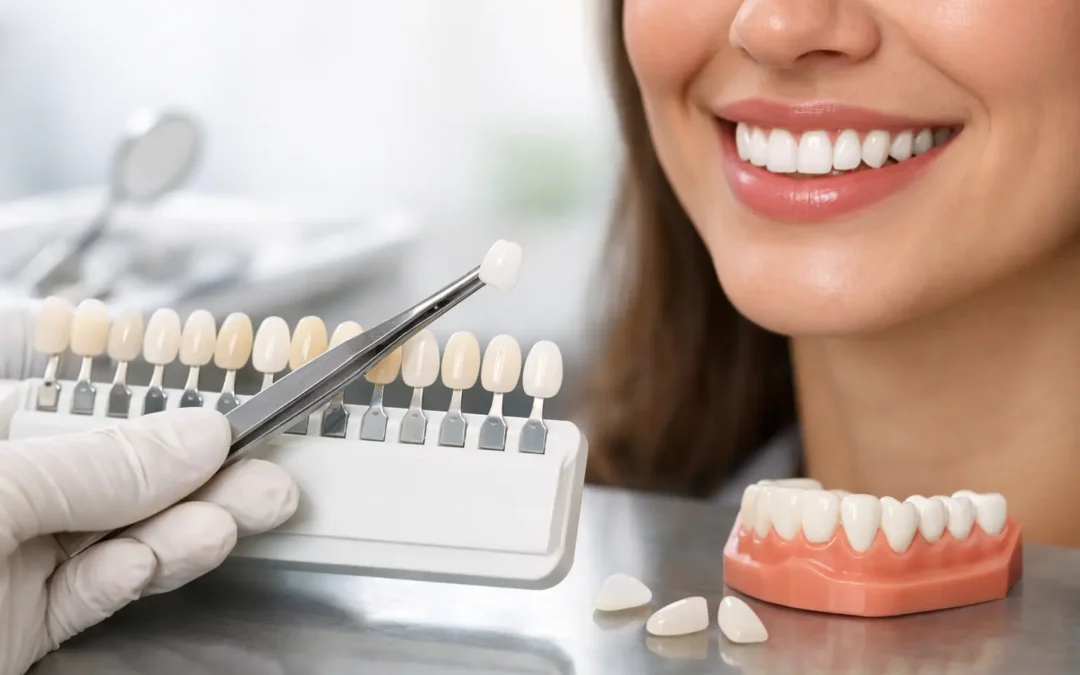
A smile can look healthy on paper and still feel like something you want to hide in photos. For many adults, that gap comes down to issues like stains that whitening cannot fully lift, small chips, uneven edges, or spaces that draw the eye. This guide to porcelain veneers is designed to help you understand what veneers can realistically fix, what they cannot, and how to decide whether they fit your goals.
Porcelain veneers are thin custom shells bonded to the front surface of the teeth, usually in the visible smile zone. Their purpose is cosmetic, but the impact often goes beyond appearance. When the shape, color, and balance of your smile improve, many patients also feel more comfortable speaking, laughing, and being seen up close.
What porcelain veneers actually do
Porcelain veneers are best thought of as a smile-refinement treatment, not a cure-all. They can improve the look of teeth that are discolored, slightly worn, mildly uneven, chipped, short, or separated by small gaps. They can also create a more symmetrical look when natural teeth vary in size or shape.
What makes porcelain especially appealing is how closely it can mimic natural enamel. Good veneers do not look flat or overly white. They reflect light in a way that gives the smile depth, which is one reason patients often choose porcelain over more temporary cosmetic options.
That said, veneers are not the right answer for every problem. If a tooth has significant decay, active gum disease, a major bite issue, or structural weakness, those concerns need to be addressed first. In some cases, orthodontic treatment, bonding, whitening, or crowns may be more appropriate.
Who is a good candidate in this guide to porcelain veneers
The best candidates usually have healthy teeth and gums and want to improve the visible appearance of their smile. You may be a strong candidate if your concerns are mostly cosmetic and your teeth have enough healthy structure to support veneers.
Lifestyle matters too. If you grind your teeth, clench your jaw, bite your nails, or use your teeth to open packaging, veneers may still be possible, but your treatment plan may need extra protection. A night guard, for example, can help preserve both natural teeth and veneers.
Your expectations matter just as much as your dental condition. Veneers can create a dramatic improvement, but the best results still look like you. A thoughtful treatment plan focuses on harmony with your face, gumline, bite, and existing features rather than chasing a one-size-fits-all smile.
The porcelain veneer process, step by step
The process usually begins with a cosmetic consultation and exam. This is where your dentist evaluates oral health, discusses what bothers you about your smile, and reviews whether veneers are the best fit. Photos, digital imaging, and shade discussions may be part of this stage so the final result feels personalized, not generic.
If you move forward, the teeth being treated are prepared. In many cases, this means removing a very thin layer of enamel from the front surface to make room for the veneer. The amount is conservative, but it is still an important step because veneers need space to sit naturally and avoid looking bulky.
After preparation, impressions or digital scans are taken so the veneers can be custom-made. Temporary veneers may be placed while your final restorations are being crafted. When the permanent veneers are ready, your dentist checks the fit, shape, color, and overall appearance before bonding them into place.
The bonding appointment is where precision matters. Small adjustments can make a major difference in how natural the veneers look and how comfortable they feel when you bite. Once bonded, the veneers become a stable part of your smile, though follow-up care is still essential.
How many veneers do you need?
This depends on your smile line and your goals. Some patients improve one or two teeth, while others choose a broader cosmetic update across the front six to ten upper teeth. If lower teeth show prominently when you speak or smile, they may be included as well.
There is no universal number that works for everyone. The right plan balances aesthetics, budget, and what will look consistent with your surrounding teeth. Sometimes a smaller, carefully designed case looks more natural than treating too many teeth unnecessarily.
Color, shape, and the natural look
One of the biggest concerns patients have is whether veneers will look obvious. They should not. The most attractive veneer cases are usually the ones people do not immediately identify as dental work.
Shade selection is not just about picking white teeth. Skin tone, lip shape, age, facial features, and the color of nearby teeth all influence what will look right. Very bright veneers can be beautiful, but only when they fit the person wearing them. The same is true for shape. Rounded edges, slight translucency, and subtle texture can make the final result look far more believable.
This is why planning matters so much. A cosmetic treatment should reflect your preferences, but it should also be guided by clinical judgment. Patients often come in asking for a perfect smile when what they really want is a confident, healthy-looking one.
How long do porcelain veneers last?
Porcelain veneers are durable, but they are not permanent in the sense of lasting forever without maintenance. Many last well over a decade with proper care. Longevity depends on the quality of the treatment, your bite, your habits, and how consistently you protect your teeth.
A person who keeps up with cleanings, wears a night guard when needed, and avoids damaging habits will usually get more life out of veneers than someone who grinds heavily and skips routine care. Even excellent veneers may eventually need replacement due to wear, gumline changes, or damage over time.
Cost and what affects the price
Veneer pricing varies because the treatment is highly customized. The number of teeth treated matters, but so do the materials used, the planning involved, and whether any other dental work is needed first. If whitening, gum treatment, or restorative care should happen before veneers, that changes the overall investment.
It helps to view veneers as part of a larger treatment plan rather than a simple cosmetic purchase. The goal is not just to place porcelain on teeth. The goal is to create a smile that looks right, functions well, and holds up over time. During a consultation, a clear breakdown of options can help you compare what is possible with your goals and budget.
Daily care after veneers
Veneers do not require complicated maintenance, but they do require good habits. Brushing twice a day, flossing daily, and keeping regular dental visits remain essential. The teeth underneath and around veneers still need protection from decay and gum problems.
Porcelain resists staining better than natural enamel, but that does not mean you can ignore care. Coffee, red wine, and tobacco can still affect the surrounding teeth and influence how even your smile appears over time. If you want your results to stay bright and balanced, routine maintenance makes a real difference.
If you are prone to grinding or clenching, protecting your veneers at night is especially important. A custom night guard can help prevent excess pressure that chips or shortens the life of cosmetic work.
Common concerns patients ask about
One common question is whether veneers damage your teeth. The honest answer is that veneer treatment usually involves removing a thin amount of enamel, so it is a permanent decision. That is why case selection and planning are so important. When done for the right reasons and on the right teeth, veneers can be a very effective long-term cosmetic solution.
Another concern is sensitivity. Some patients notice temporary sensitivity after preparation, but it often improves. The experience varies depending on the teeth involved and your baseline sensitivity.
Patients also ask whether veneers feel different. At first, they can. After a short adjustment period, well-designed veneers should feel smooth and natural in the mouth, not bulky or distracting.
Is this the right time for veneers?
If you have been thinking about changing your smile for years, timing usually comes down to readiness, not just appearance. The right time is when your teeth and gums are healthy, your goals are clear, and you are ready to invest in a solution that is both cosmetic and lasting.
For patients in Doral and Miami Lakes who want a more confident smile without guessing their way through treatment, a personalized cosmetic consultation is the best place to start. At United Dental Specialists, that conversation is meant to be straightforward and pressure-free, with attention to how you want your smile to look and how you want it to function.
A well-planned veneer case should not make you look like someone else. It should make you feel more like yourself every time you smile.
by Dr. David Bennett | May 24, 2026 | Uncategorized |
A missing tooth rarely stays a small problem for long. What starts as a gap in your smile can turn into trouble chewing, changes in speech, shifting teeth, and a steady loss of confidence. That is why understanding tooth replacement options adults can choose from matters so much. The right treatment can restore daily comfort, protect long-term oral health, and help you feel like yourself again.
For many adults, the best replacement is not simply the cheapest or fastest one. It depends on where the tooth is missing, how healthy the surrounding teeth and gums are, how many teeth need to be replaced, and what kind of result you want to live with for years. A thoughtful plan makes all the difference.
Tooth replacement options adults should know
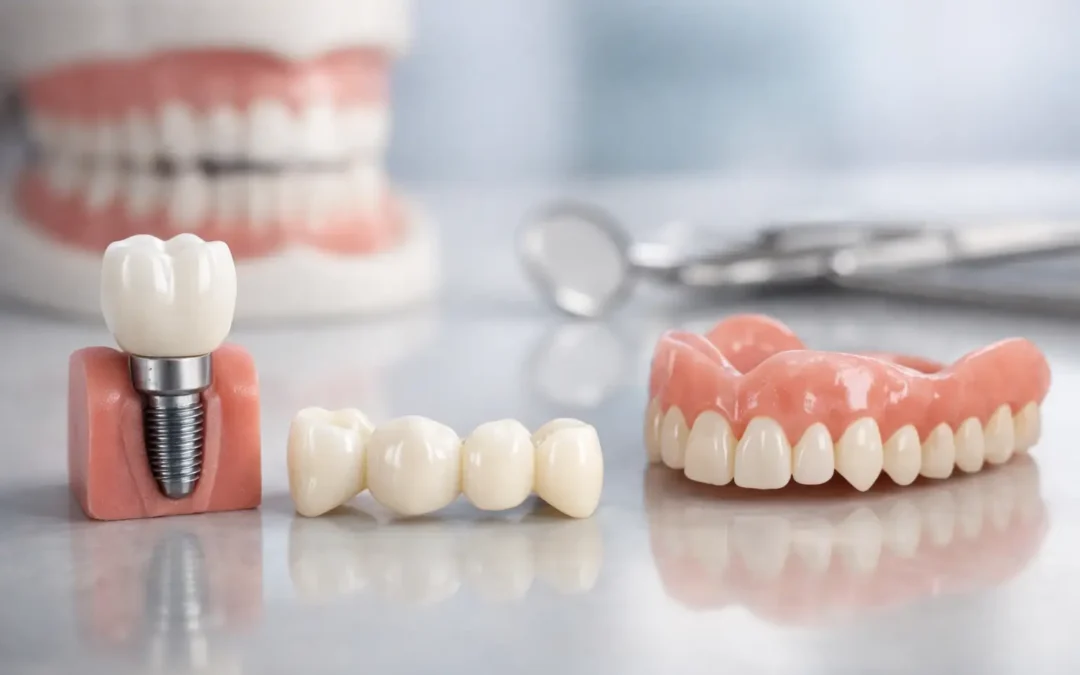
There is no one-size-fits-all answer for missing teeth. Some patients want the closest thing to a natural tooth. Others need a practical solution that fits a shorter timeline or a tighter budget. The most common options are dental implants, dental bridges, partial dentures, full dentures, and full-arch implant solutions such as All-on-4.
Each option solves the same basic problem in a different way. The trade-offs usually come down to stability, appearance, cost, treatment time, and whether nearby teeth need to be involved.
Dental implants
Dental implants are often the most natural-feeling option for replacing one or more missing teeth. An implant is placed in the jawbone to act like a tooth root, and a custom crown is attached on top. Because the implant stands on its own, it does not rely on neighboring teeth for support.
Adults often prefer implants because they look natural, feel secure, and help preserve bone in the jaw. That bone support matters. After a tooth is lost, the jawbone in that area can begin to shrink over time. Implants are the only common replacement option that helps stimulate the bone the way a natural tooth root does.
That said, implants are not automatic for everyone. You need healthy gums, enough bone support, and a commitment to good home care. The process also takes longer than getting a bridge or denture. If you want the most stable and long-term solution, though, implants are often worth a serious conversation.
Dental bridges
A dental bridge fills the gap by anchoring an artificial tooth to the neighboring teeth. This can be a strong, effective option when the teeth on either side already need crowns or have enough strength to support the bridge.
Bridges usually take less time than implants and do not require a surgical procedure. Many adults like that they are fixed in place and do not come out at night. They also restore appearance and chewing function well in the right case.
The trade-off is that a traditional bridge typically requires reshaping the adjacent healthy teeth. It also does not replace the root beneath the missing tooth, so it does not prevent bone loss in the same way an implant can. For some patients, that is a reasonable compromise. For others, it is the reason they choose implants instead.
Partial dentures
A partial denture is a removable appliance designed to replace several missing teeth. It can be a practical choice when multiple teeth are missing in different parts of the mouth, especially if a patient wants a lower upfront cost.
Modern partials can look better and feel more comfortable than many people expect. They can improve chewing, support facial appearance, and reduce the shifting of remaining teeth. They are also relatively easy to adjust or modify if dental needs change.
Still, removable appliances take getting used to. Some patients notice movement while eating or speaking, and some do not like taking them out for cleaning. A partial denture can be a very useful solution, but it tends to feel less natural and less secure than a fixed option.
Full dentures
When all teeth in the upper arch, lower arch, or both need to be replaced, full dentures remain a common treatment. They restore the appearance of a full smile and can improve speech and eating compared with having no teeth.
For adults who have extensive tooth loss, dentures can be the fastest path back to function. They are also more accessible financially than full-mouth implant treatment. In some cases, they are an important first step while a patient plans future restorative care.
The challenge is stability. Lower dentures in particular can shift because they rely on the gums and underlying bone for support. Over time, as the jawbone changes, dentures may need relining or replacement. For patients who want greater security, implant-supported dentures may be the better fit.
All-on-4 and implant-supported full-arch options
If you are missing most or all teeth in an arch, full-arch implant treatment can offer a major upgrade in comfort and confidence. In an All-on-4 approach, a full set of replacement teeth is supported by a small number of carefully placed implants.
This option appeals to adults who want a solution that feels more stable than removable dentures and delivers a fuller return to normal eating and speaking. It also tends to provide a very strong cosmetic result. For many patients, it is not just about replacing teeth. It is about restoring quality of life.
Not everyone is a candidate for the exact same full-arch approach, and cost is understandably part of the conversation. But for adults who want security, function, and a more fixed feeling, this category of treatment deserves close attention.
How to choose between tooth replacement options for adults
The best choice depends on your mouth, your goals, and your timeline. If you are replacing one tooth and want the most natural long-term solution, an implant may be ideal. If you need a faster non-surgical option and the adjacent teeth already need treatment, a bridge may make sense.
If several teeth are missing, the decision becomes more personal. Some adults prioritize affordability and flexibility, which can make a partial denture appealing. Others care most about comfort and a fixed feel, which pushes implants higher on the list.
Your lifestyle matters too. If you travel often, speak publicly, work in a client-facing role, or simply want to forget the replacement is there, stability may matter more than anything else. If you are recovering from dental problems and need a phased plan, your dentist may recommend starting with one option and building toward another.
What patients often overlook
Many adults focus first on the visible gap, but the hidden effects of tooth loss are just as important. Missing teeth can change your bite, place extra pressure on remaining teeth, and affect the health of your jawbone and gums. Waiting too long can limit future treatment choices.
Comfort is another factor people underestimate. A restoration may look great in photos, but if it makes eating awkward or speaking feel unnatural, it may not feel like the right solution in daily life. That is why a personalized evaluation matters more than choosing based on price alone.
It is also worth thinking beyond the first appointment. Some options cost less upfront but may require more maintenance over time. Others involve a larger initial investment but offer better long-term stability. The right value is not always the lowest starting number.
Why a personalized consultation matters
Choosing tooth replacement should never feel like guessing. A proper exam looks at your oral health, bone support, bite, cosmetic goals, and budget together. That is how treatment becomes personal instead of generic.
At United Dental Specialists, adults in Doral, Miami Lakes, and the surrounding Miami area can explore replacement options with a team that focuses on both function and appearance. That matters because replacing a tooth is not only about filling space. It is about restoring comfort, protecting the rest of your smile, and helping you move forward with confidence.
If you have been putting off treatment, this is a good time to act. The best tooth replacement is the one that fits your life, protects your health, and gives you a smile you feel good using every day.

by Dr. David Bennett | May 22, 2026 | Uncategorized |
A cracked tooth at lunch, a swollen gum that keeps getting worse, a sudden jolt of pain that wakes you up at 2 a.m. – these are the moments when an emergency dentist appointment stops feeling optional. If you are dealing with dental pain, bleeding, trauma, or visible damage, fast care can make the difference between a simpler fix and a more serious problem.
Dental emergencies do not always look dramatic, and that is where people get stuck. Some patients wait too long because they hope the pain will pass. Others assume they need the ER when what they really need is a dental team that can diagnose the cause, relieve discomfort, and protect the tooth as quickly as possible.
What counts as an emergency dentist appointment?
An emergency dentist appointment is appropriate when you have symptoms that need prompt professional attention, especially if pain, swelling, infection, or injury is involved. Severe toothaches, broken teeth, knocked-out teeth, lost fillings or crowns with pain, gum abscesses, facial swelling, and bleeding that does not stop are all common reasons to call right away.
Not every urgent dental problem looks the same. A chipped tooth with no pain may be less time-sensitive than a cracked tooth that hurts when you bite. A lost crown can sometimes wait a short time if the area is stable, but not if the tooth underneath is exposed and sensitive. The key is not trying to diagnose it alone. If the condition is worsening, interfering with eating or sleeping, or causing swelling, it should be treated quickly.
Signs you should call the same day
Pain is one of the clearest signals, but it is not the only one. Pressure, throbbing, sensitivity that suddenly becomes intense, or pain with swelling can point to infection or internal tooth damage. Trauma from a fall, sports injury, or accident also deserves prompt evaluation, even if the tooth looks only slightly affected at first.
You should also seek same-day care if a permanent tooth has been knocked out or pushed out of position. Time matters in these cases. Fast treatment improves the chances of saving the tooth and reducing long-term complications.
Bleeding is another reason to call. If bleeding continues after applying gentle pressure, or if it follows an injury, do not wait. Ongoing bleeding may signal tissue damage that needs immediate care.
What to do before your emergency dentist appointment
The right first steps can help reduce pain and protect your mouth until you are seen. Rinse gently with warm water to clean the area. If there is swelling, use a cold compress on the outside of the cheek in short intervals. If a tooth has been knocked out, handle it by the crown rather than the root and keep it moist in milk or saliva if possible.
For a broken tooth, try to save any pieces and avoid chewing on that side. If you lost a filling or crown, keep the area clean and avoid very hot, cold, or sticky foods. Over-the-counter pain relief may help in some cases, but it should never replace an exam when symptoms are severe or getting worse.
There are also a few things to avoid. Do not place aspirin directly on the gums. Do not ignore facial swelling, fever, or a bad taste in the mouth, which can be signs of infection. And do not assume that if pain fades, the problem is solved. Dental infections and cracks can quiet down temporarily while the underlying issue continues.
Common problems treated during an emergency dentist appointment
Many patients think emergency dental care only covers extreme injuries, but urgent appointments often involve conditions that started small and escalated. A deep cavity can turn into severe pain. An old filling can fail without warning. Teeth weakened by grinding or prior dental work can crack during an ordinary meal.
Infections are also a major reason people seek immediate help. An abscessed tooth, swollen gums, or tenderness near the jaw can become serious quickly. Beyond discomfort, untreated infection can spread and affect overall health. That is one reason timely care matters so much.
Emergency visits may also address broken restorations, including crowns, bridges, and dentures, especially when they affect function or cause pain. For patients with cosmetic dental work, trauma to veneers or front teeth can feel urgent for both health and appearance reasons. In those cases, the goal is not only relief but protecting your smile and planning the right next step.
What happens during the visit
Most emergency appointments begin with a focused exam and digital imaging if needed. The priority is to identify the source of the problem quickly. Pain in one area can sometimes come from another tooth, the gums, or an infection below the surface, so a clear diagnosis matters.
From there, treatment depends on what is causing the emergency. You may need drainage of an abscess, a temporary or permanent restoration, re-cementing of a crown, stabilization of a damaged tooth, or a recommendation for root canal therapy or extraction. Some issues can be handled fully in one visit. Others require immediate relief first and a second appointment for complete treatment.
That does not mean the first visit is only a temporary patch. A well-managed emergency appointment should reduce pain, protect the area from further damage, and give you a clear treatment plan. Patients usually feel better not just because symptoms are addressed, but because they finally know what is happening and what comes next.
Why waiting can cost more than comfort
One of the most common reasons people delay care is hoping to avoid a bigger procedure. Ironically, waiting often increases that risk. A minor crack can deepen. Decay can reach the nerve. An infection that might have been treated early can lead to more extensive care.
There is also the everyday cost of waiting. Dental pain affects sleep, work, eating, and concentration. For busy adults and parents, that disruption adds up fast. Prompt treatment is not only about preventing complications. It is about getting back to normal life with less stress and less uncertainty.
Emergency dentist appointment vs. emergency room
This is a common point of confusion. In many dental emergencies, the best first call is a dental office, not the ER. Dentists are equipped to treat tooth pain, broken teeth, lost restorations, and many oral infections directly. An emergency room may help with pain control or swelling, but in most cases it will not provide definitive dental treatment.
There are important exceptions. If you have trouble breathing, trouble swallowing, uncontrolled bleeding, significant facial trauma, or swelling that seems severe and rapidly spreading, seek emergency medical care immediately. Those situations may go beyond standard dental treatment and need urgent medical attention first.
Choosing the right office when you need urgent care
When you need help fast, convenience matters, but so does capability. Look for a practice that offers prompt scheduling, modern diagnostic technology, and a broad range of services under one roof. That makes it easier to move from emergency relief to complete care without delays or confusion.
For patients in Doral, Miami Lakes, and nearby communities, that kind of continuity matters. A team that can address urgent pain and also support long-term restorative or cosmetic goals gives you a more complete path forward. At United Dental Specialists, emergency care is part of that bigger commitment to protecting comfort, function, and confidence.
When an emergency dentist appointment leads to bigger treatment decisions
Sometimes an urgent visit solves a short-term problem. Other times, it reveals a larger issue that has been building for months or years. A damaged tooth may need a crown after pain is controlled. A non-restorable tooth may lead to questions about implants or other replacement options. Repeated breakage can point to bite issues or grinding that should be addressed to prevent future emergencies.
That can feel overwhelming in the moment, but it can also be an opportunity. Once pain is under control, you can make thoughtful decisions about restoring your oral health and improving stability, appearance, and comfort long term. The best emergency care does not pressure you. It gives you answers, options, and a clear next step.
If something feels wrong in your mouth, trust that instinct. Dental problems rarely improve by being ignored, and quick care often means simpler treatment and faster relief. A timely call can protect more than a tooth – it can protect your time, your comfort, and your peace of mind.
by Dr. David Bennett | May 20, 2026 | Uncategorized |
If you are reading an All on 4 dental implants review, chances are you are tired of dealing with missing teeth, loose dentures, or the daily frustration of not being able to chew comfortably. Most patients are not looking for theory. They want to know one thing – does this treatment actually work in real life, and is it worth the investment?
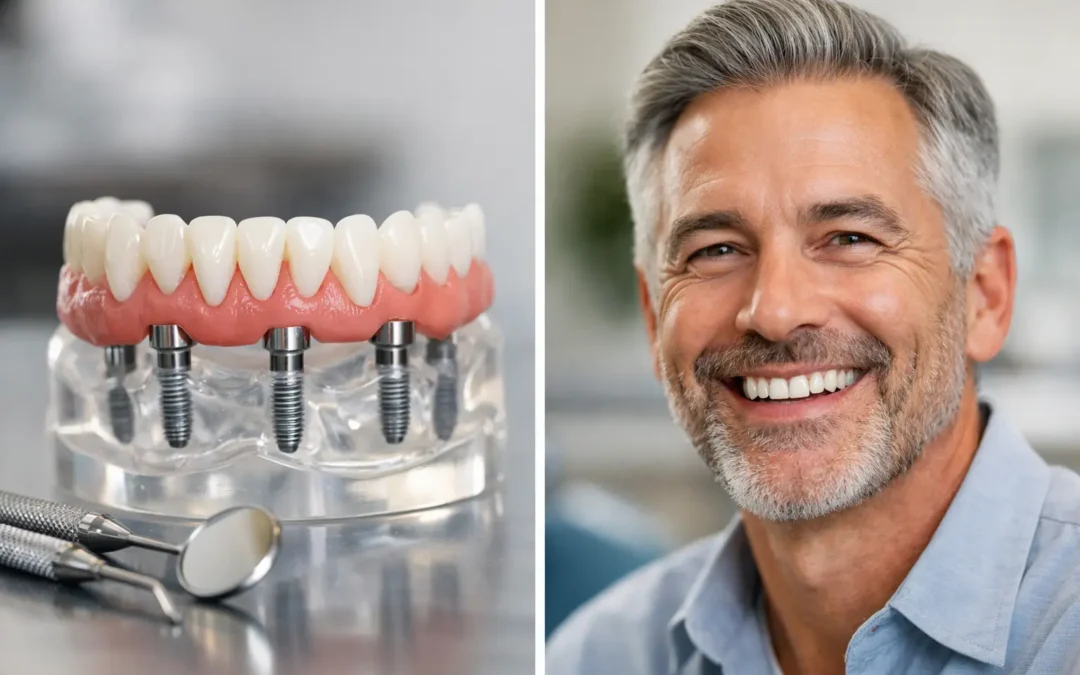
The short answer is that All-on-4 can be a life-changing option for the right patient. It is designed to replace a full arch of missing or failing teeth using four strategically placed implants that support a fixed set of prosthetic teeth. For many adults, that means better stability, stronger bite function, and a smile that feels more secure than traditional removable dentures. But like any advanced dental treatment, the experience depends on your oral health, bone structure, goals, and expectations.
What this All on 4 dental implants review really comes down to
A good review of All-on-4 should go beyond before-and-after photos. The real value is understanding what patients tend to love, where concerns come up, and what makes someone a strong candidate.
Most positive feedback centers on comfort and confidence. Patients often say they can eat more normally, speak more clearly, and stop worrying about dentures shifting at the wrong moment. That matters in everyday life, whether you are at work, out with family, or simply trying to enjoy a meal without thinking about your teeth.
The most common hesitation is the upfront commitment. All-on-4 is not a casual procedure. It requires planning, imaging, surgery, healing time, and long-term maintenance. For patients who want a fixed solution and are ready to invest in lasting results, that trade-off often feels worthwhile. For others, a removable denture or another implant approach may be more realistic.
How All-on-4 works
All-on-4 uses four dental implants to anchor a full upper or lower arch of replacement teeth. The implants are placed in areas of the jaw where bone support is strongest. In many cases, the back implants are angled to improve stability and reduce the need for additional bone grafting.
One reason this treatment gets so much attention is efficiency. Instead of replacing each missing tooth with its own implant, All-on-4 supports a full arch with just four implants. That can reduce surgical complexity while still delivering a fixed result.
Many patients also receive a temporary prosthesis the same day or soon after implant placement. This is often called same-day teeth, although healing still takes time and the final restoration comes later. The immediate improvement in appearance is a major reason people feel encouraged early in the process.
The biggest advantages patients talk about
When people leave strong All-on-4 reviews, they usually mention quality of life first. A fixed restoration changes daily routines in a very practical way.
Chewing tends to improve because the prosthetic is secured to implants rather than resting on the gums. Speech can feel more natural because there is less movement compared with removable dentures. Many patients also notice an emotional benefit. They smile more freely, feel less self-conscious in social settings, and stop planning their day around denture adhesives or discomfort.
Another advantage is appearance. A well-designed All-on-4 restoration can restore facial support and create a balanced, attractive smile. That is especially meaningful for patients who have lived with broken, worn, or missing teeth for years.
There is also a bone-health benefit worth mentioning. Dental implants stimulate the jawbone in a way dentures do not. While no treatment stops every change over time, implants can help reduce the bone loss that commonly follows tooth loss.
The downsides you should know before deciding
An honest All on 4 dental implants review also needs to cover limitations. This treatment is highly effective, but it is not perfect for every patient.
Cost is one of the biggest factors. All-on-4 is a premium restorative option, and while many patients see it as a long-term investment, it can still be a significant financial decision. The exact price varies based on the materials used, whether extractions are needed, and whether one or both arches are being treated.
Healing is another reality check. Even if you leave with a beautiful temporary smile, your mouth still needs time to recover. During the healing period, patients are usually asked to follow a softer diet and be careful not to overload the implants.
Maintenance matters too. Because the restoration is fixed, you cannot treat it like natural teeth and forget about it. Good home care and regular professional visits are essential. Food debris and plaque can collect around the prosthesis if cleaning is neglected, which can affect the health of the implants.
There is also the question of fit. Some patients expect All-on-4 to feel exactly like the teeth they had at 20. That is not always realistic. It can feel very natural and very secure, but it is still a prosthetic restoration supported by implants. The best outcomes happen when expectations are clear from the beginning.
Who is a good candidate for All-on-4?
The best candidates are usually adults who are missing most or all of their teeth in one arch, or who have multiple failing teeth that are no longer good long-term options. It can also be a strong solution for people who are frustrated with removable dentures and want something more stable.
You also need healthy enough bone and gum support for implant placement, although one of the benefits of All-on-4 is that it may work for some patients who have experienced bone loss. A full evaluation is still necessary. Imaging, bite analysis, and a review of your medical history all play a role.
Smoking, uncontrolled diabetes, active gum disease, and certain health conditions can affect healing and long-term success. These factors do not always rule treatment out, but they do need to be addressed honestly.
What the treatment process feels like
For most patients, the process starts with a consultation and detailed imaging. This is where your dentist evaluates bone levels, discusses goals, and explains whether All-on-4 is the best fit or if another approach would be smarter.
If treatment moves forward, failing teeth may be removed and the implants placed in the same appointment. Sedation options can help make the procedure more comfortable, which is an important concern for many patients who have delayed treatment out of fear.
After surgery, some swelling and soreness are normal. Most patients describe the early recovery as manageable, especially when they follow post-op instructions carefully. Temporary teeth allow you to maintain appearance during healing, but they are not the final version.
Once the implants integrate with the bone, the final restoration is made. This is the part patients are often most excited about because it is more refined, stronger, and designed for long-term function and aesthetics.
Cost, value, and what patients are really paying for
When patients compare options, they often focus on the number on the estimate. That is understandable, but it helps to look at value, not just price.
With All-on-4, you are paying for diagnostics, surgical planning, implant placement, a temporary prosthesis, the final restoration, and the skill of a team that knows how to coordinate the entire case. You are also investing in a treatment designed to restore function, appearance, and confidence in a way that removable options often cannot.
That said, value is personal. If you want the lowest upfront cost, All-on-4 may not be your first choice. If you want long-term stability and a more secure daily experience, it often stands out as one of the strongest full-arch options available.
All on 4 dental implants review: Are they worth it?
For the right patient, yes – often very much so. The strongest reviews usually come from people who were dealing with major tooth loss, discomfort, or embarrassment and finally feel like themselves again after treatment.
Still, worth it does not mean easy or automatic. Success depends on careful planning, realistic expectations, and ongoing maintenance. The procedure can deliver excellent function and a major confidence boost, but it should be chosen because it fits your needs, not because it sounds impressive.
At United Dental Specialists, patients considering full-arch implant treatment are guided through that decision with a personalized, straightforward approach. That matters, because the best dental decisions happen when you understand both the benefits and the trade-offs.
If you are weighing dentures against a more fixed solution, the next step is not guessing from online reviews alone. A professional evaluation can tell you whether All-on-4 makes sense for your smile, your bone health, and your long-term goals. The right treatment should not just replace teeth. It should help you feel comfortable, capable, and confident every day.
by Dr. David Bennett | May 18, 2026 | Uncategorized |
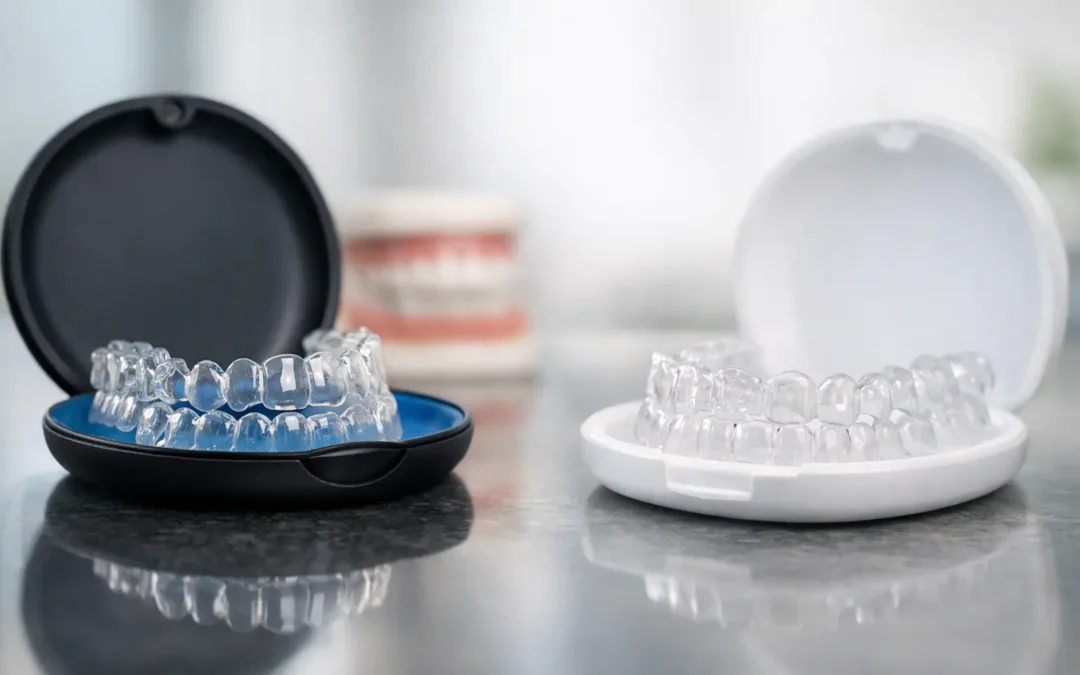
If you are weighing Invisalign vs clear aligners, you are probably not just choosing between trays. You are choosing how much clinical oversight you want, how complex your case may be, and how confident you want to feel throughout treatment.
That matters more than most people realize. Clear aligner treatment can look simple from the outside – a series of nearly invisible trays that gradually move teeth into place. But the quality of the planning behind those trays often makes the biggest difference in comfort, timing, and results.
Invisalign vs clear aligners: the basic difference
Invisalign is a specific brand of clear aligner treatment provided through licensed dental professionals. When people say “clear aligners,” they may mean Invisalign, but they may also mean other in-office systems or direct-to-consumer options.
So this is not always a brand-versus-brand comparison. In many cases, it is a doctor-supervised system versus a broader category that can vary quite a bit in quality, materials, monitoring, and treatment scope.
That distinction is important because not all clear aligners are built for the same kind of tooth movement. Some are best for mild crowding or spacing. Others can address more involved bite issues when treatment is carefully planned and monitored by an experienced dentist.
Why patients compare them in the first place
Most adults who ask about aligners want the same things. They want a straighter smile without metal braces. They want something discreet for work, social events, and photos. They also want a treatment plan that fits real life.
For many patients in Doral, Miami Lakes, and nearby communities, the decision usually comes down to four practical questions: Will it work for my smile? How long will it take? How visible will it be? And what will the full process actually feel like?
Those are the right questions to ask. A lower upfront price can look appealing, but if treatment is poorly planned or limited to cosmetic tooth movement without addressing bite concerns, it may not deliver the result you expected.
How Invisalign is different
Invisalign has become the most recognized name in clear aligner therapy for a reason. It combines custom aligners, digital treatment planning, and ongoing professional oversight. Patients are typically evaluated in person, their oral health is checked first, and treatment is built around the position of the teeth, gums, jaw alignment, and smile goals.
That in-person evaluation matters. Before moving teeth, a dentist needs to know whether there are cavities, gum disease, worn teeth, or bite issues that should be addressed first. Straightening teeth is not just a cosmetic decision. It works best when the foundation is healthy.
Invisalign can also be a better fit for cases that are more than minor. Depending on the situation, it may be used to treat crowding, spacing, overbites, underbites, crossbites, and relapse after previous orthodontic treatment. Not every case is ideal for aligners, but Invisalign tends to offer more flexibility than limited mail-order systems.
What “other clear aligners” can mean
The term clear aligners covers a wide range of options. Some are excellent, professionally managed systems offered by dental practices. Others are lower-cost, direct-to-consumer models with remote check-ins and little to no in-person supervision.
That range is why broad comparisons can get confusing. One type of clear aligner may offer detailed scans, attachments, refinements, and regular follow-up visits. Another may rely on impressions taken at home and aim only for small cosmetic changes.
Patients sometimes assume the trays themselves are the product. In reality, the trays are only one part of treatment. The diagnosis, planning, monitoring, and adjustments are just as important.
The biggest trade-off: convenience vs oversight
This is often where the real decision lives. Some alternatives to Invisalign are marketed as easier, faster, or less expensive because they reduce office visits. For the right patient with very mild alignment concerns, that may seem attractive.
But less supervision also means fewer opportunities to catch problems early. Teeth do not always move exactly as predicted. Trays may stop fitting well. Attachments may be needed. Bite changes may need correction. If those issues are missed, treatment can stall or create a result that looks straighter in the front but feels off when you bite down.
For patients who want reassurance, in-person oversight is often worth it. It gives you a clear treatment roadmap and a professional who can make changes if your teeth respond differently than expected.
Cost matters, but value matters more
There is no single price point for Invisalign or other clear aligners because cost depends on complexity, treatment length, and whether refinements are included. In general, direct-to-consumer aligners may advertise a lower fee, while Invisalign through a dental office often costs more.
That does not automatically make one better than the other. It means you need to compare what is actually included. Are records and scans part of the fee? Are follow-up visits included? What happens if the teeth do not track properly? Will you receive retainers? Is there a plan if your bite needs more than simple front-tooth movement?
A lower starting price can end up costing more if treatment has to be corrected later. On the other hand, some mild cases may do well with non-Invisalign options when they are still supervised by a qualified dentist. The key is not chasing the cheapest tray. It is choosing the option that fits your needs safely and predictably.
Comfort, appearance, and day-to-day life
For most patients, both Invisalign and other high-quality clear aligners are more comfortable and less noticeable than traditional braces. The trays are removable, which makes eating easier and helps you brush and floss more normally.
Still, aligners require commitment. They need to be worn about 20 to 22 hours a day to stay on track. If you remove them often, forget to put them back in, or switch trays too quickly, treatment can drag out.
Speech changes are usually minor and temporary, but some patients notice a slight lisp at first. You may also feel pressure when switching to a new set of trays. That pressure is normal – it means the aligners are working.
Who may be a good candidate for Invisalign
Invisalign is often a strong option for adults and teens who want a discreet treatment with professional guidance. It can work well for patients with mild to moderate crowding, spacing, or bite concerns, and for adults whose teeth have shifted after braces years ago.
It may be especially appealing if you care about smile aesthetics but also want a dentist monitoring your oral health throughout the process. If you have dental restorations, gum concerns, or a more involved bite issue, that supervision becomes even more valuable.
When another clear aligner option might make sense
A non-Invisalign aligner system may still be a good fit if it is provided through a dental office and your case is straightforward. Some patients simply want a modest cosmetic improvement and do not need the full capabilities of a premium aligner system.
That said, a proper exam should still come first. If no one has checked your bite, X-rays, gum health, and overall dental condition, you do not yet have enough information to choose wisely.
Questions worth asking before you start
Before beginning any aligner treatment, ask who is planning your case, how progress will be monitored, and whether your treatment goal is cosmetic alignment alone or a healthier bite as well. Ask what happens if your teeth do not move as expected. Ask whether refinements are included. Ask how often you will be seen.
These questions help separate polished marketing from genuine care. Good treatment should feel clear from the beginning, not vague.
The right choice depends on your smile, not the ad
There is no universal winner in the Invisalign vs clear aligners conversation because every smile starts in a different place. Some patients need a highly customized, doctor-led plan. Others may qualify for a simpler option. What matters is getting an honest evaluation and a treatment recommendation based on your teeth, your bite, and your goals.
At United Dental Specialists, that means looking at the whole picture before recommending any cosmetic treatment. Straight teeth should also support comfort, function, and long-term oral health.
If you are thinking about aligners, the best next step is not picking a brand from an ad. It is sitting down with a dental team that will explain your options clearly, answer your questions directly, and help you choose a plan you can feel good about every time you smile.

Recent Comments