by Dr. David Bennett | Jul 31, 2026 | Uncategorized |
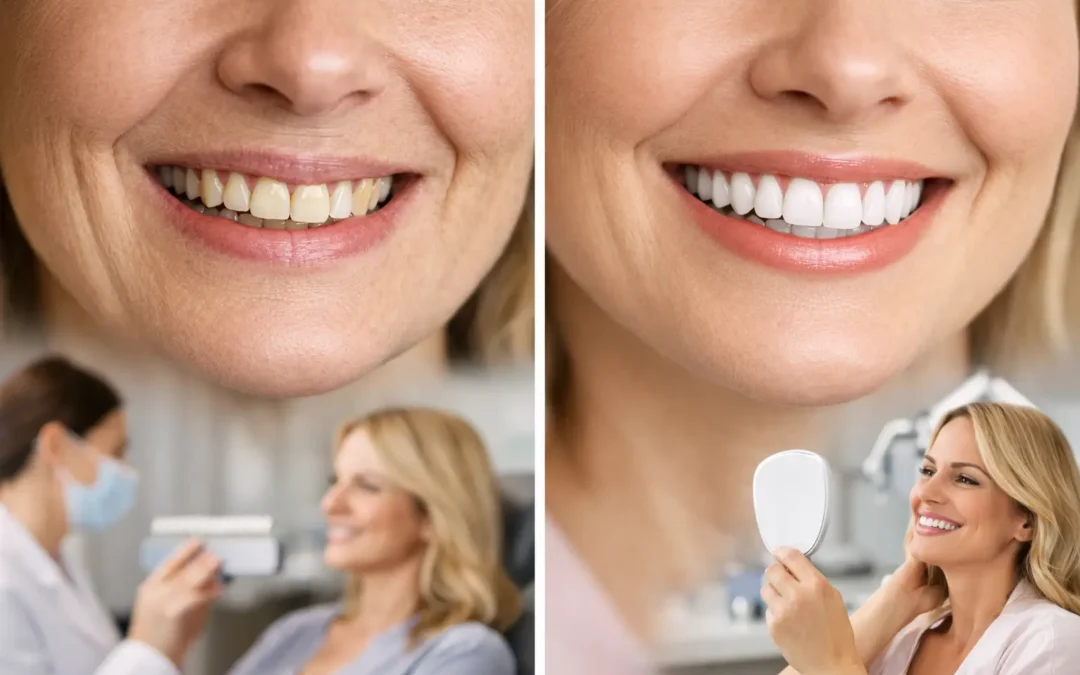
A meaningful smile transformation is rarely about making teeth look unnaturally perfect. A well-planned smile makeover before after case shows how thoughtful dental care can address the details that affect daily confidence: discoloration in photos, worn edges, gaps, missing teeth, uneven gums, or restorations that no longer match.
The most revealing before-and-after results do more than show a brighter smile. They show a patient whose treatment was designed around facial features, bite, oral health, and personal goals. For patients in Doral, Miami Lakes, and the surrounding Miami area, the right approach begins with a conversation about what you want to change and what your smile needs to stay healthy for years to come.
What a Smile Makeover Before After Case Can Show
Before-and-after photos can be helpful because they make cosmetic dentistry feel more tangible. You may see a patient who started with chipped front teeth and finished with smooth, balanced porcelain veneers. Another patient may have replaced a missing tooth with a dental implant, restoring both the appearance of the smile and the ability to chew comfortably.
Still, photos tell only part of the story. Two smiles can appear to have similar concerns while needing very different treatment plans. For example, spaces between teeth may be corrected with Invisalign in one case, while another patient may benefit from veneers because the teeth are also small, worn, or deeply discolored.
A reliable case presentation should help you understand the starting concern, the recommended treatment, and the intended functional benefit. It should not suggest that every patient needs the same procedure or that a cosmetic result can be safely achieved without examining the gums, teeth, and bite.
The “Before” Is About More Than Appearance
The starting point may include stains, old bonding, cracks, uneven tooth shape, crowding, or missing teeth. However, a clinical evaluation also looks for issues that a photograph cannot reveal, such as decay, gum inflammation, weakened enamel, bite pressure, or bone loss around missing teeth.
Addressing these concerns first protects the investment you make in your new smile. Placing veneers over untreated decay or whitening teeth before managing gum disease may lead to avoidable complications and disappointing results. Cosmetic dentistry works best when it is built on a healthy foundation.
The “After” Should Look Like You
The strongest smile makeover results look natural, not copied from someone else. Tooth color, length, translucency, and shape should complement your complexion, lips, facial proportions, and age. A bright smile can be beautiful, but the brightest possible shade is not always the most believable or flattering choice.
Your preferences matter, too. Some patients want a subtle refresh that keeps their natural character. Others want a more dramatic change before a wedding, professional milestone, or major life event. A personalized plan makes room for both goals while maintaining a comfortable, functional bite.
Treatments Often Featured in Smile Makeover Cases
A smile makeover can involve one procedure or a combination of treatments. The best choice depends on the condition of your teeth, the changes you want, your timeline, and your budget.
Teeth whitening is often appropriate for healthy teeth affected by surface or deep stains. It can make a major difference without changing the shape of the teeth. Whitening does not alter the color of crowns, veneers, fillings, or bonding, so it may be completed before new restorations are selected to help create a more consistent shade.
Porcelain veneers can improve the appearance of teeth with chips, stubborn discoloration, minor gaps, irregular shapes, and wear. They are custom-made shells that cover the front surface of selected teeth. Veneers can create a polished result, but they are not automatically the right answer for every cosmetic concern. Depending on your bite and the amount of enamel available, conservative alternatives such as bonding, whitening, or orthodontic treatment may be worth considering.
Dental bonding uses tooth-colored material to repair small chips, reshape edges, and close minor spaces. It is often a more conservative and cost-conscious option, although it may stain or chip more easily than porcelain over time.
Invisalign can gradually straighten teeth and improve spacing or crowding. This may be ideal when tooth position is the main concern. Orthodontic treatment takes longer than a veneer-based transformation, but it preserves natural tooth structure and can improve how teeth fit together.
Dental implants are often central to a makeover when one or more teeth are missing. An implant replaces the tooth root and supports a restoration designed to blend with nearby teeth. For patients missing many teeth, full-arch solutions such as All-on-4 treatment may restore a stable smile and stronger chewing function. The timeline for implant care varies based on bone health, healing, and the complexity of the case.
How a Personalized Smile Makeover Plan Comes Together
A quality consultation should feel collaborative, not rushed. Your dentist should listen to what bothers you about your smile, ask about your health history, and evaluate the condition of your teeth and gums. Digital imaging, photographs, and X-rays may be used to plan treatment accurately and help you visualize potential changes.
From there, the discussion should cover what each option can realistically achieve. This is where important trade-offs become clear. Veneers may produce a faster change in tooth shape and color, while Invisalign can be more conservative for alignment concerns. Implants offer long-term stability for missing teeth, but they require a surgical process and healing period. Whitening can be an excellent first step, but it cannot repair a fractured tooth or replace a worn restoration.
The plan should also account for your budget and timing. Some patients complete treatment in phases, starting with essential health needs or one highly visible area of the smile. Others prefer a comprehensive approach that coordinates whitening, veneers, implants, and bite adjustments together. Neither path is universally better. The right path is the one that supports your health, goals, and ability to maintain the result.
Questions to Ask When Reviewing Before-and-After Results
When you look at smile makeover photos, focus on more than how white the final teeth appear. Ask whether the teeth look proportionate, whether the gumline appears healthy, and whether the result fits the patient’s face. Notice whether old restorations, missing teeth, or uneven edges were addressed in a way that appears balanced rather than overly uniform.
It is also reasonable to ask what treatment was used and how long it took. A transparent conversation helps set expectations. A one-visit bonding case is very different from a multi-month Invisalign or dental implant case, even if both create a noticeable visual improvement.
Most importantly, ask what maintenance will be needed. Veneers, crowns, bonding, and implants are durable, but they still need regular dental visits, daily brushing and flossing, and protection from habits such as nail biting or chewing ice. If you grind your teeth, a nightguard may help protect your new restorations.
A Better Smile Should Also Feel Better
Cosmetic treatment is often described in terms of confidence, and that confidence is real. Patients may smile more freely in meetings, family photos, and social settings when they no longer feel the need to hide their teeth. But the best cases also improve comfort and function, whether that means repairing worn teeth, replacing a missing tooth, or creating a bite that feels more stable.
At United Dental Specialists, a cosmetic consultation is an opportunity to discuss your goals without pressure and understand the options that fit your smile. The focus should always be on care that looks natural, feels comfortable, and respects your long-term oral health.
If a before-and-after case inspires you, use it as a starting point rather than a blueprint. Bring your questions, describe the changes you would like to see, and let a thorough evaluation guide a treatment plan made specifically for you.
by Dr. David Bennett | Jul 29, 2026 | Uncategorized |
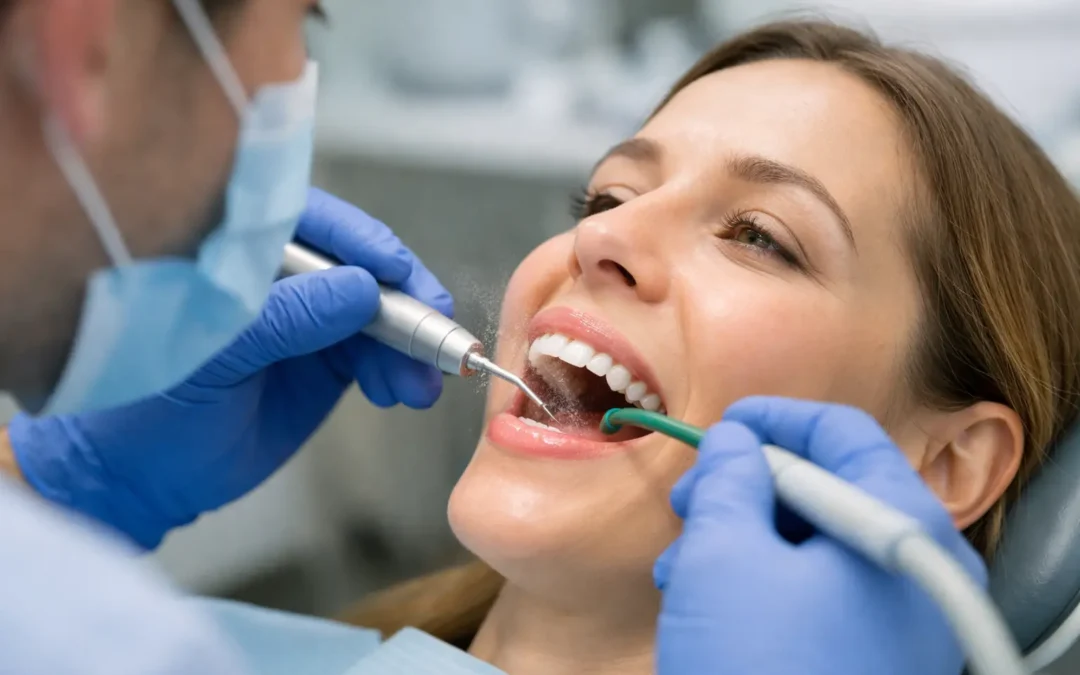
If your dental team has mentioned gum pockets, bleeding gums, or tartar below the gumline, a deep cleaning teeth procedure may be the next step in protecting your smile. This treatment is not simply a more intensive version of a routine cleaning. It is targeted periodontal care designed to remove harmful buildup where a toothbrush and standard cleaning cannot reach.
For many patients, hearing the words “deep cleaning” can raise questions about comfort, cost, and whether treatment is truly necessary. The good news is that a clear exam and personalized treatment plan can make the process straightforward. When gum disease is addressed early, deep cleaning may help preserve your natural teeth, reduce inflammation, and support healthier gums for the long term.
What Is a Deep Cleaning Teeth Procedure?
A deep cleaning teeth procedure, clinically called scaling and root planing, treats plaque and hardened tartar that have collected beneath the gumline. When bacteria remain in this area, they can irritate the gums and cause them to pull away from the teeth. This creates periodontal pockets, which give bacteria even more room to accumulate.
During scaling, your dental professional carefully removes plaque, tartar, and bacterial deposits from the tooth surfaces and below the gums. Root planing then smooths the tooth roots. A smoother root surface makes it harder for bacteria to cling to the teeth and gives the gums a better opportunity to heal and reattach.
Routine cleanings are preventive visits for patients with generally healthy gums. Deep cleaning is recommended when signs of gum disease are present. It is not a cosmetic whitening treatment, and it does not replace daily brushing and flossing. It is a therapeutic procedure focused on stopping or slowing the damage caused by periodontal infection.
When Might You Need Deep Cleaning?
Gum disease often progresses quietly. You may not experience severe pain, even as inflammation and bone loss begin to affect the tissues supporting your teeth. That is why regular exams and periodontal measurements matter.
Your dentist may recommend deep cleaning if your gums bleed easily, look swollen or red, or have started to recede. Persistent bad breath, a bad taste in the mouth, tenderness when chewing, and teeth that feel loose can also be warning signs. During an exam, the team measures the space between each tooth and gum. Deeper pockets, particularly when paired with bleeding or tartar buildup, can indicate that scaling and root planing is appropriate.
X-rays may also show changes in the bone supporting your teeth. A recommendation for deep cleaning does not automatically mean you have advanced gum disease or that you will lose teeth. It means your dentist has identified an issue that needs more than a standard preventive cleaning.
What Happens During the Appointment?
Your treatment begins with a review of your gum health, dental history, and any concerns you have about sensitivity or anxiety. Your dentist or hygienist will explain which areas need treatment and whether your mouth can be treated in one visit or divided into two or more appointments.
Most deep cleanings are performed with local anesthetic to numb the treatment area. You should feel pressure and vibration, but you should not feel sharp pain. If you are nervous, say so before treatment begins. Comfort options and a slower pace can make a meaningful difference.
The clinician uses specialized hand instruments and ultrasonic technology to gently break up and remove tartar from below the gums. The ultrasonic tool uses vibration and water to flush away deposits, while hand instruments allow careful cleaning around root surfaces and in areas that need added precision.
The length of the visit depends on how much of the mouth requires treatment and how much buildup is present. Some patients complete care in one longer appointment, while others have the mouth treated by sections. Dividing treatment can help keep you comfortable and allow the gums time to begin healing.
Does Deep Cleaning Teeth Treatment Hurt?
The experience varies from person to person, but deep cleaning is usually very manageable with proper numbing. Your gums may be tender for a few days afterward, especially if there was significant inflammation before treatment. Mild sensitivity to hot, cold, or pressure can occur as the gums heal and shrink closer to the teeth.
Over-the-counter pain relief may be recommended if it is safe for you to take, and a warm saltwater rinse can soothe irritated gums. Your dental team may also suggest a prescription rinse or other periodontal care based on your specific condition.
Call your dental office if you have worsening pain, swelling, fever, prolonged bleeding, or discomfort that does not improve. These symptoms are not typical and deserve prompt attention.
How to Care for Your Gums After Treatment
The work completed in the dental chair is only part of the process. Your daily habits determine how well your gums heal and how effectively you maintain the results. Brush twice a day with a soft-bristled toothbrush, clean between your teeth daily, and follow any instructions for rinses or specialized products.
For the first day or two, softer foods may feel more comfortable if your gums are sensitive. Avoid tobacco products, which can slow healing and increase the risk of gum disease progressing. If you have diabetes or another condition that affects healing, keeping it well managed is also part of protecting your periodontal health.
Many patients need a follow-up evaluation several weeks after deep cleaning. At that visit, the dental team remeasures your pockets, checks for bleeding, and evaluates how your gums responded. Some patients return to routine six-month cleanings. Others benefit from periodontal maintenance visits every three or four months. The right interval depends on your gum health, home care, and risk factors.
What Results Can You Expect?
A successful deep cleaning can reduce gum inflammation, bleeding, and bad breath while helping periodontal pockets become shallower. Patients often notice that their mouth feels cleaner and their gums feel less tender once healing begins.
The treatment can slow the progression of gum disease, but it cannot always reverse bone loss that has already occurred. If disease is more advanced, additional periodontal treatment may be needed. The earlier you address gum infection, the better the chance of protecting the bone and tissues that keep your teeth stable.
Deep cleaning can also be an important first step before cosmetic or restorative care. Healthy gums create a better foundation for treatments such as veneers, crowns, dental implants, or Invisalign. A beautiful smile should also have the healthy support it needs to last.
Costs, Insurance, and Your Treatment Plan
The cost of scaling and root planing depends on the number of areas treated, the severity of gum disease, and whether follow-up periodontal maintenance is needed. Many dental insurance plans provide some coverage when deep cleaning is medically necessary, although deductibles, annual maximums, and out-of-pocket costs vary.
A trusted dental office should review your findings, explain why treatment is recommended, and discuss fees before care begins. Do not hesitate to ask what the periodontal measurements mean, whether treatment can be phased, and what maintenance will look like afterward. Clear answers help you make a confident decision for your health and budget.
At United Dental Specialists, patients receive personalized care that looks beyond a single appointment. If your gums are bleeding, tender, or overdue for an exam, scheduling a periodontal evaluation can give you a clear picture of what your smile needs. Taking action now can help you keep your natural teeth, feel more comfortable, and move forward with the confidence of a healthier smile.
by Dr. David Bennett | Jul 27, 2026 | Uncategorized |
A denture that slips during lunch, clicks while speaking, or needs adhesive every morning can affect far more than your ability to eat. It can change how freely you smile, socialize, and feel in professional settings. When weighing implant dentures vs traditional dentures, the right choice depends on your oral health, priorities, lifestyle, and the kind of long-term support you want for your smile.
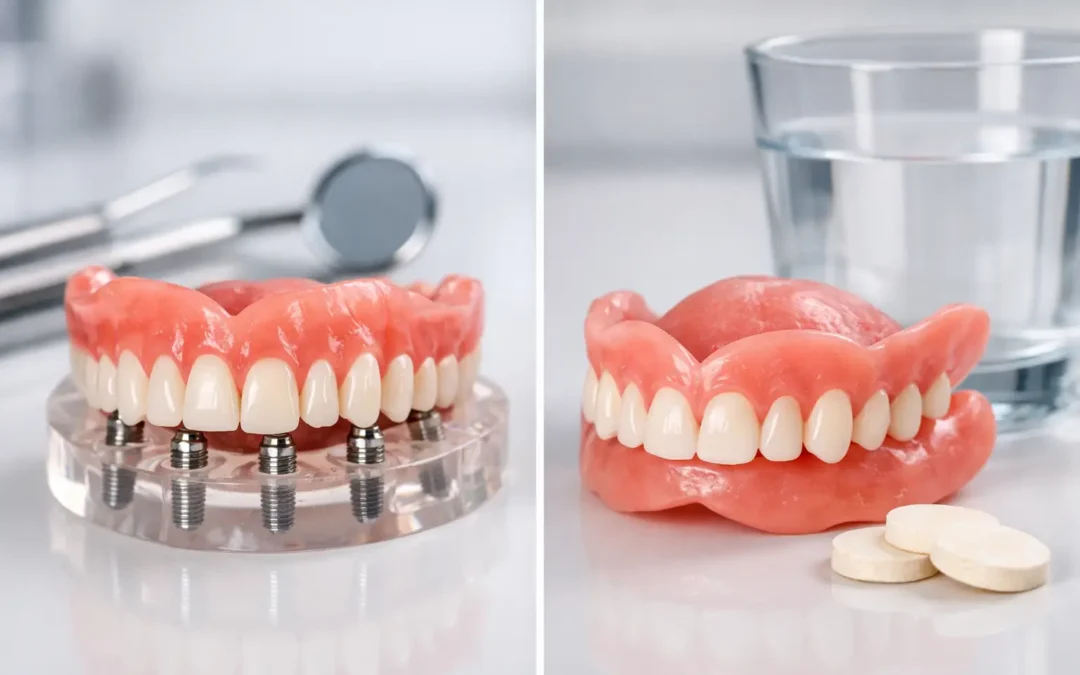
Both options can replace missing teeth and restore appearance. The key difference is how they stay in place. Traditional dentures rest on the gums, while implant dentures are anchored to dental implants placed in the jawbone. That distinction influences comfort, chewing ability, maintenance, treatment time, and cost.
How Traditional Dentures Work
Traditional dentures are removable appliances designed to replace a full arch of missing teeth or several teeth. Full dentures replace all teeth in the upper or lower jaw. Partial dentures fill gaps when healthy natural teeth remain.
A full denture is custom-made to fit over the gums. Upper dentures generally gain extra stability from the natural suction created against the roof of the mouth. Lower dentures sit on the gum ridge and are more likely to shift because the tongue and lower jaw move frequently. Some patients use denture adhesive for a more secure daily fit.
Traditional dentures remain a practical solution for many patients. They usually involve a shorter treatment process and a lower upfront investment than implant-based treatment. They can also be a suitable choice for patients who are not ready for surgery or who need a replacement option while considering future restorative care.
Still, dentures do not stop the jawbone from shrinking after tooth loss. As the bone and gum tissue change over time, a denture may become loose and need adjustment, relining, or replacement. Even a well-made denture can take time to get used to, especially when eating firmer foods or speaking clearly.
What Are Implant Dentures?
Implant dentures use small titanium implant posts placed in the jawbone as secure anchors for replacement teeth. After the implants integrate with the bone, they can support a removable denture that snaps into place or a fixed full-arch restoration that is only removed by a dental professional.
This is not one single treatment. An implant-supported overdenture is removable for cleaning but attaches securely to implants, often using two to six implants depending on the arch and treatment plan. A fixed implant denture, including an All-on-4-style full-arch solution when appropriate, stays in place and is designed to function more like natural teeth.
Because the restoration is supported by implants instead of resting only on the gums, it is typically more stable during eating and speaking. Implants also stimulate the jawbone, which helps preserve bone volume that would otherwise diminish after tooth loss.
Fixed vs. Removable Implant Dentures
A removable implant overdenture can be an excellent middle ground for someone who wants much more security than a conventional denture without choosing a fixed restoration. It can be taken out at home for cleaning, but it stays attached during normal daily activities.
A fixed implant denture offers the closest experience to having a non-removable set of teeth. Patients often appreciate not having to remove the restoration at night. However, it requires careful cleaning around the implants and scheduled professional maintenance to protect the gums and supporting bone.
Neither design is automatically better. The best option comes down to your dexterity, cleaning preferences, bone support, budget, and goals for comfort and appearance.
Implant Dentures vs Traditional Dentures: The Everyday Differences
The daily experience is where many patients notice the largest difference. Traditional dentures can restore a smile effectively, but they may move when chewing sticky foods or speaking with force. Implant dentures are designed to stay more firmly in place, giving many patients greater confidence with meals, conversations, and laughter.
Chewing ability is another important factor. Conventional dentures can make certain foods difficult, particularly nuts, crisp vegetables, steak, and chewy breads. With implant support, biting force and stability are often improved. That can expand food choices and make it easier to maintain a balanced diet. Individual results vary, and a gradual adjustment period is still normal.
Comfort also matters. A traditional denture puts pressure on gum tissue, which can lead to sore spots if the fit changes. Implant dentures transfer more support to the implants, reducing movement and friction on the gums. For lower dentures in particular, that added stability can be life-changing for the right patient.
On the other hand, traditional dentures avoid implant surgery and can usually be completed more quickly. Implant treatment requires planning, healing time, and a commitment to maintaining excellent oral hygiene. Patients with untreated gum disease, uncontrolled medical conditions, or significant bone loss may need additional care before implants can be placed safely.
Cost Should Be Viewed as a Long-Term Decision
Traditional dentures are generally the more affordable option at the start. They are often an appropriate choice when a patient needs to replace teeth promptly or is working within a limited budget. However, they may need periodic relines as the gums and bone change, and they will eventually need replacement.
Implant dentures require a higher initial investment because treatment includes surgery, implant components, custom restorations, and follow-up care. In some cases, bone grafting or extractions are also part of the plan. Yet their stability, longevity, and potential to preserve jawbone can make them a valuable long-term option for many patients.
The most useful question is not simply, “Which costs less?” It is, “Which option gives me the function, comfort, and confidence I need over time?” A personalized consultation can clarify available treatment paths and help you understand how to phase care if needed.
Who May Be a Good Candidate for Implant Dentures?
Many adults with missing teeth can be considered for implants, including people who have worn dentures for years. A dental examination and imaging help determine whether there is sufficient bone and where implants can be placed safely. Even when bone loss has occurred, solutions such as grafting or strategically planned full-arch treatment may be possible.
Good candidates are willing to follow aftercare instructions and keep up with routine dental visits. Implants do not get cavities, but the surrounding gums and bone still need protection. Daily brushing, cleaning beneath or around the restoration as instructed, and professional hygiene visits are essential.
Smoking, active periodontal disease, uncontrolled diabetes, and certain health conditions can affect healing and implant success. These do not always rule out treatment, but they should be discussed openly with the dental team. A responsible plan accounts for your full health history rather than promising the same solution to every patient.
How to Choose the Right Denture Option
Start by thinking about the moments that matter most to you. If you need an efficient, removable tooth-replacement solution with a lower upfront cost, traditional dentures may meet your needs well. If your biggest concern is a loose lower denture, limited food choices, or wanting a restoration that feels more secure, implant dentures may be worth exploring.
It also helps to consider your future goals. A temporary or conventional denture does not prevent you from considering implants later, although earlier planning can sometimes preserve more treatment options. If remaining teeth are failing, a full-arch evaluation can reveal whether saving individual teeth, using a partial denture, or pursuing an implant-supported solution is the healthiest path.
At United Dental Specialists, treatment planning begins with listening to what you want to change about your smile and what will make care realistic for your life. The best denture is not the most advertised option. It is the one that restores your ability to eat, speak, and smile comfortably while supporting your oral health for years ahead.
If missing teeth have made you hold back, a thoughtful consultation can turn an uncertain decision into a clear plan built around your comfort, confidence, and goals.
by Dr. David Bennett | Jul 25, 2026 | Uncategorized |
The sound of a dental drill, a difficult past appointment, or simply the feeling of not being in control can make even a routine visit feel overwhelming. Sedation options for dental anxiety can help patients receive the care they need with a greater sense of calm, whether they are coming in for a cleaning, a filling, emergency treatment, or a more involved procedure such as dental implants.
Dental anxiety is common, and it is not something you need to push through alone. The right approach starts with a conversation about what makes you nervous, your health history, and the treatment you need. From there, your dental team can recommend comfort measures or sedation that support a safe, positive experience.
Why dental anxiety deserves a personalized plan
Anxiety can cause patients to delay treatment until a small concern becomes pain, infection, or a more complex dental problem. It can also make it difficult to sit comfortably during longer appointments. A personalized comfort plan helps remove that barrier while allowing your dentist to focus on protecting your oral health and your smile.
Sedation does not always mean being fully asleep. In fact, most patients remain awake and able to respond during dental sedation. The purpose is to reduce fear, ease physical tension, and help the appointment feel more manageable. The best choice depends on your anxiety level, the length and complexity of treatment, your medical history, and whether you will have a trusted adult available to take you home.
Sedation options for dental anxiety: what to expect
Your dentist will explain the option recommended for you, including how it works, how to prepare, and what recovery may look like. Here are the most common approaches.
Comfort-focused care without medication
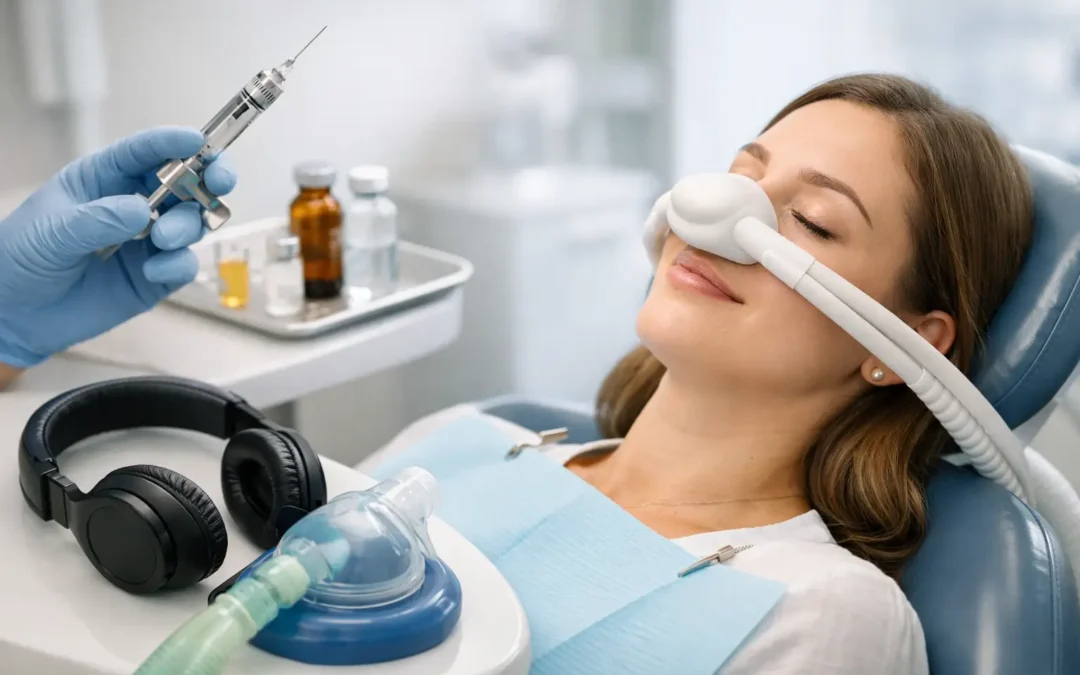
For mild anxiety, a calmer appointment may not require sedating medication. Simple steps can make a meaningful difference: asking questions before treatment begins, agreeing on a hand signal for breaks, listening to music with headphones, or scheduling enough time so you do not feel rushed.
Many patients also feel more at ease when they know what to expect. Your dental team can explain the steps in clear language, check in frequently, and use effective local anesthetic to keep the treatment area numb. This is often the right starting point for patients who are nervous but still feel able to proceed.
Nitrous oxide
Nitrous oxide, often called laughing gas, is a mild inhaled sedative delivered through a small mask placed over the nose. It creates a relaxed, light feeling while you remain awake and able to communicate. It can be a good option for patients with mild to moderate anxiety, a sensitive gag reflex, or discomfort with dental instruments.
One of its main advantages is that the effects wear off quickly after the mask is removed. Many patients can typically return to their normal activities soon afterward, although your dental team will provide specific guidance based on your appointment and health needs. Nitrous oxide may not be the best fit for every patient, especially when certain respiratory conditions or nasal congestion interfere with comfortable breathing through the nose.
Oral conscious sedation
Oral sedation involves taking a prescribed medication before your appointment. It is generally used for patients with moderate anxiety, those having longer procedures, or people who have avoided dental care because fear feels too strong to manage with relaxation techniques alone.
You will remain conscious, but you may feel deeply relaxed and remember little about the appointment afterward. Because oral sedation can cause drowsiness and slow reaction time, you will need a responsible adult to drive you to and from the office. You should also plan to rest for the remainder of the day rather than returning to work, driving, or making important decisions.
The timing and dose matter. Follow your dentist’s instructions carefully, including guidance about eating, drinking, and taking your regular medications. Do not take any sedative medication unless it has been prescribed or approved by the dental provider managing your care.
IV sedation
For significant dental anxiety or more extensive treatment, IV sedation may be recommended. Medication is administered through a vein and adjusted by the qualified provider throughout the procedure. This allows for a deeper level of relaxation than nitrous oxide or oral sedation while still supporting monitored, personalized care.
Patients receiving IV sedation are often very relaxed and may have little memory of the procedure. Continuous monitoring is an essential part of this option. Your dental team will review whether you are a candidate based on your overall health, treatment needs, medications, and medical history. You will need someone to bring you home and stay with you as directed after the appointment.
General anesthesia
General anesthesia is different from the options above because it places a patient into a controlled state of unconsciousness. It is not typically necessary for routine dental treatment, but it may be considered in specific circumstances, such as certain complex surgical procedures, severe treatment limitations, or particular medical and behavioral needs.
This level of anesthesia requires specialized planning, trained professionals, and an appropriate setting. If it is being considered, your dentist will discuss the reasons, the available alternatives, and the safety protocols involved.
Choosing the right level of sedation
There is no single “best” sedation choice for every patient. Someone who feels uneasy during cleanings may do well with reassurance and nitrous oxide. A patient receiving multiple implants, needing emergency treatment after months of avoidance, or facing a long restorative appointment may benefit from a deeper level of sedation.
Your dentist will consider more than anxiety alone. Important factors include your age, weight, medical conditions, allergies, current medications, history of sleep apnea, pregnancy status, and previous experiences with anesthesia. Be candid during your consultation. Sharing this information helps your team recommend the safest and most effective path forward.
It is also helpful to discuss your goals. Are you mainly concerned about needles, pain, gagging, feeling trapped in the chair, or the length of the appointment? Each concern may call for a slightly different solution. For example, excellent local anesthesia addresses pain control, while sedation primarily helps with anxiety and relaxation. Many procedures use both.
How to prepare for a comfortable appointment
Once a sedation plan is selected, preparation is part of keeping your visit safe. Your dental office will give you instructions tailored to the medication and procedure. Follow them closely, even if you have had sedation before.
If you are receiving oral or IV sedation, arrange transportation before the day of treatment. Wear comfortable clothing, avoid alcohol or unapproved medications, and ask in advance whether you should eat or fast. Bring an updated list of medications and supplements, and let the office know if you develop a cold, fever, or any change in your health before the appointment.
After sedation, give yourself permission to recover. Drowsiness, temporary grogginess, and limited recall can be normal depending on the method used. Have a quiet plan for the day, follow post-treatment instructions, and contact your dental office promptly if anything feels unusual or concerning.
Do not let anxiety decide when you get care
Avoiding dental care can feel like short-term relief, but it often gives problems more time to progress. The good news is that anxiety can be addressed with compassion, planning, and appropriate sedation. At United Dental Specialists, patients can discuss their concerns openly and receive care built around their comfort, health needs, and smile goals.
A calm dental experience begins before you sit in the chair. Tell your dental team what has made appointments difficult in the past, ask about the options available for your treatment, and choose a plan that helps you move forward with confidence.

by Dr. David Bennett | Jul 23, 2026 | Uncategorized |
That sharp jolt when you sip iced water, breathe in cool air, or bite into something sweet can make an ordinary moment feel alarming. If you are wondering what causes sudden tooth sensitivity, the answer may be as simple as exposed tooth surfaces, but it can also point to a cavity, a cracked tooth, gum disease, or a problem with an existing restoration.
Sensitivity is common, but a sudden change deserves attention. Your teeth do not become reactive without a reason. Identifying that reason early can relieve discomfort, protect your natural tooth structure, and help you avoid a more involved treatment later.
Why a Tooth Suddenly Becomes Sensitive
A healthy tooth is protected by enamel above the gumline and cementum along the roots. Beneath these protective layers is dentin, a porous layer with tiny channels leading toward the tooth’s nerve. When enamel wears down, a gumline recedes, or a tooth develops damage, hot, cold, sweet, acidic, or even air can reach the dentin more easily. The result is the quick, sharp sensation many patients describe as sensitivity.
The trigger itself is not always the underlying problem. Cold water may reveal sensitivity, for example, but the real cause could be a small cavity, a loose filling, nighttime grinding, or gum recession. The location and pattern of pain give your dentist useful clues.
What Causes Sudden Tooth Sensitivity? Common Reasons
A cavity or early tooth decay
Decay can begin quietly, especially between teeth or around an older filling. As bacteria weaken enamel and move deeper into the tooth, cold drinks, sugary foods, and pressure from chewing may start to hurt. Sensitivity from a cavity may be limited to one tooth and can become more frequent over time.
A prompt exam can often catch decay before it reaches the nerve. Depending on its size, treatment may be as straightforward as a tooth-colored filling. Waiting until pain becomes constant can allow the infection or inflammation to progress.
A cracked tooth or worn restoration
A small crack is not always visible in the mirror, and it may not cause pain every day. You may feel a sudden sting when biting down or, in some cases, when releasing your bite. Hard foods, teeth grinding, clenching, and older fillings can all place stress on a tooth.
Fillings, crowns, and veneers are designed to restore and protect teeth, but they can eventually wear, chip, or develop gaps around their edges. When that seal is compromised, temperature changes and bacteria can affect the tooth beneath. A dental evaluation can determine whether a restoration needs adjustment, repair, or replacement.
Gum recession and exposed roots
If your gums have pulled back from the teeth, root surfaces may be exposed. Roots do not have the thick enamel protection found on the visible portion of a tooth, so they can be especially sensitive to cold, brushing, and sweet foods.
Gum recession can be related to gum disease, brushing too aggressively, naturally thin gum tissue, or long-term clenching. It does not always look dramatic. A dentist can measure gum levels, check for inflammation, and recommend a plan that addresses both comfort and the health of the supporting tissues.
Brushing habits and enamel erosion
Brushing harder is not the same as brushing better. A firm toothbrush, heavy pressure, or abrasive whitening toothpaste can gradually wear at the gumline and irritate exposed dentin. If sensitivity appeared after changing your toothbrush or toothpaste, that connection is worth mentioning at your appointment.
Frequent acidic foods and drinks can also soften enamel. Citrus, sports drinks, soda, wine, and reflux from the stomach can all contribute. This does not mean you must eliminate every acidic food. It means protecting your teeth with moderation, water after acidic drinks, and a gentle brushing routine. Brushing immediately after an acidic drink may increase wear because enamel is temporarily softer.
Teeth grinding or clenching
Many adults clench their teeth during stressful workdays or grind while sleeping without realizing it. The constant pressure can create tiny fractures, flatten chewing surfaces, strain the jaw, and make teeth more responsive to temperature.
You may also notice morning jaw soreness, headaches, or teeth that feel tender when chewing. A custom nightguard can protect teeth from further wear when grinding is the cause, although the right solution depends on your bite, symptoms, and the condition of the teeth.
Recent dental treatment or whitening
It is normal for teeth to be temporarily sensitive after some dental procedures, including fillings, crowns, deep cleanings, and professional whitening. The sensitivity should generally improve rather than intensify.
Whitening sensitivity is often temporary, but it should not be ignored if it is severe or lasts beyond the expected period. A dentist can recommend a gentler approach, adjust the whitening schedule, or check for a separate issue such as a crack or cavity. Cosmetic treatment should improve your confidence without leaving you in unnecessary discomfort.
Sinus pressure or a non-dental source
Upper back teeth sit close to the sinus cavities. During a sinus infection, allergies, or congestion, pressure can sometimes make several upper teeth feel sore or sensitive. This discomfort often changes when you bend forward and usually affects more than one tooth.
Still, do not assume sinus pressure is the explanation if pain is isolated, persistent, or triggered by chewing. Dental pain can mimic other conditions, and an exam is the clearest way to identify the source.
How to Tell If Sensitivity Needs Prompt Care
Brief sensitivity that occurs only with cold food may respond to a sensitivity toothpaste and gentler brushing. But sudden sensitivity is not something to self-diagnose for weeks, particularly when it is focused on one tooth.
Contact a dentist promptly if discomfort lasts after the trigger is gone, worsens over several days, wakes you from sleep, or makes it difficult to chew. Swelling, fever, a bad taste in the mouth, facial tenderness, or a pimple-like bump on the gums may signal an infection and should be treated urgently.
A chipped or broken tooth, a lost filling or crown, and pain after an injury also warrant timely care. These problems can expose vulnerable tooth structure and become more painful if left unprotected.
What You Can Do Before Your Dental Visit
Until you are seen, choose room-temperature foods and drinks if heat or cold causes pain. Use a soft-bristled toothbrush with light pressure, and consider a toothpaste formulated for sensitive teeth. Avoid whitening products and very acidic foods or beverages until you know why the tooth is reacting.
Over-the-counter pain medication may help when used exactly as directed on the label and when safe for you. Do not place aspirin or other medication directly on the gum or tooth. It can irritate oral tissue and does not treat the cause of the pain.
Try to notice what sets off the sensitivity. Is it cold, heat, sweets, biting pressure, or brushing? Does it involve one tooth or a broader area? Those details help your dental team evaluate the problem efficiently.
Treatment Depends on the Cause
There is no single treatment for sensitive teeth because the cause matters. A cavity may need a filling, while a damaged crown may need repair or replacement. Gum-related sensitivity may improve with periodontal care, desensitizing treatments, or changes to brushing habits. If the tooth’s nerve is badly inflamed or infected, root canal treatment may be recommended to preserve the tooth and relieve pain.
At United Dental Specialists, your care begins with a focused evaluation of your symptoms, teeth, gums, bite, and existing dental work. Modern diagnostic tools and a personalized treatment plan help address the source of discomfort, not simply cover it up.
Sudden tooth sensitivity is your smile asking for attention. Scheduling an evaluation while the pain is new gives you the best opportunity to restore comfort, protect your teeth, and get back to enjoying the foods and drinks you love with confidence.
by Dr. David Bennett | Jul 21, 2026 | Uncategorized |
A brighter smile can change how you feel in photos, meetings, and everyday conversations. But the best cosmetic dental procedures are not the same for every patient. The right option depends on what you would like to improve, the health of your teeth and gums, your timeline, and how long you want your results to last.
Cosmetic dentistry should never be about creating a one-size-fits-all smile. A thoughtful plan starts with listening to your goals, examining your oral health, and choosing treatments that look natural while supporting comfortable, lasting function.
How to Choose the Best Cosmetic Dental Procedures
It helps to start with the concern that bothers you most. Surface stains, for example, may respond beautifully to professional whitening. Crooked teeth may be better addressed with Invisalign. Chipped, worn, or uneven teeth may need bonding or porcelain veneers. When missing teeth are affecting your smile and bite, dental implants can restore both appearance and function.
Your dentist will also consider factors that are easy to overlook at home. Existing fillings or crowns do not whiten like natural enamel. Gum inflammation may need treatment before cosmetic work begins. Teeth grinding can affect the lifespan of veneers, bonding, and restorations unless it is managed with a protective nightguard.
The goal is not simply whiter or straighter teeth. It is a healthy smile that fits your face, feels comfortable, and gives you confidence to use it.
Professional Teeth Whitening for Noticeable Brightness
Professional teeth whitening is often the most direct choice for patients whose teeth are healthy but look dull or stained. Coffee, tea, red wine, tobacco, aging, and certain medications can all deepen tooth color over time. Professional treatment uses carefully selected whitening products and a supervised process to brighten natural enamel more predictably than store-bought options.
This treatment can be an excellent first step before a special event, a job change, or a cosmetic makeover. It is also conservative because it does not require removing tooth structure.
Whitening does have limits. It will not change the color of crowns, veneers, fillings, or bonding. Some patients also experience temporary sensitivity. If you have several visible restorations, your dentist may recommend whitening first, then matching new cosmetic work to your improved shade.
Best for
Professional whitening is ideal for healthy teeth with yellowing or surface stains, especially when you want a noticeable improvement without changing tooth shape or alignment.
Porcelain Veneers for Shape, Color, and Symmetry
Porcelain veneers are thin, custom-made shells placed over the front of teeth. They can improve the appearance of chips, discoloration that does not respond to whitening, small gaps, uneven edges, and teeth that appear short or misshapen.
For many patients, veneers create the most dramatic cosmetic change because they address several concerns at once. The porcelain is designed to reflect light much like natural enamel, allowing your dentist to create a polished result that still looks believable and balanced.
Veneers are a long-term investment, not a quick fix. Preparing teeth for veneers may involve removing a small amount of enamel, and the treatment is generally irreversible. They also require consistent brushing, flossing, and regular dental care. Patients who clench or grind their teeth may need a nightguard to protect their investment.
Best for
Veneers work well for patients seeking a comprehensive smile enhancement when tooth color, shape, spacing, or minor wear are all concerns.
Dental Bonding for Small, Targeted Improvements
Dental bonding uses tooth-colored composite resin to repair or reshape a tooth. It is commonly used to smooth a chipped edge, close a small gap, lengthen a worn tooth, or conceal minor discoloration. Because bonding can often be completed with little to no enamel removal, it is one of the more conservative cosmetic options.
Bonding is typically more affordable upfront than veneers, making it appealing for patients who want a focused improvement. The trade-off is durability. Composite resin can stain, chip, or wear sooner than porcelain, particularly for patients who bite their nails, chew ice, or grind their teeth.
With good care, bonding can still provide a natural, meaningful enhancement. It is especially useful when one or two teeth need attention rather than a full smile transformation.
Invisalign for a Straighter, More Comfortable Smile
Crowded teeth, gaps, and mild to moderate bite concerns can affect more than appearance. When teeth overlap or sit out of position, they can be harder to clean and may wear unevenly over time. Invisalign uses a series of clear, removable aligners to gradually move teeth into a healthier, more balanced position.
Many adults prefer clear aligners because they are discreet and can be removed for meals and brushing. That convenience comes with responsibility. Aligners must be worn as directed, often about 20 to 22 hours daily, to keep treatment on schedule.
Invisalign may be the better cosmetic choice when your main concern is alignment rather than tooth color or shape. Some patients choose whitening or bonding after orthodontic treatment to put the finishing touches on their smile.
Best for
Clear aligner treatment is a strong option for adults and teens who want to improve spacing, crowding, or alignment without the appearance of traditional braces.
Dental Implants for Missing Teeth
A missing tooth can make you feel self-conscious, but the effects can go beyond your smile. Nearby teeth may shift, chewing can become less comfortable, and bone in the jaw can gradually diminish after tooth loss. Dental implants replace the root of a missing tooth with a stable post that supports a custom crown, bridge, or full-arch restoration.
From a cosmetic perspective, implants can restore the appearance of a complete, natural-looking smile. From a functional perspective, they can help you eat and speak with more confidence. Unlike a removable option, an implant restoration stays securely in place and is designed to blend with surrounding teeth.
Implant treatment requires careful planning and sufficient bone support. Healing time and treatment timelines vary, and some patients may need preparatory care before implant placement. For patients missing most or all teeth, All-on-4 dental implants may offer a fixed full-arch solution using a strategic implant design.
Gum Contouring When the Gumline Is the Concern
Sometimes teeth look short or uneven because of the gumline, not the teeth themselves. Gum contouring gently reshapes excess gum tissue to create more balanced proportions. It may be used on its own or paired with veneers, crowns, or whitening as part of a broader cosmetic plan.
The right candidate has healthy gums and a stable periodontal foundation. Your dentist will first determine whether the appearance of a gummy smile is related to gum tissue, tooth position, lip movement, or another underlying factor. Treating the cause matters as much as improving the look.
Combining Treatments for a Personalized Result
The most successful smile makeovers often combine treatments in the right sequence. Whitening may come before veneers or bonding so new materials can be matched to your preferred shade. Invisalign may come first to place teeth in a better position before cosmetic reshaping. Implants may be planned before final veneers or crowns so the entire smile is balanced.
This is why an in-person cosmetic consultation is valuable. Rather than choosing a procedure from photos alone, you can discuss what you like about your smile, what you would change, and what fits your schedule and budget. At United Dental Specialists, treatment planning is built around those conversations, with modern options that support both smile aesthetics and long-term oral health.
Caring for Cosmetic Dental Work
Cosmetic results last longer when daily habits support them. Brush twice daily with a soft-bristled toothbrush, floss consistently, and keep regular dental appointments. If you have veneers, bonding, or crowns, avoid using teeth to open packages and limit habits that can chip restorations.
Coffee and red wine can still stain natural enamel and composite bonding. A straw, rinsing with water after dark beverages, and periodic professional cleanings can help maintain brightness. If you grind your teeth or wake with jaw soreness, ask about a custom nightguard before damage becomes visible.
A smile you love should also be a smile you can maintain comfortably. Schedule a cosmetic consultation to talk through your goals, see which treatment fits your needs, and take a confident next step toward the healthy, natural-looking result you want.

Recent Comments